I grew up in a working-class family where every unexpected expense mattered. So when a candidate tells me they paid for a flight, hotel, parking, or mileage to get to an interview and now they are wondering, “Is it okay to ask for reimbursement?”, my answer is usually yes. If the company invited you to travel, it's reasonable to ask about their reimbursement process and submit receipts the right way.
The key is simple: keep it factual, organized, and easy for the recruiter or HR team to forward to whoever processes expenses.

Before you book
If you have time to ask before you spend money, do it. In recruiting, I saw reimbursement handled very differently depending on company size, budget, and industry. Some employers reimburse automatically. Others only reimburse with pre-approval. Smaller companies and nonprofits may have tighter rules.
A simple, practical question works: “What travel expenses are covered for this onsite, and is there a cap or preferred booking method?”
Quick coverage checklist
- What is covered: airfare or train, mileage, hotel, rideshare, parking, tolls, meals
- Limits: economy only, hotel nightly cap, meal per diem, number of nights
- Booking rules: do they want you to book it, or will they book it
- Pre-approval: do upgrades, last-minute fares, or extra nights need approval
- How to submit: email, expense portal, or a form
When it is appropriate to ask
In corporate recruiting, I saw travel reimbursement handled a few different ways. Sometimes it was offered upfront. Other times it was assumed but not spelled out. And occasionally, it was only covered if you asked.
It is generally appropriate to request reimbursement when:
- The employer asked you to travel for an onsite interview, panel, skills assessment, or second round.
- You reasonably assumed reimbursement based on industry norms, the seniority of the role, or past communication, but you never received the details.
- A recruiter or hiring manager verbally confirmed “we can expense that” or “we reimburse travel,” even if you do not have it in writing.
- You were given instructions to book travel yourself (for speed, loyalty points, or flexibility) and submit expenses afterward.
It is still possible to ask even if none of the above happened, but in that case you will want to phrase it as a question about policy and process, not a demand.
When to pause
There are a few situations where I recommend you slow down, gather info, and choose your wording carefully:
- You chose to travel when a remote interview option was available and the company did not ask you to come in person.
- You upgraded (business class, premium hotel, luxury rental) without explicit approval.
- You want relocation or long-term moving assistance. That is a separate conversation that typically happens after an offer.
- You need to change the interview date or time. That is a separate rescheduling email.
If you are unsure, you can send a short, neutral note asking what their reimbursement process is. (I include a sample below.)
Best timing
Timing matters because you want your note to land when the recruiter is still actively coordinating your candidacy.
- Ideal: Within 24 to 72 hours after you return home, once you have all receipts organized.
- Also fine: Immediately after the interview if you were told to send receipts “right away.”
- If it has been longer: Send it anyway. Keep it calm and administrative: you are closing the loop and providing documentation.
If you are sending a thank-you email, keep the thank-you separate. A reimbursement request is an operations message. Combining them can make your gratitude feel transactional, even if that is not your intent.
What to include
Think of your email like a mini expense report. Your goal is to answer the questions the finance or HR team will ask, without creating a back-and-forth thread.
Include these details
- Your full name and the role title you interviewed for
- Interview date(s) and interview location
- Trip dates (departure and return)
- Expense list with amounts and categories
- Total amount requested
- Receipts attached as PDF or clear images
- Preferred reimbursement method if they asked (mailing address for a check, or ask if they reimburse via ACH)
One privacy note: do not email bank account details unless the employer directs you to a secure method or portal.
Common expense categories
- Airfare or train ticket
- Mileage if you drove (often reimbursed at the company’s per-mile rate)
- Hotel (if an overnight stay was necessary)
- Rideshare, taxi, public transit
- Parking and tolls
- Reasonable meals during travel (not always covered, but sometimes)
If you are not sure what they cover, list what you paid and let them decide what is eligible.
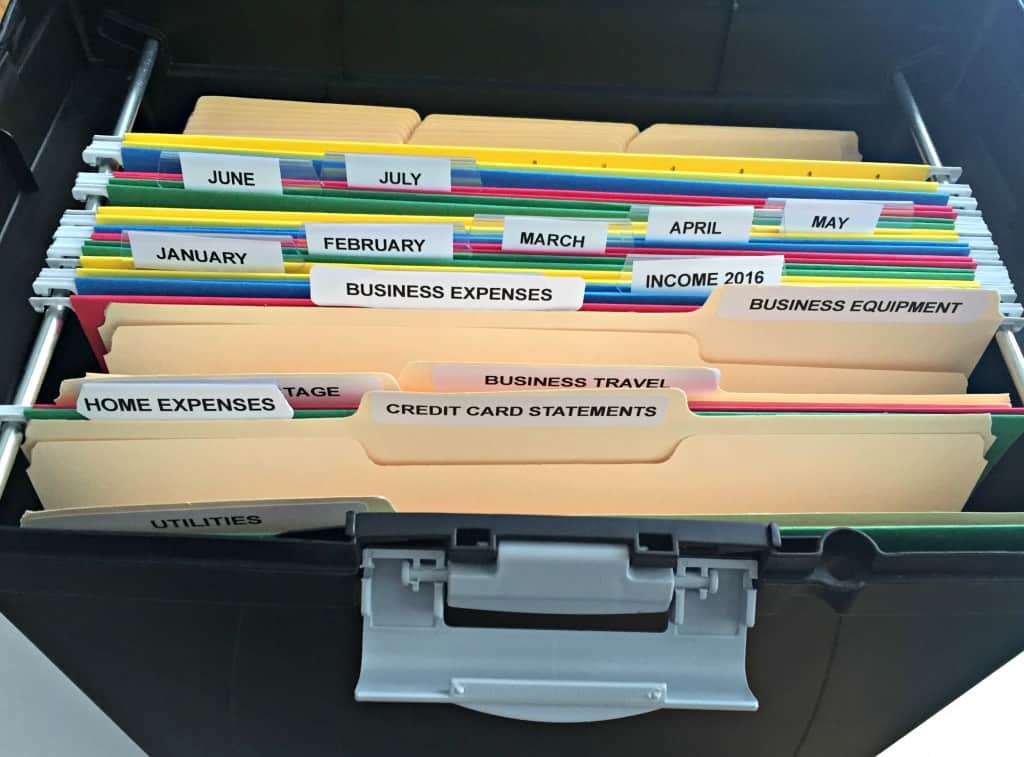
Receipts and attachments
Recruiters are juggling a lot. Make your documentation easy to forward.
- Combine receipts into one PDF if you can. If not, attach a few clearly labeled files.
- Name files clearly (for example: “JordanCaldwell_InterviewTravelReceipts.pdf”).
- Make sure totals are visible. For airfare, include the itinerary page that shows cost and proof of payment.
- Avoid sending 20 blurry photos. If you only have photos, use a scanning app and crop them so the full receipt is readable.
If any receipt is missing, say so upfront and include the best backup you have (a credit card transaction screenshot is not always accepted, but it can help them understand the charge while you request a duplicate receipt).
Who to email
In most companies, the recruiter coordinates travel reimbursement, even if they do not personally approve it.
- Best first choice: the recruiter or HR contact who scheduled the interview
- If travel was arranged by an assistant or coordinator: email that person, and copy the recruiter
- If you were told to submit expenses to a specific inbox or portal: follow those instructions and copy the recruiter for visibility
Subject line ideas
- Interview travel reimbursement request, Jordan Caldwell
- Receipts for interview travel (Senior Data Analyst), Jordan Caldwell
- Expense submission: interview travel on May 14, Jordan Caldwell
Email example: after you traveled
Use this when the travel is complete and you are ready to submit everything.
Subject: Interview travel reimbursement request, Jordan Caldwell
Hi Maya,
Thank you again for coordinating my onsite interview for the Senior Data Analyst position on May 14, 2026 in Chicago. I am following up to submit my interview travel expenses for reimbursement and confirm the appropriate process.
Trip details
Interview date: May 14, 2026
Travel dates: May 13, 2026 to May 14, 2026
Route: Columbus, OH to Chicago, ILExpenses
Airfare: $286.40
Hotel (1 night): $179.22
Ground transportation (rideshare and CTA): $48.15
Parking: $14.00
Total: $527.77I attached the receipts as one PDF for review. Please let me know if you need any additional documentation or if there is a specific form I should complete.
Thanks so much,
Jordan Caldwell
614-555-0184
Email example: ask the policy
Use this when you traveled, but you are not sure if reimbursement is offered or how it works.
Subject: Question on interview travel reimbursement process
Hi Maya,
I hope you are doing well. Can you confirm the process for interview travel reimbursement for my onsite interview for the Senior Data Analyst position on May 14, 2026?
I paid for airfare and local transportation and can send receipts and a simple expense summary. Is there a preferred format or form, and should I submit to you or to a different contact?
Thank you,
Jordan Caldwell
614-555-0184
Email example: it was confirmed
Use this when you have a clear verbal or written expectation that the company reimburses, and you simply need to close the loop.
Subject: Receipts for interview travel, Jordan Caldwell
Hi Maya,
As discussed, I am sending my receipts for interview travel related to my onsite visit for the Senior Data Analyst position on May 14, 2026.
Total expenses: $527.77. Receipts are attached, along with a brief expense summary in the email below.
Please let me know if you would like me to complete any internal form or provide additional details.
Thank you,
Jordan Caldwell
Follow up if you hear nothing
Reimbursements can take time, especially if the recruiter has to route your email to finance or accounts payable. If you have not heard back in about 7 to 10 business days, a simple follow-up is fair.
Subject: Follow-up: interview travel reimbursement, Jordan Caldwell
Hi Maya,
Just following up on my interview travel reimbursement submission for the Senior Data Analyst onsite on May 14, 2026. I sent the expense summary and receipts on May 16.
Can you confirm you received everything, and let me know what the expected timeline is for processing?
Thank you,
Jordan Caldwell
If they do not reimburse
This happens. If it does, focus on clarity and professionalism. You are gathering information that affects your decision-making, not arguing.
How to respond
- Confirm the policy in writing so you are not guessing later.
- Ask if any portion is reimbursable (some companies cover mileage or parking but not hotels, for example).
- Decide what it means for you financially and strategically. For some candidates, it is a deal-breaker. For others, it is a one-time cost they can absorb.
Here is a simple reply:
Thanks for clarifying. Just to confirm, interview travel expenses are not reimbursed for this role. I appreciate the information.
If your costs were higher
If your costs ran high, do not panic. Be prepared to explain the facts briefly and avoid emotional language.
- If prices were elevated due to timing, say so plainly: “I booked as soon as I received the onsite invitation, and the lowest available flight that arrived in time for the interview was $286.40.”
- If you had to stay overnight because of interview timing, connect it to the schedule: “Because the interview began at 8:00 a.m., I traveled the night before.”
- If you accidentally booked something nonrefundable or higher-tier, do not over-explain. Ask what is eligible and accept a partial reimbursement if needed.
Quick checklist
- Receipts are legible and attached
- Your expense list matches the receipts
- You included the interview date, role title, and location
- You used a neutral, administrative tone
- You are not mixing in relocation requests or interview rescheduling
FAQ
Should I ask the hiring manager directly?
Usually no, especially at larger companies. Send reimbursement questions to the recruiter, coordinator, or HR contact unless the company instructed you otherwise. Hiring managers often are not involved in expense processing.
Is it okay to ask if I have not received an offer yet?
Yes. Interview travel reimbursement is separate from an offer decision. Keep the message operational and focused on documentation.
What if it has been weeks since the interview?
Still ask. In your email, keep it simple: reference the interview date, provide the expense summary, attach receipts, and ask about next steps for reimbursement.
Can I include meals?
You can include them in your list, but understand that meal reimbursement varies widely. If you are unsure, include the receipts and let the employer confirm what is eligible.
Should I mention financial hardship?
In most cases, no. You do not need to justify why reimbursement matters. A clear, professional request with receipts is enough.