Getting a job rejection email can feel like the air leaving the room, especially if you made it past multiple interviews or you really needed the stability that role promised. I grew up in a working-class family where each application felt high stakes, and later, as a university admissions counselor and then a corporate recruiter, I saw both sides of this moment.
The good news is you do not need a long response. A short, calm reply is enough to protect your professional brand, keep connections warm, and help you move forward with your head up.

Do you need to reply?
Not always. Replying is optional, and in many cases the rejection email is a no-reply message where you cannot respond anyway.
Reply when it makes sense
- You interviewed (phone screen, panel, final round). If a human invested time with you, a brief thank-you reply is professional.
- You had a real point of contact, like a recruiter or hiring manager who emailed you directly.
- You genuinely want to be considered later and the company hires frequently for similar roles.
- You are in a small industry where relationships carry over from one employer to the next.
- You worked with an agency recruiter you might partner with again. A quick reply keeps that relationship smooth.
Skip it when it is unnecessary
- It is an automated rejection from an applicant tracking system, especially with a “do not reply” sender.
- You never spoke to anyone and you were screened out quickly after applying.
- The process was disrespectful (ghosting, major bait-and-switch, or inappropriate behavior). You do not owe anyone emotional labor. If you reply at all, keep it extremely neutral.
If you are unsure, my rule of thumb is simple: if a real person wrote it, a short reply is usually worth it.
What to say
A good rejection reply is short and steady. You are aiming for professional closure, not a second interview.
1) Thank them
Thank them for their time, the interview, or the chance to learn about the team. Keep it sincere and specific.
2) Leave the door open
Signal that you would welcome being considered for future openings. In my experience, recruiters often remember candidates who handle rejection gracefully, especially when a similar role opens up a few months later.
3) End on a positive note
Wish them well and keep the tone warm. That is it.
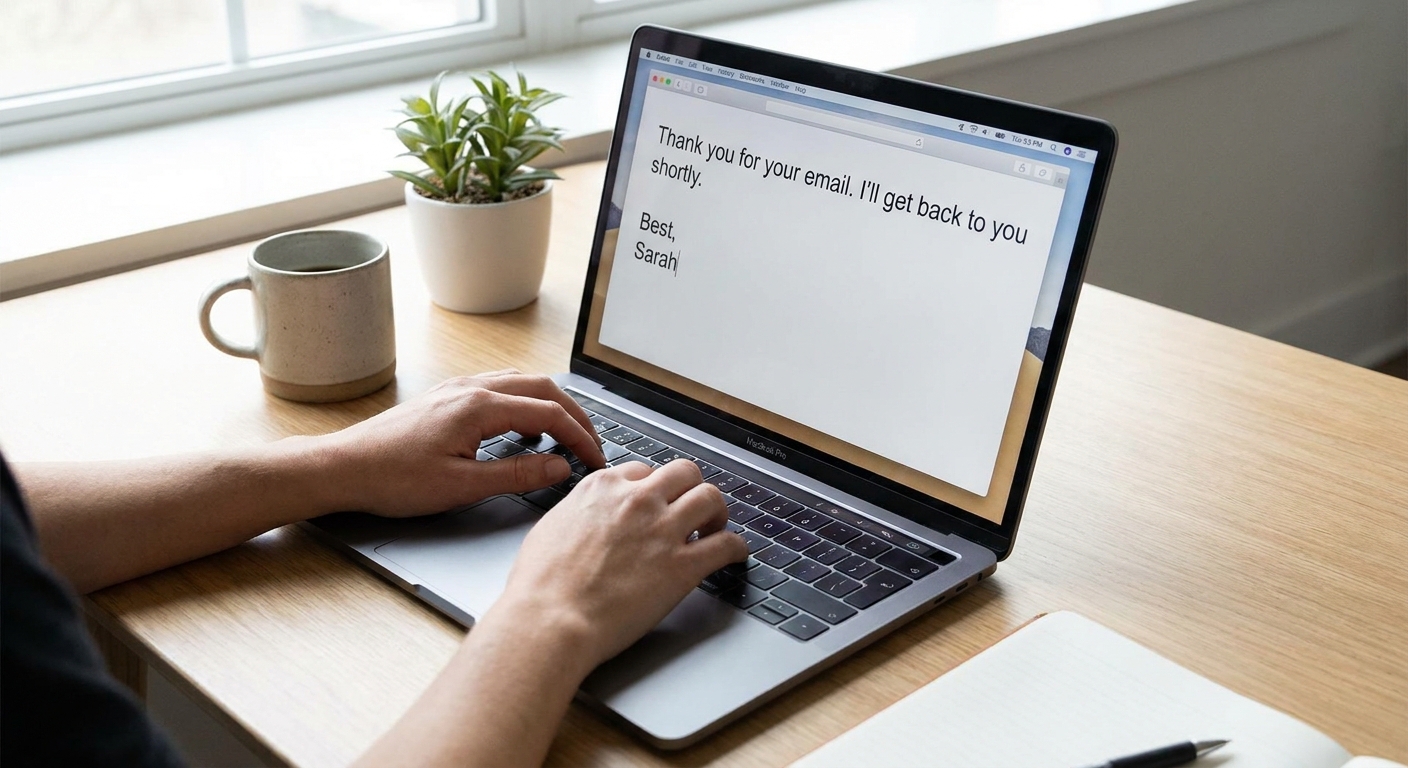
What not to do
I have hired for nursing roles and remote tech positions, and I can tell you the fastest way to burn a bridge is to argue the decision in writing. Your email could be forwarded, saved, or added to notes somewhere internally.
- Do not ask them to reconsider. It puts the recipient in an awkward position and rarely changes the outcome.
- Do not restart your pitch. A rejection reply is not the place for additional achievements, links, or a second cover letter.
- Do not demand detailed feedback. Some employers will not share it due to policy, legal concerns, or time constraints. Others may share a limited, general note.
- Do not vent or guilt-trip. Even if your frustration is valid, email is not the place to process it.
- Do not over-apologize. You did not do anything wrong by applying or interviewing.
- Do not ask why you were rejected versus another candidate. That comparison puts the recipient on the defensive and you almost never get a useful answer.
When to send it
A good target is sending your reply within 24 to 48 hours if you plan to respond. In most cases, keeping it to 3 to 6 sentences is a solid rule of thumb.
Also, match the level of formality you received. If the recruiter wrote a warm, personal note, you can be warm in return. If it is short and formal, keep yours short and formal.
If you are at the offer stage (for example, you interviewed, references were checked, or you received a verbal offer), it is still fine to keep your reply brief, but you can acknowledge the extra time invested on both sides.
And yes, norms vary by industry and country. If you are in a relationship-driven field, or you know your local professional culture expects a reply, err on the side of a short thank-you.
Subject line and format
- Keep the subject line simple. Usually replying in the same thread is best. If you need a new subject line, use: “Thank you” or “Thank you for the update”.
- Use a greeting and sign-off. “Hi Sarah,” and “Best regards,” are perfectly professional.
- Double-check names and the role title. This is where nervous copy-paste mistakes happen.
- Avoid attachments. If they rejected you, they have your resume. This is a relationship email, not an application email.
- Reply vs reply all. If the rejection came from one person, reply directly to them. If you were on a group thread, consider replying only to the recruiter or hiring manager unless they explicitly included others for a reason.
Examples to copy
Use these as-is, or swap in your own details for the name, job title, and company.
Example 1: Simple and professional
Subject: Re: Marketing Manager
Hi Sarah,
Thank you for letting me know, and for the time you and the team spent with me during the interview process. While I am disappointed, I appreciated learning more about the role and Brightwell Media. If a position opens up that is a better match in the future, I would welcome the chance to be considered.
Best regards,
Maya Caldwell
Example 2: After a final round
Subject: Re: Senior Analyst
Hi Daniel,
Thank you for the update and for the opportunity to meet the panel last week. I enjoyed our conversation and appreciated the transparency about what the team needs right now. Please keep me in mind for future openings, and I wish you all the best as you move forward.
Sincerely,
Jordan Lee
Example 3: Stay connected
Subject: Thank you
Hi Priya,
Thank you for getting back to me. I appreciate the chance to interview and learn more about your team at Northgate Health. I would be glad to stay in touch, and I hope our paths cross again.
Best,
Alex Morgan
Example 4: Neutral reply
Subject: Re: Customer Support Specialist
Hello Chris,
Thank you for the update. I appreciate your time and consideration.
Regards,
Taylor Nguyen
Example 5: Interested in another role
Subject: Re: Project Coordinator
Hi Renee,
Thank you for the update and for the time you and the team spent with me. I am still very interested in working at Arbordale, and I would welcome consideration for other openings that align with my background in scheduling, vendor coordination, and client support. If there is another role you think could be a fit, I would be glad to apply.
Best regards,
Sam Patel

Should you ask for feedback?
Sometimes, but it is optional, and it depends on the relationship and the stage.
- If you had multiple interviews and built rapport with the recruiter or hiring manager, a brief feedback request can be appropriate.
- If it was an early rejection or an automated email, asking usually will not get a response.
If you do ask, keep it light and easy to decline. I have found it works best after later-stage interviews, when the team has enough context to offer a general note.
Feedback add-on
“If you have any general feedback you can share for my future interviews, I would appreciate it, but I understand if you are not able to.”
Example: Full feedback request
Subject: Thank you for the update
Hi Monica,
Thank you for letting me know, and for the time you and the team spent with me throughout the process. I appreciated the chance to learn more about the role and how your team works. If you are able to share any general feedback on where I could improve for future interviews, I would value it, but I understand if company policy does not allow it. Either way, I appreciate your consideration and hope our paths cross again.
Best regards,
Devon Reyes
A mindset shift
In recruiting, I rejected qualified people all the time for reasons that had nothing to do with their talent: an internal candidate, a budget change, a niche tool requirement, a team reorg, or simply someone who matched the hiring manager’s exact preferences.
Your reply is not about convincing them you are worthy. It is about showing you are steady and professional, even when it is not the answer you wanted. That is the version of you they remember later.
FAQ
Is it unprofessional not to reply?
No. It is optional. If you never interviewed or it is an automated message, skipping the reply is completely normal.
Can replying help later?
It can. A courteous reply keeps the relationship warm, especially with recruiters who fill multiple roles over time.
Should I connect on LinkedIn?
If you had a positive interview experience, yes. Keep it brief, and treat it like a professional business card exchange: thank them for the conversation and say you would like to stay in touch. Avoid sending a long message, and do not ask for a referral right away.
What if it feels unfair?
You can feel that and still avoid debating it in email. If something inappropriate happened, you can consider reporting it to HR or the company’s careers contact, but separate that from a rejection reply.