Turning down an interview can feel surprisingly stressful, even when you know it is the right call. I grew up in a working-class family where every opportunity felt precious, so saying “no” used to come with a side of guilt. But after years in university admissions and corporate recruiting, I can tell you this: declining an interview professionally is normal, and it is often appreciated. It saves everyone time and leaves the relationship intact.
The goal is simple: respond quickly, say thank you, give a brief reason (without oversharing), and clearly state whether you would like to be considered for future roles.

What to include
You do not need a long explanation. A respectful, clear message is the most professional approach.
- A clear subject line that matches their invite thread
- Gratitude for the opportunity and their time
- A brief reason (optional but helpful), stated neutrally
- A direct decline of the interview
- A future-facing line (either “please keep me in mind” or “I am withdrawing from consideration”)
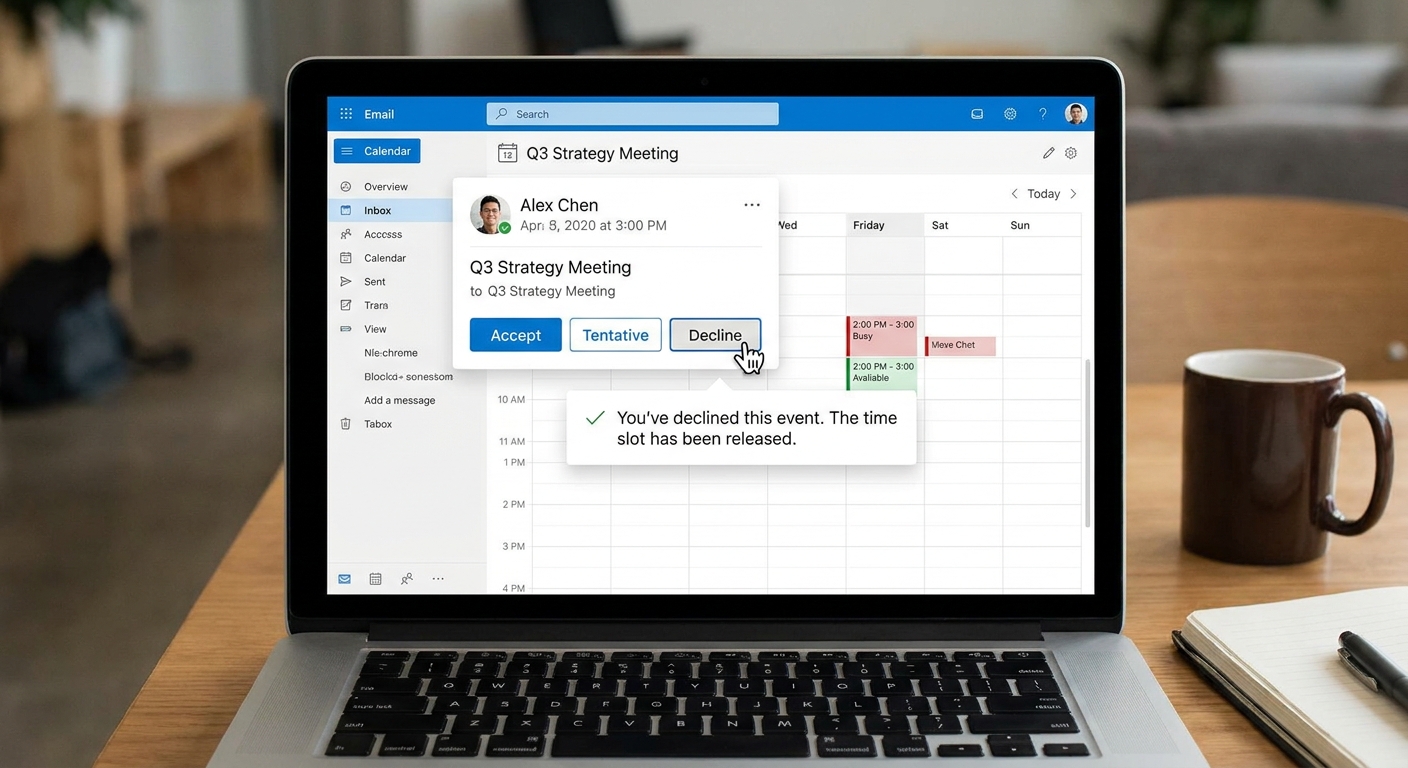
- Any necessary logistics (canceling a calendar invite, freeing up the time slot)
Quick checklist
When I hired for nursing and remote tech roles, the biggest frustrations were no-shows and last-minute cancellations with no context. If you handle the decline cleanly, you stand out in a good way.
- Aim to reply within 24 to 48 hours if you can
- Decline in the same email thread so the recruiter can track it easily
- Keep it short, especially if you are declining because you accepted another offer
- Be careful with wording like “the pay is too low” unless you truly want to negotiate and think it is appropriate
- Double-check names, role title, and company spelling
Same-day cancellations
If you are canceling the day of the interview, speed matters more than perfect wording. If they have been texting you, a quick text is often appropriate. If you have a phone number, a brief call can be the fastest way to reach someone. Either way, follow up by email in the original thread so there is a clear written record and the team can update their schedule.
Template: scheduled interview
Use this when a date and time are already on the calendar. This version confirms you are freeing the slot so they can move forward quickly.
Subject line options
- Re: Interview for Marketing Manager on Thursday
- Re: Scheduled Interview | Marketing Manager
Confirmed-slot decline email
Hi Sarah,
Thank you for scheduling time to speak with me about the Marketing Manager position on Thursday, October 10. After careful consideration, I need to cancel our interview and withdraw from consideration at this time.
I appreciate your time and the opportunity. If it is helpful, my decision is based on accepting another offer that aligns closely with my current goals.
Thank you again, and I hope we can stay in touch for future opportunities.
Best regards,
Jordan Lee
555-013-4587
linkedin.com/in/jordanlee
Small but important: If you received a calendar invite, also click “Decline” on the invite so it removes the meeting from the interviewer’s schedule.
Template: not yet scheduled
Use this when they invited you to interview but you have not picked a time yet. This version keeps it simple and avoids any back-and-forth scheduling.
Subject line options
- Re: Interview Invitation | Customer Success Associate
- Re: Customer Success Associate Interview
Unscheduled-invite decline email
Hi Miguel,
Thank you for the interview invitation for the Customer Success Associate role. I appreciate you considering me.
At this time, I need to decline the opportunity and will not be moving forward in the process. My decision is based on a change in my job search direction.
Thank you again for your time, and I would welcome the chance to be considered for future roles that are a closer match.
Sincerely,
Jordan Lee
555-013-4587
If you want to reschedule
Sometimes you do not want to decline, you just need a different time. In that case, do not use a decline template. Keep it direct and offer options.
Reschedule mini-script
Hi Sarah,
Thank you for the invitation. Unfortunately, I am no longer available at the scheduled time. Would it be possible to reschedule? I am available Tuesday afternoon or Wednesday morning, and I am happy to work around your schedule.
Best regards,
Jordan Lee
Choosing a reason
You are not required to provide a reason, but a short one can make your email feel more human and reduce the chance you get pressured into explaining yourself.
Reasons that land well
- Accepted another offer: “I have accepted another offer that aligns with my current goals.”
- Not the right fit: “After reviewing the role in more detail, I do not think it is the right match.”
- Change in circumstances: “My availability has changed and I am unable to continue the process.”
- Career direction shift: “I am focusing on opportunities in a different area.”
Reasons to use carefully
- Compensation concerns: If you say “pay is too low,” be prepared for a negotiation conversation. Only use this if you are open to it.
- Negative comments about the company or interviewer: Even if you had a bad vibe, keep your email neutral.
- Personal details: Avoid anything medical, family-related, or financial unless you truly want it on record.
Multiple contacts
If you are working with an agency recruiter, you may also have an in-house recruiter or coordinator copied on the interview details. Decline in the same thread when possible so everyone sees it. If you have two separate threads, send a short note to each person so no one is left holding the calendar slot.
Ask to be considered later?
This depends on why you are declining.
Say “keep me in mind” if:
- You genuinely like the company but timing is off
- The role is close but not quite right
- You are withdrawing because you accepted another role, but would consider them later
Make a clean break if:
- You do not want contact from that employer again
- The role or company is fundamentally misaligned with your needs
- You feel pressured or uncomfortable and want the process to end
If you want a clean break, swap in a direct line like: “Please consider this email my withdrawal from consideration for the position.” That is polite and final.
Keep the door open
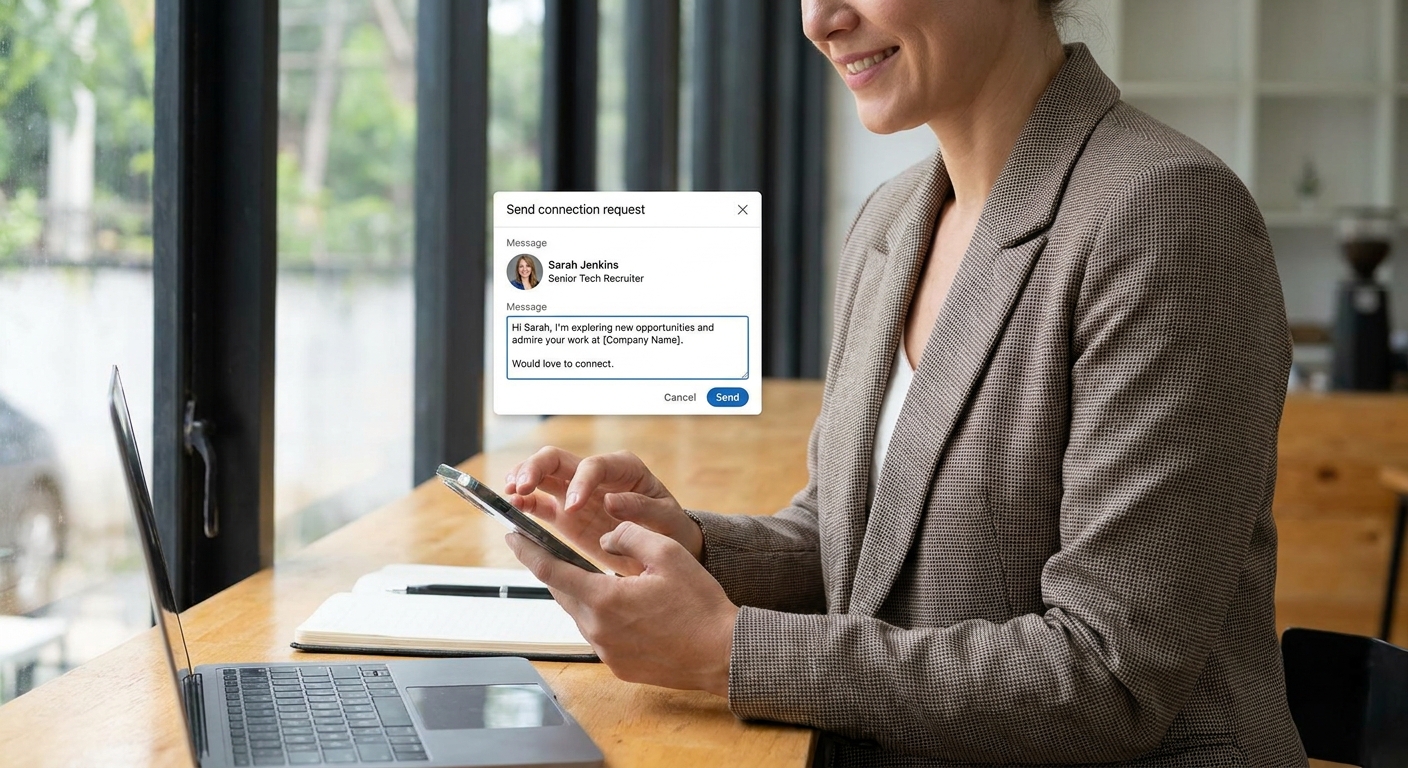
When I coached military veterans transitioning into civilian careers, a common challenge was maintaining a network while making fast decisions. A small relationship-preserving move is to connect on LinkedIn after you decline, especially if the recruiter was professional and the company is on your target list.
- Send a short connection note: “Thank you again for the invitation. I would like to stay connected for future opportunities.”
- Follow the company and set job alerts, so you can reapply intentionally later
- If appropriate, mention a specific future fit: “If a fully remote support role opens, I would love to hear about it.”
Mistakes to avoid
- Ghosting: Instead, send a short decline. Four to six sentences is plenty. Recruiters remember professionalism.
- Over-apologizing: One “thank you” and one “I appreciate your time” is enough.
- Vague maybes: If you are declining, be clear. Avoid “Maybe another time” unless you mean it.
- Long explanations: The longer the email, the more openings you create for questions and pressure.
- Declining late: If you are within 24 hours of the interview, say so directly: “I apologize for the short notice.”
FAQ
Is it okay to decline by email?
Yes. Email is the standard method unless the recruiter specifically asked for a phone call. Replying in the same thread is usually best. If it is same-day, a quick call or text (based on how they have been communicating) plus email can be the most considerate approach.
How late is too late to cancel?
As soon as you know. Same-day cancellations happen, but they should include a brief apology for the short notice and a clear cancellation so the interviewer can reclaim the time.
Should I tell them I accepted another offer?
You can, and it is a common reason. Keep it simple and avoid details like salary, company name, or a play-by-play unless you are comfortable sharing.
Can I decline and still negotiate?
If your main issue is compensation, location, or schedule, you may want to negotiate instead of declining. But if you are certain you do not want the role, a clean decline is kinder and more professional than trying to keep leverage.
What if I like the company, but the role is wrong?
Decline the role and stay open to future opportunities. Use language like: “I would welcome the chance to be considered for roles that align more closely with customer support leadership.”
A final script
If you are staring at your screen overthinking every word, copy this structure and adapt it to your situation:
- Thank you for the invitation
- I need to decline or withdraw
- One-line reason (optional)
- Appreciation and future preference (stay in touch or clean close)
You do not owe anyone a perfect email. You owe yourself a job search that respects your time, energy, and goals.