Pre-employment drug tests can feel intimidating, even if you have nothing to hide. In recruiting, I saw a lot of strong candidates get anxious at this step simply because nobody explained the process clearly. The good news is that many employers follow a similar playbook, even though the exact timing and rules can vary by industry, state, and the screening vendor. If you know the usual timing, what a contingent offer really means, and what questions to ask, you can get through this part with a lot less stress.
When employers schedule a pre-employment drug test
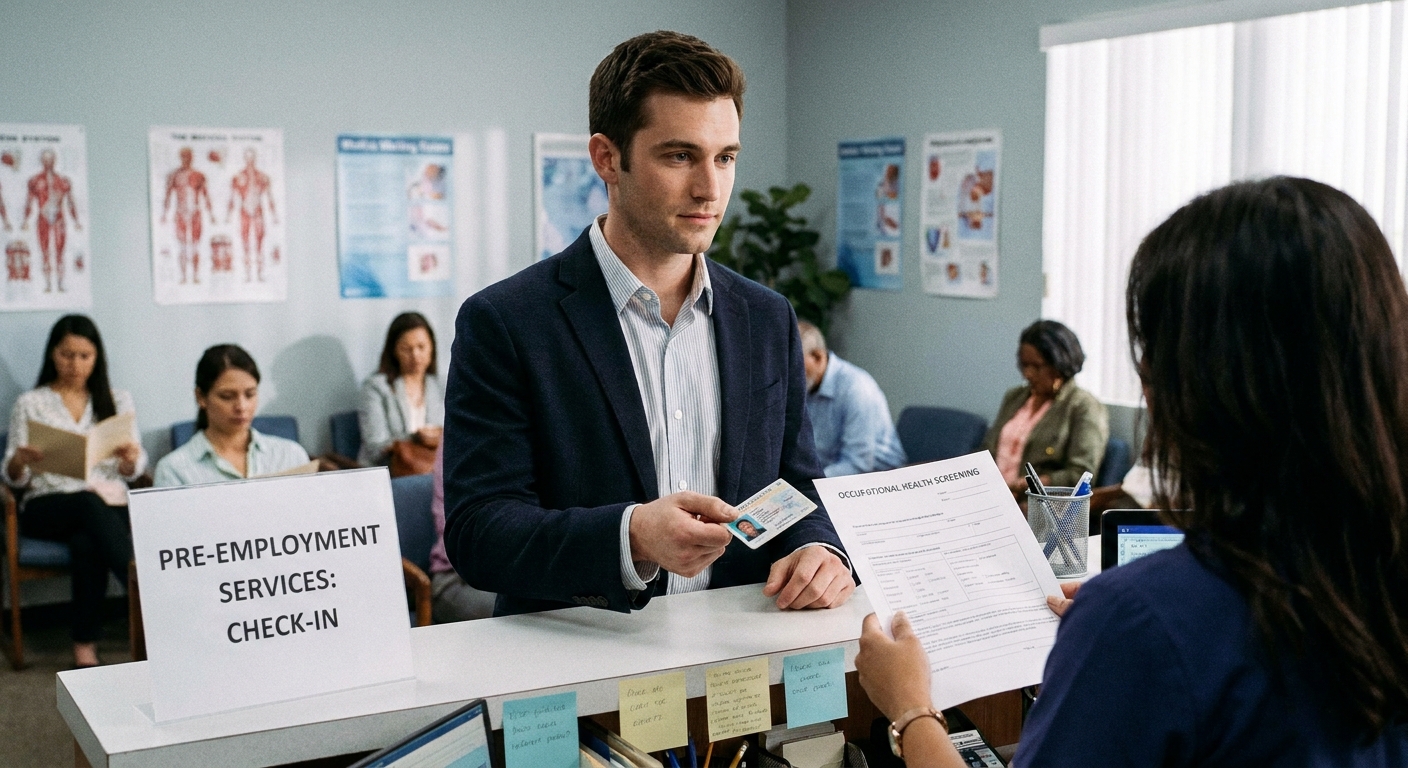
Many employers schedule a drug test after you have interviewed and they have decided you are their top choice. In many workplaces, it happens in the final stretch of the hiring process, often alongside a background check and reference checks.
Common timing scenarios I have seen:
- After a verbal offer: You may get a call saying they want to move forward, then you receive instructions for the drug test (and other screening steps) soon after.
- After you sign a written offer: The offer letter may state that employment depends on passing screening requirements.
- Same week as onboarding paperwork (before day one): Some employers bundle everything, especially for higher-volume hiring like hospitals, warehouses, call centers, and large remote teams.
For certain roles, the test may happen earlier or under tighter deadlines. Safety-sensitive positions and jobs regulated by federal rules often run on strict timelines. For example, many transportation roles require specific testing procedures as part of the hiring workflow.
What a contingent offer means
A contingent offer (also called a conditional offer) means the employer is offering you the job as long as you meet certain conditions. One of those conditions is often passing a pre-employment drug test.
In plain language: you are the selected candidate, but the employer is not going to fully finalize your start date or onboarding until the required screens clear.
Typical contingencies
- Drug test results
- Background check completion (separate step, separate rules)
- Verification of education, licenses, or certifications
- Proof of eligibility to work
If you are ever unsure whether you are truly hired or still in the contingency window, look for wording like “contingent upon,” “conditional upon,” “subject to successful completion,” or “pending results.”
How you will be notified
Employers typically send drug test instructions by email through HR, a recruiting coordinator, or a third-party screening company. You might receive:
- A lab order or electronic pass (sometimes called an ePassport)
- The test location details
- A deadline window (commonly 24 to 72 hours, but it can be longer depending on the employer and clinic access)
- What to bring (usually a government-issued photo ID)
Your first move should be to read the instructions line by line and note the deadline. Missing the testing window may be treated the same as refusing the test, depending on employer policy, even if it was an honest scheduling mistake.
If the instructions are unclear or the deadline is not workable because of travel, work, childcare, or distance, contact the employer right away. In my experience, many employers can adjust the testing site or extend the window if you ask promptly and professionally.
Where the test happens
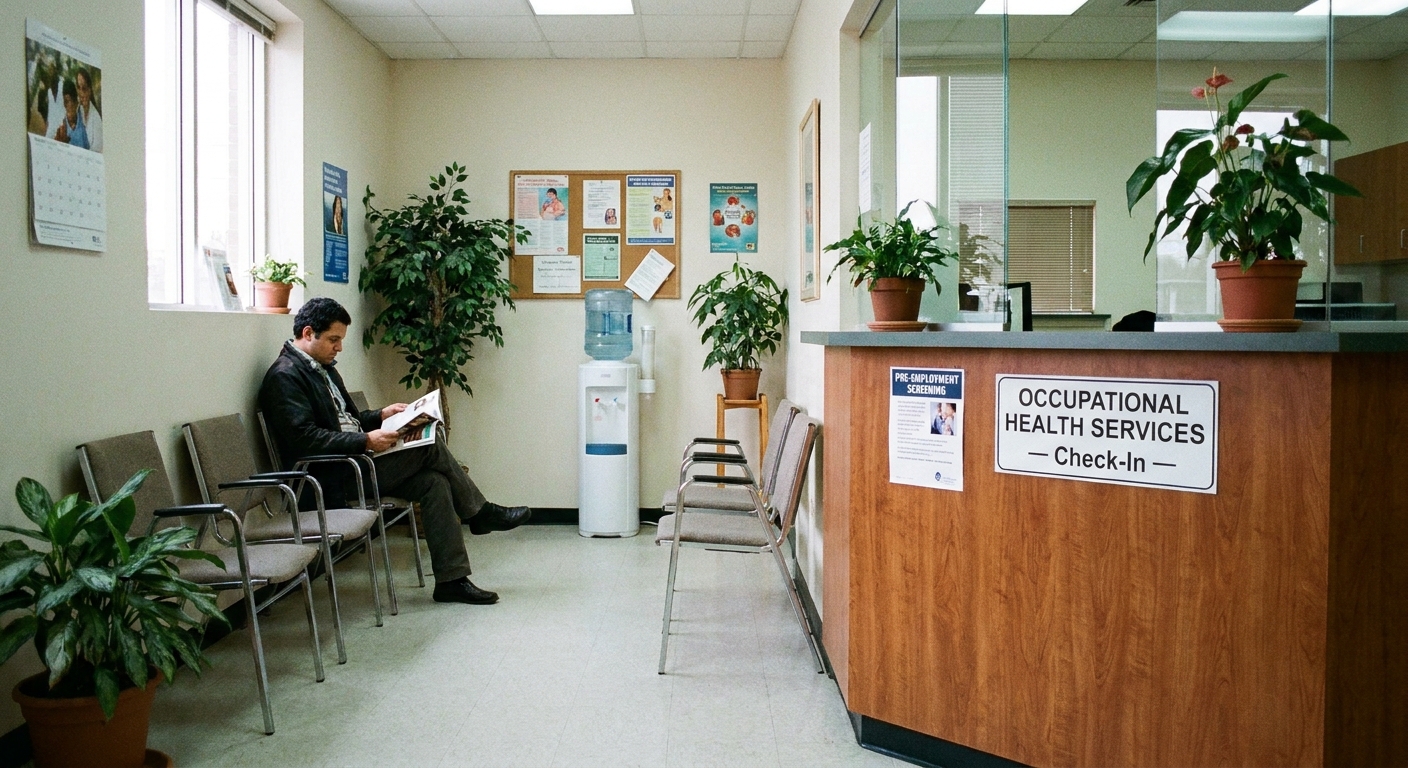
Most pre-employment drug tests are done at a third-party clinic or occupational health site, not at the employer’s office. Some employers use mobile collection services, but a clinic is still the most common setup.
What the appointment is like
While procedures vary by employer and state, the overall experience often looks like this:
- Check in with your photo ID.
- Complete basic paperwork confirming your identity and the type of test ordered.
- Provide the sample as directed by staff.
- Confirm the process is complete before leaving, especially if you are on a deadline.
Time-wise, many visits take about 30 to 60 minutes total, but plan for longer during peak times or at walk-in locations. If it is a walk-in site, mid-morning or mid-afternoon often has shorter waits than lunch hour or right after typical work shifts end.
Common test types
Most candidates assume every pre-employment test is the same. In reality, the collection method can affect what the appointment feels like and how long you are there.
- Urine test: Very common for pre-employment screens. Expect identity verification and specific collection rules.
- Mouth swab (saliva) test: Often faster and can sometimes be done on-site at an employer location, depending on the program.
- Hair test: Collected by a trained staff member and can take a bit longer at the appointment because it involves a hair sample.
If your instructions do not say what type of test it is, it is appropriate to ask. It is a normal logistical question, not a red flag.
How to prepare
It is completely reasonable to want to be prepared. Focus on the basics that support a smooth, legitimate test experience.
Do
- Bring a valid, unexpired photo ID.
- Arrive early so you have buffer time for paperwork and lines.
- Follow the clinic instructions exactly and ask staff if anything is unclear.
- Keep your phone available in case the employer or clinic needs clarification, but follow clinic rules on phone use.
- Ask HR in advance if you will need an accommodation due to a disability or medical condition.
Do not
- Do not try to tamper with, dilute, or substitute a sample. Beyond being unsafe, it can be treated as a failed test or a disqualifying integrity issue.
- Do not ignore prescription instructions. In many programs, you do not discuss prescriptions with your recruiter. If a result needs review, a Medical Review Officer (MRO) may contact you directly to verify a legitimate prescription.
Questions to ask about logistics
If you take nothing else from this article, take this: you are allowed to ask logistical questions. A professional employer expects it. Clear details help you comply on time.
Ask these questions
- “What is my deadline to complete the drug test?” Ask for the exact date and time, including time zone if you are remote.
- “Is it appointment-only or walk-in?” This determines whether you need to book a slot and how much time to budget.
- “Can you confirm the address and hours of operation?” Especially important if the clinic hours are limited.
- “Is there more than one approved location?” If you live far away, travel for work, or rely on public transit, this can make or break your ability to meet the deadline.
- “Who do I contact if the clinic is closed or cannot find my order?” Get a name, email, and phone number if possible.
- “If I’m traveling or out of state, can the test be scheduled near me?” Many screening vendors can route you to a different collection site.
- “Do I need to print anything, or can I show the authorization on my phone?” Some sites want printed paperwork, while others accept electronic passes or QR codes.
What happens after the test
In most cases, the clinic collects the sample and sends it to a lab for processing. Turnaround time varies. Some employers hear back quickly, while others may take several business days due to lab processing times, weekends, holidays, or high volume.
Privacy-wise, employers typically receive a status type of result (for example, negative or a result that requires review). If something needs medical verification, that is usually handled through the MRO process rather than through your recruiter.
What you can do while you wait
- Keep an eye on your email and voicemail in case the employer or MRO needs a quick follow-up.
- Continue preparing for onboarding such as gathering I-9 documents, license numbers, or training availability.
- Do not resign from your current job until you have a confirmed start date and you are comfortable that contingencies are complete.
If your result is dilute or inconclusive
This catches people off guard because it does not always mean you “failed.” Sometimes a sample is reported as dilute or otherwise invalid for testing, and the employer may require a retest. The main impact is usually timing. It can delay your clearance and push back a start date, especially if the retest window is short.
If you get notified that a retest is needed, respond quickly and treat it like a deadline-sensitive logistical task.
Prescription medication and medical cannabis
This is one of the most common sources of anxiety I hear about. Policies vary widely by employer, state, and role type. Some positions have stricter rules because of safety requirements or federal regulations, even if a substance is legal in your state.
The most helpful step you can take is to ask HR a straightforward, professional question before you test:
- “Is this role subject to federal testing requirements or a safety-sensitive policy I should know about?”
If the testing process includes a medical review step, follow their instructions carefully. Keep your communication focused on logistics and documentation requirements. In most cases, if prescription verification is needed, the MRO handles that directly with you.
One high-level reminder I share with candidates: for some federally regulated roles, including many DOT-regulated positions, marijuana remains prohibited even if it is medically authorized at the state level. State protections can also differ depending on where you live and the job category. If you are unsure, ask the employer which policy applies to the role.
Veterans and safety-sensitive roles
When I helped my brother transition out of the military, one thing that surprised him was how many civilian employers have screening steps that feel similar to the structure of military in-processing. The difference is that civilian hiring often happens across multiple vendors and emails, which makes it easier to miss a deadline.
If you are applying to roles like transportation, healthcare, security, utilities, or industrial work, assume the employer may treat missed deadlines as a serious issue. If anything about your instructions is unclear, ask early and document who you spoke with.
Quick checklist
- Confirm your test deadline and time zone
- Verify the address, hours, and whether you need an appointment
- Plan transportation and buffer time
- Bring a valid photo ID
- Save the recruiter or HR contact info in your phone
- Keep any required authorization email handy (printed if needed)
FAQ
Is a drug test always required for a job offer?
No. Some employers do not test at all, some only test for certain roles, and some test across the board. It often depends on industry, insurance, and whether the position is safety-sensitive.
Can an employer drug test you after you start?
Some employers have policies for post-hire testing, such as reasonable suspicion testing, random testing for certain roles, or post-incident testing. Your offer letter, handbook, or policy acknowledgments usually spell this out.
Should I ask about the drug test before an offer?
You can, but I usually recommend waiting until late-stage interviews unless you need to know for a specific reason (for example, relocation timing or a role governed by federal rules). Once you receive a contingent offer, it is completely appropriate to ask detailed questions about logistics.
What if I cannot get to the testing site in time?
Contact HR or your recruiter immediately, explain the logistical issue briefly, and ask for an alternate site or an extension. The earlier you communicate, the more options you usually have.