A crisp fold and a fresh perspective.
A lunch interview can feel friendlier than a conference room, but it is still an interview. The meal is simply the setting. Your goal is to show you can hold a professional conversation, read the room, and make good choices while keeping the focus on your work.
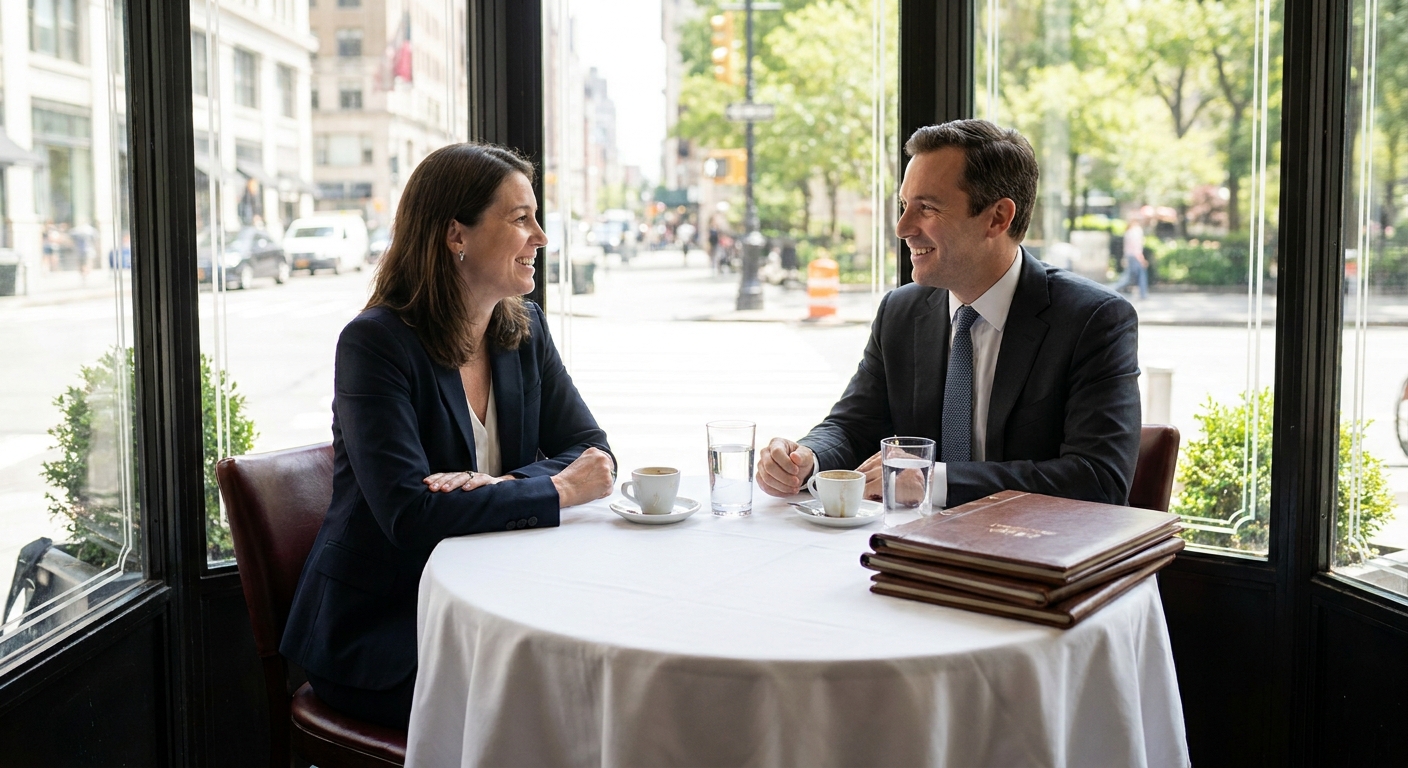
What it is really testing
Employers rarely schedule a meal just for variety. A lunch interview helps them see how you handle everyday workplace moments that are not scripted.
- Professional social skills: Can you make conversation, listen well, and stay respectful with staff?
- Judgment: Do you pick an appropriate meal and pace yourself?
- Composure: Can you answer questions while managing small distractions?
- Fit: Do you come across as someone they can put in front of clients, partners, or teammates?
Before you go
Confirm details early
If the invite is vague, it is fine to confirm:
- Time and address
- Who you are meeting (and whether anyone else is joining)
- Reservation name (yours or theirs)
- Approximate length (helpful if you have another commitment)
A simple message works: “Looking forward to meeting. Just confirming we are set for lunch at 12:30 at The Oak Cafe under your name?”
Check the menu
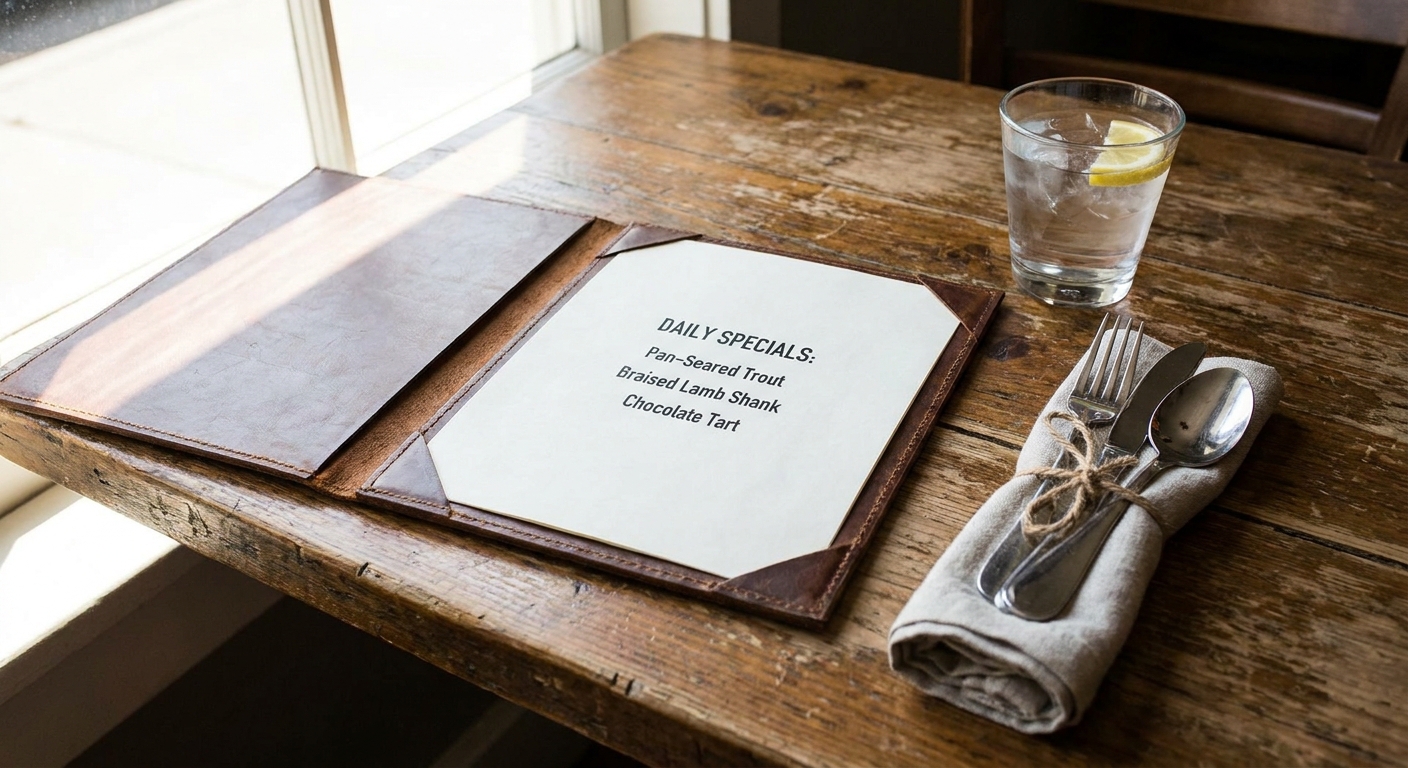
This is one of the easiest ways to reduce stress. Scan the menu in advance and pick two or three safe options so you are not making a high-stakes decision at the table.
- Choose items you can eat neatly.
- Avoid anything you have never tried before.
- Keep it simple. Lunch interviews often move quickly.
Arrival and seating
If you arrive first
- Check in politely. Give your name and the interviewer’s name to the host.
- Order water only. Do not start ordering food until the interviewer arrives.
- Use a quick reset. Arrive early enough to wash your hands and take a breath.
Let them lead
If there is any uncertainty about where to sit, follow the interviewer’s cue. If you are offered a choice, pick a spot that makes conversation easy and lets you stay relaxed. Comfort helps you stay present.
Who pays?
In many lunch interviews, the employer pays, especially if they chose the restaurant. Norms can vary by region, industry, and seniority level, so the best move is to handle the moment with calm professionalism rather than assumptions.
How to handle the check
- Offer once. When the check arrives, you can say, “I’m happy to split,” or “I can get my portion.”
- If they say they have it, accept. A simple “Thank you, I appreciate it,” is enough.
- Do not argue. A back-and-forth can get awkward fast.
If the moment gets awkward
If the interviewer hesitates or the check sits there, keep it easy and direct: “I’m glad to split if that’s easiest.” Then follow their lead.
If you are asked to pick the place
If the interviewer tells you to choose a restaurant or suggests meeting near you, pick somewhere:
- Quiet enough to talk
- Easy to find with reliable parking or transit
- Moderately priced, with several simple lunch options
What to order
Ordering is one of the moments where the interview part can show through. The goal is to make a low-risk choice that lets you speak comfortably and focus on the conversation.
Good ordering rules
- Follow their lead. If the interviewer orders an entrée, you can too. If they order something light, consider matching the tone.
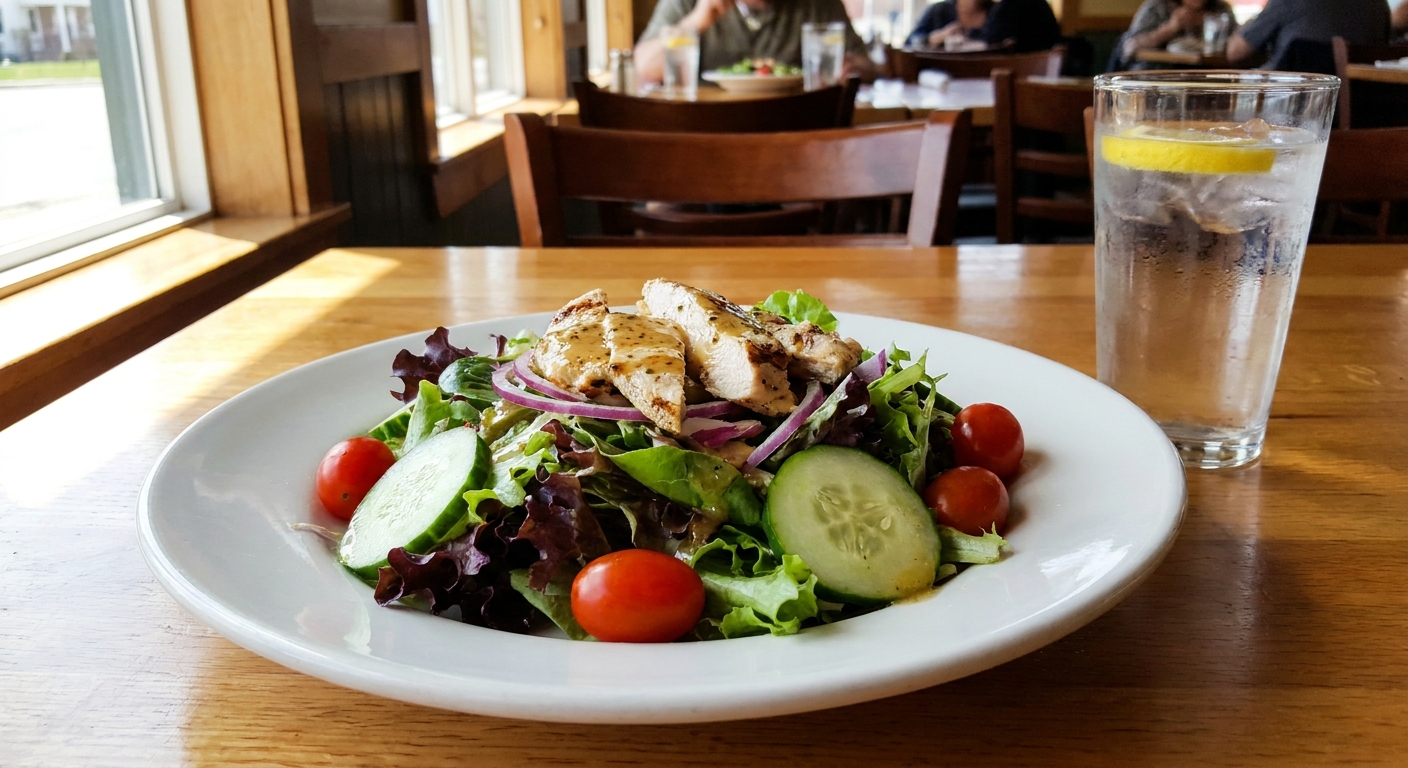
- Choose neat, manageable foods. Think grilled chicken, salads that are easy to spear, grain bowls, simple sandwiches, soups that are not messy.
- Keep it mid-priced. Aim for the middle of the menu, not the cheapest and not the premium item.
- Keep modifications minimal. If you need a change, keep it straightforward.
Skip these
- Anything extremely messy (ribs, extra-saucy wings, overloaded burgers)
- Foods that are hard to eat while talking (very long noodles, giant wraps that fall apart)
- Very strong odors (extra garlic-heavy dishes, some fish options depending on the restaurant)
Alcohol
The safest default is to skip alcohol. Even if the interviewer orders a drink and the culture is relaxed, one drink max is the outer limit. It is also completely acceptable to decline with a simple line: “I’ll stick with water today, thank you.”
Coffee, soda, dessert
- Coffee or tea: Usually fine. Watch spills.
- Sugary drinks: Fine in moderation, but water is the safest default.
- Dessert: If they suggest it, you can share or choose something small. Do not be the only person ordering dessert.
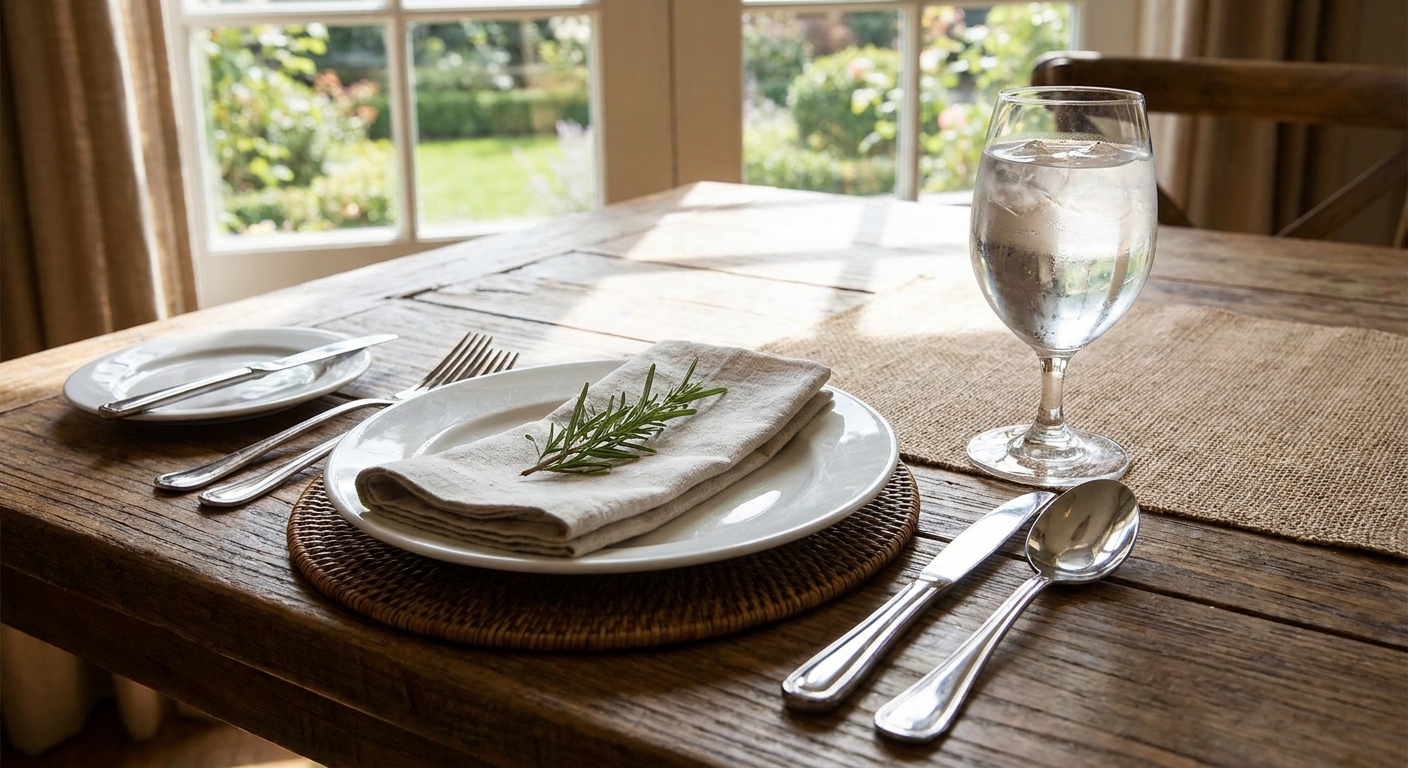
Table etiquette
You do not need to be a formal dining expert. You just need to show respect for the people around you and keep the meal from becoming the main event.
Quick checklist
- Arrive early. Five to ten minutes is ideal.
- Put your phone away. Silence it and keep it off the table.
- Be kind to staff. Say please and thank you. Keep complaints out of it.
- Wait for a cue to start. Often that means waiting until the interviewer has their food or invites you to begin.
- Take smaller bites. It is easier to answer questions without rushing.
- Napkin on your lap. Simple, quiet, and professional.
- Mind your posture. Sit upright and stay engaged.
- Keep it tidy. If a spill happens, stay calm and handle it discreetly.
Talking while eating
If you are asked a question mid-bite, you can pause, finish chewing, then answer. If you need a bridge, keep it simple: “One moment, I want to give you a thoughtful answer.”
Conversation
A lunch interview blends professional topics with light rapport. The safest approach is to treat it like a normal interview with smoother transitions.
What to bring
- Your stories: A few concise examples about collaboration, problem-solving, and initiative.
- Curiosity: Questions that show you understand the role and want to do it well.
- Listening: Respond to what they actually say, not just what you planned.
Easy small talk
- How their day is going
- General interests (books, weekend plans, sports in a neutral way)
- What the team is focused on right now
- Professional background: “What brought you to this team?”
Topics to avoid
- Politics and hot-button current events
- Gossip about past workplaces
- Overly personal stories
- Complaints about the restaurant, service, or neighborhood
Good questions for a lunch format
- “What would success look like in the first 60 to 90 days?”
- “What does the team need most right now?”
- “How do you like to communicate day to day as a team?”
Dietary restrictions
Dietary restrictions are common. The key is to handle them early and calmly, without turning the meal into a negotiation.
If you know the restaurant
- Check the menu online for compatible options.
- If needed, call the restaurant beforehand to confirm they can accommodate your restriction.
- Plan a simple order so you are not scrambling at the table.
If you need to mention it
You do not need to share medical details. Keep it short and practical.
- “Just a heads-up, I avoid gluten. I’ll find something that works.”
- “I have a nut allergy, so I’ll order something simple.”
If the suggested place will not work
Offer an easy alternative without making it a big moment: “That spot looks great. I have a dietary restriction that can be tricky there. Would you be open to Cafe Linden instead? They have more options for me.”
If switching restaurants is not feasible, focus on ordering something safe, even if it is small. The point is the conversation, not the size of the meal.
If something goes wrong
You spill something
Stay calm. Apologize briefly, ask for napkins, and move on. How you recover matters more than the spill.
It is loud
If you cannot hear well, it is fine to say, “This is a bit loud. Would you mind if we moved to a quieter spot?” Let staff help if possible.
The service is slow
Do not complain. Use the time to talk. If timing becomes an issue, you can say, “I want to be respectful of your schedule. Should we shift to wrapping up and set a quick follow-up call?”
How to wrap up
The end matters because it is often what the interviewer remembers. As the meal finishes, look for a clean close.
- Say thank you. “Thank you for lunch, I really enjoyed meeting you.”
- Confirm next steps. “What are the next steps in the process, and what timeline should I expect?”
- Send a thank-you note. Later that day, email a brief thank you and reference one specific moment from the conversation to make it feel real.
Quick checklist
- Confirm time, location, and reservation name
- Look up the menu and pre-pick two safe options
- Arrive early enough to wash hands and settle in
- Assume the employer will often pay, but offer once
- Order something neat and mid-priced
- Skip alcohol, or politely decline
- Phone away, be kind to staff, take small bites
- Keep conversation professional with light warmth
- Close with thanks and clear next steps
FAQ
Should I bring a resume?
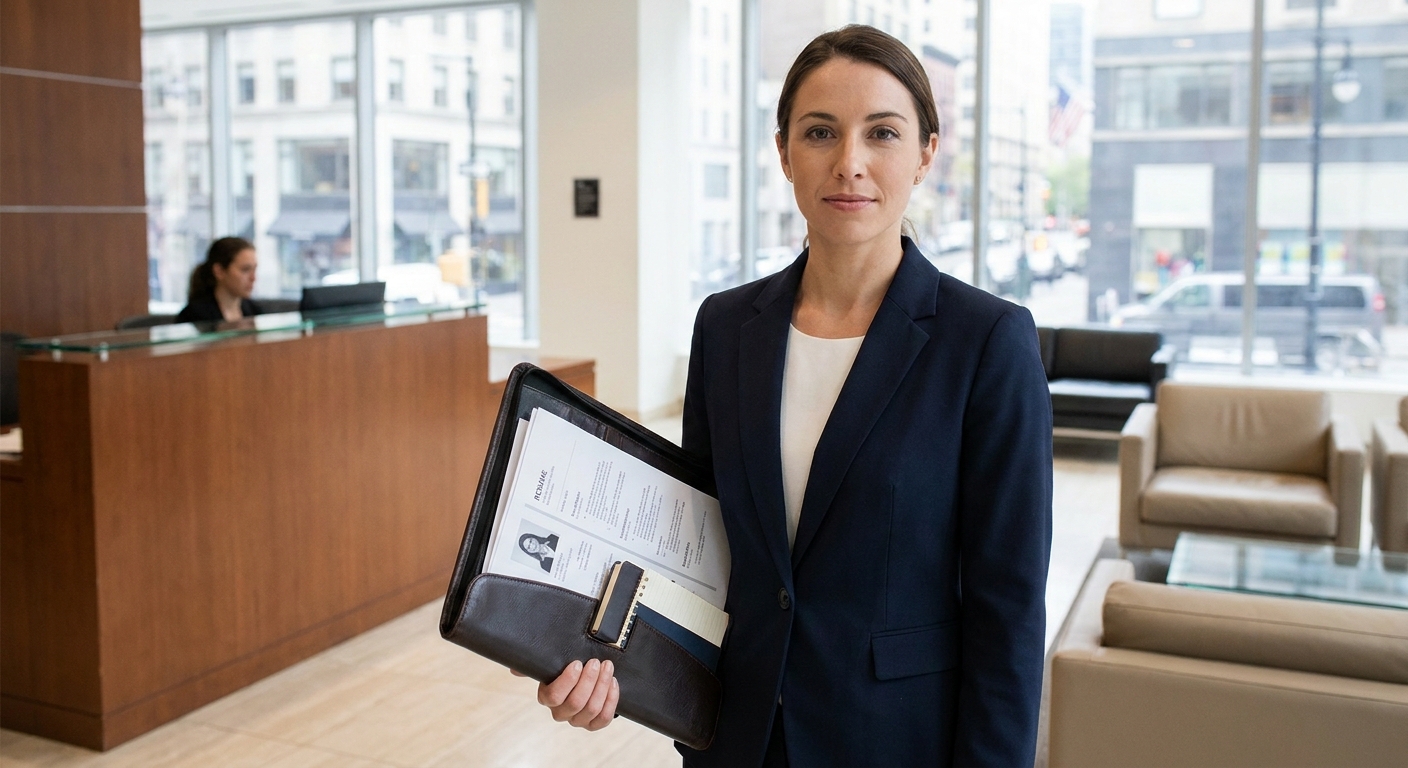
It is reasonable to bring a clean copy in a folder or portfolio, just in case. Keep it tucked away unless it is needed.
Is it okay to take notes at lunch?
Yes, lightly. If you need to capture something, ask first: “Do you mind if I jot that down?” Keep your notebook or portfolio on your lap or close to you, and do not spread papers across the table.
What if I am nervous about eating?
Choose a simple food you can manage, slow your pace, and remember the conversation is the main event. If you cannot eat much, it is fine. Keep your focus on listening and answering well.