I grew up in a working-class family where job interviews felt like high-stakes events you could mess up with one small mistake, like forgetting a document or showing up without a pen. Later, when I worked in university admissions and then corporate recruiting (including nursing and remote tech roles), I saw the other side: candidates who were fully qualified, but looked flustered because they were unprepared in simple, fixable ways.
The goal is not to haul your whole life into the interview. It is to bring a short list of items that help you look organized, answer confidently, and handle basic logistics without stress.
The quick checklist
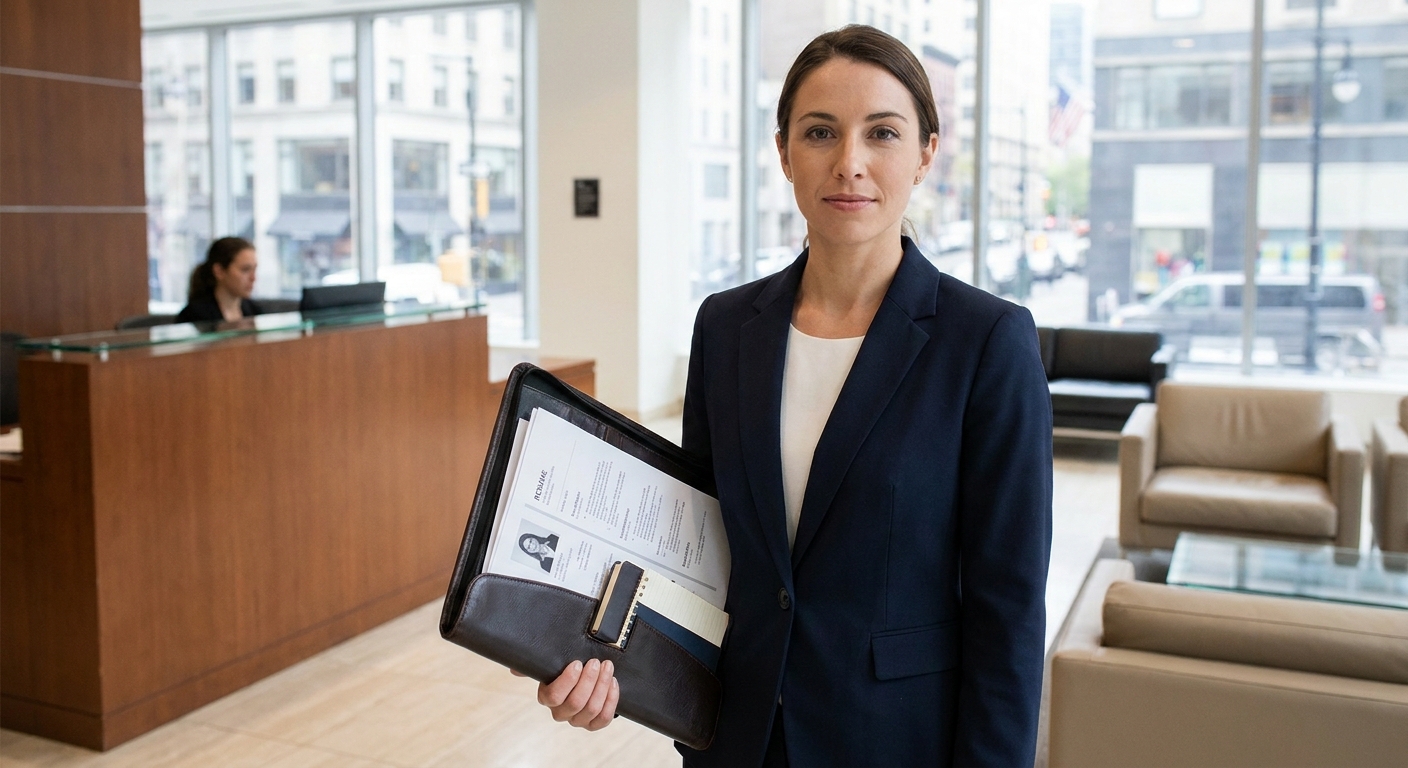
- 2 to 5 copies of your resume on clean paper
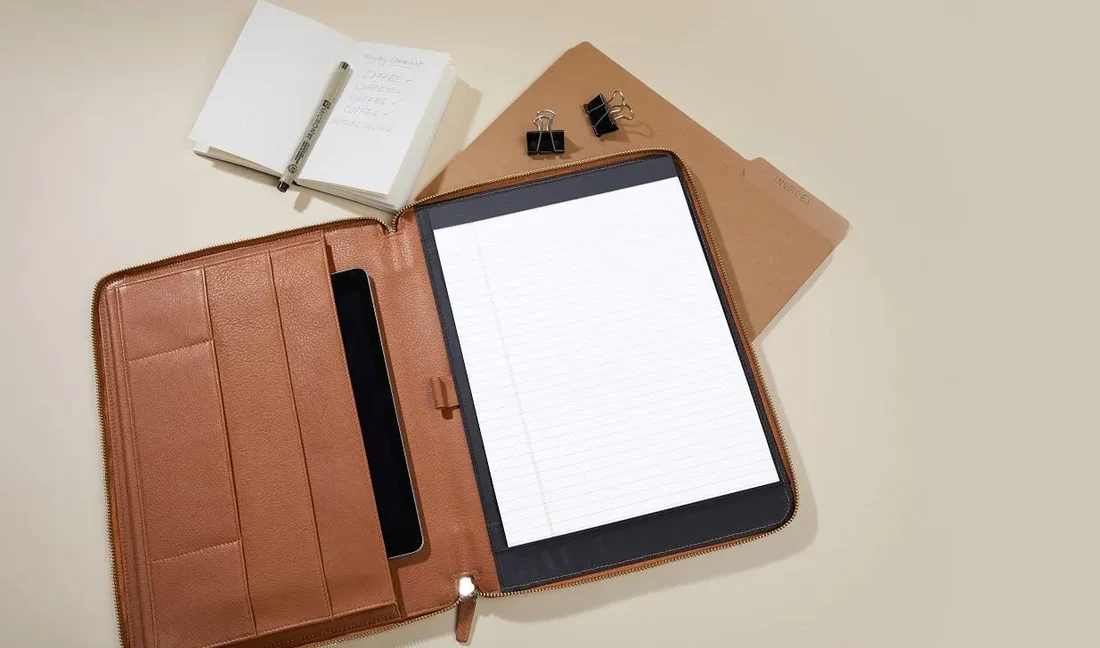
- A small notebook for notes and questions
- Two pens (one as a backup)
- Government-issued photo ID if the employer asked, or if you are entering a secured building
- Directions and contact info for your recruiter or main point of contact
- A professional bag or folder to keep everything neat
- Work samples if requested, or if truly relevant and easy to review
- A few mints (optional, but helpful)
Below, I will break down when you do and do not need each item, plus what to leave at home so you do not create distractions.
Extra resume copies
Even when everyone has access to your application online, I often saw interviewers walk in without a printed resume in hand, especially when schedules change or a panel member joins last minute. Having a few clean copies signals preparedness and removes friction.
How many copies?
- 1 for you to glance at while you wait
- 1 for each interviewer if you know a number
- 1 extra in case someone joins unexpectedly
Which version?
Bring the most recent version, and make sure it matches what you submitted. If you updated it after applying, you can still bring the updated version, but be ready to explain it simply: “I made a few updates since I applied, so I brought the latest copy.”
Notebook and pens
A notebook does two important things in an interview. First, it helps you capture details you will use later in your thank-you email. Second, it gives you a place to put nervous energy so your hands are not searching for something to fidget with.
What to write down
- Names and titles of interviewers
- Key priorities mentioned for the role (metrics, shift needs, projects)
- Anything you want to reference in your thank-you note (a challenge you can help solve)
- Your own questions and the answers you receive
Note-taking etiquette
- Take notes sparingly so you keep eye contact.
- If you need to write something down, say it simply: “I am going to jot that down.”
- Skip anything that clicks, types loudly, or risks notifications. A paper notebook keeps attention on the conversation.
Identification
Some employers require identification for building access, visitor badges, or security. If your instructions mention bringing ID, take it seriously.
What counts as ID?
- A valid driver’s license
- A state or provincial ID
- A passport
- Any other government-issued photo ID accepted for building entry in your area
If you are interviewing in a secured facility, hospital campus, government building, or corporate headquarters, it is smart to have a government-issued photo ID with you even if it was not mentioned.
Important: For a typical interview, you usually do not need to bring sensitive documents like a Social Security card, birth certificate, or work authorization paperwork unless the employer specifically requested them for a same-day onboarding step. (If you are outside the US, the “do I need to bring additional documents” answer varies, so follow the employer’s instructions.)
Work samples
Work samples can be helpful, but only when they fit the role and can be reviewed quickly. In recruiting, I saw candidates hurt themselves by overloading the interviewer with unrelated materials, or by sharing confidential work from a former employer.
Bring samples when
- The employer asked for a portfolio, case study, writing sample, code sample, or project overview
- The role is sample-driven (design, writing, marketing, engineering, project management)
- You can explain the sample in 60 to 90 seconds
Keep it safe and professional
- Do not bring proprietary or confidential documents from a past employer.
- Anonymize sensitive details (client names, internal metrics, screenshots with private data).
- If you are unsure, bring a sanitized summary that shows your process and results.
If you are in nursing or allied health, your “work samples” are more likely to be certifications, licensure information, or a clean summary of relevant clinical experience. Bring them if asked, or if you know the employer expects them at the interview stage.

Helpful extras
These are not mandatory, but they can save you in small ways.
- Interview invitation details (printed or saved offline): address, time, parking notes, and the name of your contact
- List of references if requested, or if you are in late-stage interviews. Keep it to one clean page with names, titles, company, phone, and email
- Breath mints (use one before you enter, not during the interview)
- Water (helpful if you get dry mouth, but keep it discreet)
- Any items required for an interview task (for example, a laptop for a skills assessment if they told you to bring one)
If you need an accessibility accommodation, it is also fine to bring what helps you perform at your best, including a large-print resume, a simple one-page “brag sheet,” or any assistive device you normally use. The goal is to make the conversation easier, not harder.
What to leave at home
When candidates ask me what not to bring, I usually say: anything that creates noise, clutter, or an avoidable decision point during the interview.
- Food (including coffee cups that could spill). Eat beforehand.
- Strong fragrance (perfume or cologne). It can trigger allergies in close quarters.
- Large bags and bulky items (gym bag, shopping bags, extra coats you cannot manage)
- Confidential documents from your current or past employer
- Valuables you do not need
- Anything noisy (keys on a loud lanyard, jangly items, crinkly packaging)
A note on your phone
Bring it, but make sure it will not interrupt you. Silence it fully so there is no ringing, no buzzing, and no notification sounds. If you use your phone for directions, put it away once you arrive.
If your interview is virtual
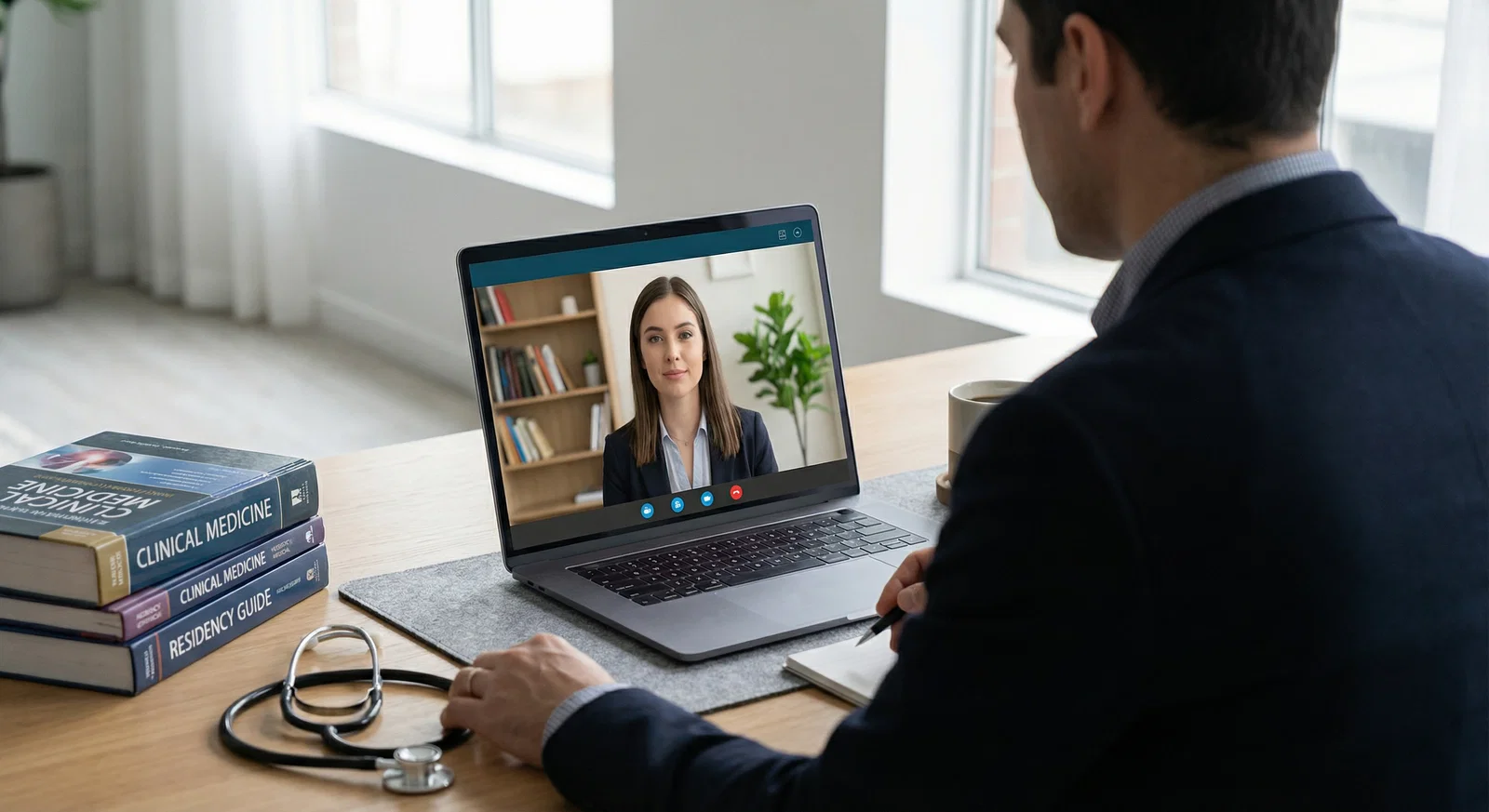
For video interviews, your preparation items are more digital than physical. Think in terms of reducing friction: fewer last-minute logins, fewer surprises, fewer distractions.
- A printed copy of your resume (or a PDF on-screen) for quick reference
- The job description pulled up so you can match your examples to their needs
- Your notes with 3 to 5 stories you can use (challenge, action, results)
- A short question list for the end of the interview
- The meeting link and dial-in number saved in two places (email and calendar)
- Headphones if they help you hear clearly and reduce echo
Then do one quick check 15 minutes before: confirm your device is charging, your internet is stable, and you can access the platform without an update.
How to pack it
You do not need fancy supplies. You need a clean, simple system.
- Use a folder or padfolio so papers do not bend.
- Keep your resume copies in front, notebook behind.
- Put pens somewhere easy to reach.
- If you brought work samples, keep them separate and easy to offer: “I brought a brief sample if you would like to see it.”
Quick setting differences
- Skilled trades or site roles: You may need a copy of certifications, a valid license, or basic PPE if they tell you a walk-through is part of the interview.
- Academic interviews: Bring what the department requested, such as a CV, a one-page research summary, or teaching materials.
- Career fairs: Bring more resume copies than you think you need, plus a simple way to track who you spoke with.
- Staffing agencies: Be ready for admin steps. They may ask for IDs, certifications, or availability details earlier than a direct employer would.
Common questions
Do I need references?
Not usually for an early interview. Bring a reference list if the employer requested it, or if you are in final rounds and you know they are checking references soon.
Should I bring transcripts or diplomas?
Only if they asked. Many employers verify education later through a background check or credential process, but timing varies by company, role, and country. If you are a new graduate in a regulated field, employers may request transcripts, certifications, or licensure details earlier.
Is it okay to bring notes?
Yes. A small notebook with a few bullet points and questions is professional. What you want to avoid is reading rehearsed scripts off your phone.
What if I forgot something important?
Do not panic. If it is a resume, ask the front desk if they can print one from an email attachment, or offer to email it to the interviewer right away. If it is a work sample, tell them you can send it immediately after the interview. Calm problem-solving reads as maturity.
Your 5-minute check
Right before you head out (or log in), run this quick mental list:
- Resumes printed and packed
- Notebook and two pens
- ID if needed for entry
- Directions, contact name, and arrival plan
- Phone set so it will not interrupt
Prepared does not mean perfect. It means you removed the avoidable stress so you can focus on what actually matters: connecting your skills to what they need.