When you accept a job offer, it is easy to focus on background checks, start dates, and putting in notice. But there is one small step that pays long-term career dividends: circling back to the people who spoke up for you.
I grew up in a working-class family where asking for help felt like a huge favor, not a normal part of getting ahead. Later, working in admissions and recruiting, I saw the behind-the-scenes truth: strong references often tip a hiring decision from “maybe” to “yes.” A clear, thoughtful thank-you after you accept an offer is how you honor that effort and protect that relationship for the future.

This guide focuses only on thanking job references after you accept. Interviewer thank-you notes, updates to someone who made an introduction, and your public new-job announcement each deserve their own approach.
When to thank your references
The best timing is simple:
- Send your thank-you within 24 to 72 hours after you accept and you have a confirmed start date or at least a firm “I accepted the offer” milestone.
- If the hiring process was fast and your reference took a call on short notice, thank them the same day you accept if you can.
- If your reference is in a different time zone or has a demanding schedule (healthcare, military, shift work), do not overthink it. A prompt note is still appreciated even if it lands outside business hours.
If you are waiting on details like salary paperwork or onboarding instructions, you can still thank them now. Your message is about their support, not the administrative fine print.
What to include
You do not need a long message. You do need the right ingredients.
1) A clear, specific thank-you
Name what they did. “Thank you for being a reference” is fine. “Thank you for taking a call with the hiring manager on Tuesday” is better.
2) The outcome they earned the right to hear
Your reference took a small professional risk by vouching for you. Close the loop by sharing:
- That you accepted an offer
- The job title
- The company name (usually OK)
- Your start month or start date (optional)
Keep it upbeat and grounded. You are not reporting to them. You are letting them know their time mattered.
3) One line that connects the job to their support
This is the part that makes your note memorable. For example:
- “I really appreciate you speaking to my leadership style. I know that aligned with what they needed in this role.”
- “Your examples about how I handled busy clinical shifts made me feel confident going into the final round.”
4) A professional sign-off
You can close with a simple “Thank you again” and your name. If you want to go one step further, offer a future favor (in a way that does not create pressure): “If I can ever return the support, I would be happy to.”
What not to include
Most reference thank-you notes go wrong because the candidate accidentally turns gratitude into another request.
Do not ask for more favors right now
After you accept an offer, your reference deserves a break. Avoid:
- “Can I list you again for a few more applications?”
- “If this falls through, can I use you for other companies?”
- “Can you write me a recommendation letter too?”
If you truly need a recommendation letter (for licensing, graduate school, or an internal transfer later), wait until you are settled and ask separately with context and a reasonable timeline.
Do not share sensitive details
Skip specifics that put you or the company in an awkward position:
- Exact salary or bonus numbers (unless you have a very close mentor relationship and it is relevant)
- Criticism about the interview process or other candidates
- Anything about negotiations that could be repeated out of context
Do not put them on the spot
It is tempting to ask, “What did you tell them about me?” Don’t. References sometimes share sensitive feedback, and they may have promised confidentiality. Your thank-you should be pressure-free.
Do not loop them into onboarding logistics
Even if the employer wants to verify employment dates again, handle those requests professionally through HR channels. Your reference is not your admin assistant.
Email vs text vs LinkedIn
Match the channel to your existing relationship and how they prefer to communicate.
- Email: Best default. Professional, easy to archive, appropriate for former supervisors and faculty.
- Text: Great for references you already text with (or for quick thanks after a same-day call). Keep it polished.
- LinkedIn message: Useful if that is your only contact method or if your reference is active there. Keep it short.
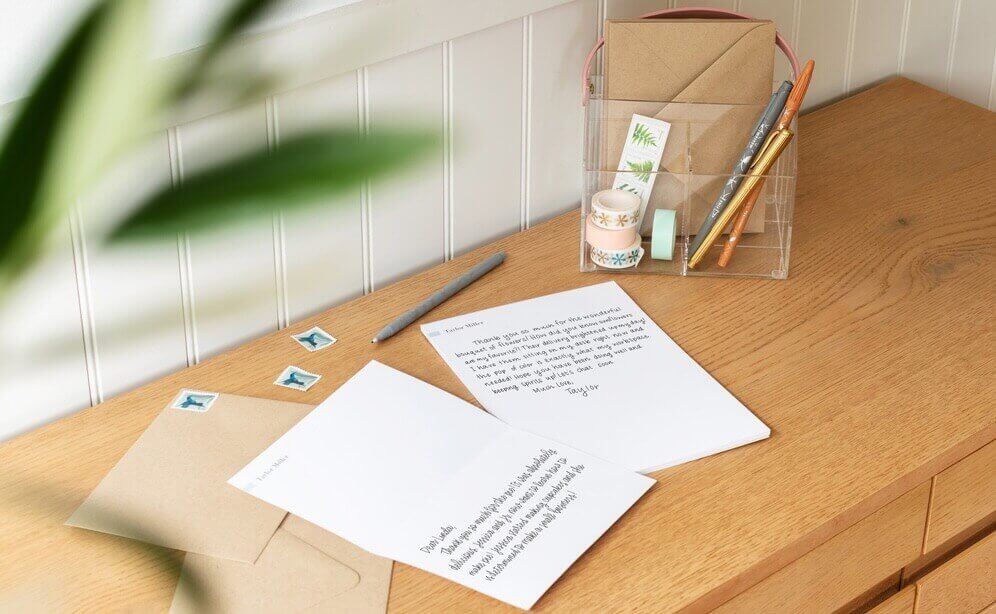
- Handwritten note: A nice extra for mentors who went above and beyond, especially for senior leaders. Not required, but memorable.
Examples you can use
Use these as-is, or tweak the details to sound like you. I am using fictional names and companies, but the structure is what matters.
Email example (former manager)
Subject: Thank you for being a reference
Hi Marissa,
Thank you again for taking the time to speak with Northbridge Health as a reference for me. I really appreciate your support and the thoughtful way you described our work together on the patient access project.
I wanted to share that I accepted the offer for the Operations Manager role at Northbridge Health. I’m excited about the next step, and I’m grateful you helped me get there.
Thank you again,
Jordan Lee
Email example (professor or academic mentor)
Subject: Thank you for your support
Dear Dr. Patel,
Thank you for serving as a reference during my job search. I appreciate you taking the time to speak on my behalf and share your perspective on my work in your capstone seminar.
I’m happy to share that I accepted an offer as a Marketing Analyst with HarborPoint Consulting. Your support made a real difference, and I’m very grateful.
Sincerely,
Alyssa Nguyen
Text example (someone you already text)
Hey Chris, thank you again for being a reference for me. I accepted the offer for the Product Support Specialist role at Redwood Software. I really appreciate you taking the time to vouch for me.
LinkedIn example
Hi Dana, thank you again for being a reference for me. I accepted an offer for a Program Coordinator position with Lakeshore Community Partners. I truly appreciate your support and the time you took to help.
If you are not sure they were contacted
Sometimes employers do “silent” reference checks, or they verify employment without a full conversation. If you are unsure whether your reference was contacted, you can still thank them without assuming.
Example:
Hi Priya, I wanted to thank you again for agreeing to be a reference during my recent search. I accepted an offer for the Data Coordinator role at Meridian Public Health, and I really appreciate your support throughout the process.
If they went above and beyond
If someone did more than the basics, say so. This is where you can be a little more personal while staying professional.
- If they took multiple calls: “Thank you for speaking with them more than once. I know your time is valuable.”
- If they wrote a letter: “I’m grateful you wrote such a detailed letter. It was incredibly helpful.”
- If they coached you: “Thank you for helping me prepare for the final round. Your guidance helped me show up confident.”
If appropriate for your relationship, you can also follow up with a small gesture like coffee or lunch. Keep it optional and phrased as an invitation, not an obligation.

What to share
Readers ask me this a lot, especially after negotiating.
- Safe to share: job title, company name, general excitement, start month.
- Use caution: location if you are relocating and it impacts mutual contacts, reporting structure if it could create gossip.
- Usually skip: salary, bonus, equity, and any confidential information from the hiring process.
If you and your reference have a close mentorship relationship and compensation transparency is part of that relationship, you can share broadly, but only if you genuinely trust the privacy and purpose of that conversation.
Stay in touch
A thank-you note is the “close the loop” moment. After that, your goal is simple: stay in touch without making every interaction about what you need.
- Save a reminder to check in after your first month or after probation ends.
- Share one positive update later, like “I’m fully onboarded and enjoying the team.”
- Be a reference when you can for others, especially early-career folks and veterans transitioning into civilian work.
In my recruiting years, I saw candidates build entire careers on relationships they protected in small moments like this.
FAQ
Should I thank a reference even if I already thanked them before?
Yes. Thanking them when they agree to be a reference is polite. Thanking them after you accept an offer is closure and shows professionalism.
Do I need to send a gift?
No. A well-written note is enough. If you choose to give something, keep it modest and appropriate for your relationship and workplace norms.
What if I accepted, then later my start date changes?
You do not need to update your references on every change. Only share major updates if you have an ongoing mentorship relationship and it makes sense.
What if I accepted an offer but the job is confidential for now?
Thank them and share only what you can. For example: “I accepted an offer and I’m excited to start soon. I’ll share details once it’s public.”