
Choosing between going enlisted or becoming a commissioned officer is one of the biggest decisions you can make before joining the U.S. military. Both paths can lead to stability, purpose, and excellent benefits. They also come with very different day-to-day expectations, leadership responsibilities, and timelines.
I have coached students, working adults, and veterans through this choice. The best decision usually is not about what sounds more impressive. It is about what fits your current life situation, learning style, and long-term goals.
Quick note: Pay and policies change often and vary by branch, location, and family situation. I will share the big-picture differences and point you to the most reliable places to verify current numbers.
Officer vs. enlisted: the simplest way to think about it
Enlisted
Enlisted service members are the backbone of every unit. Most enlisted roles are hands-on and skill-based, especially early on. You will train in a specific job field (your MOS, AFSC, rating, or similar depending on branch), gain experience, and often move into team-lead roles as you promote.
Commissioned officer
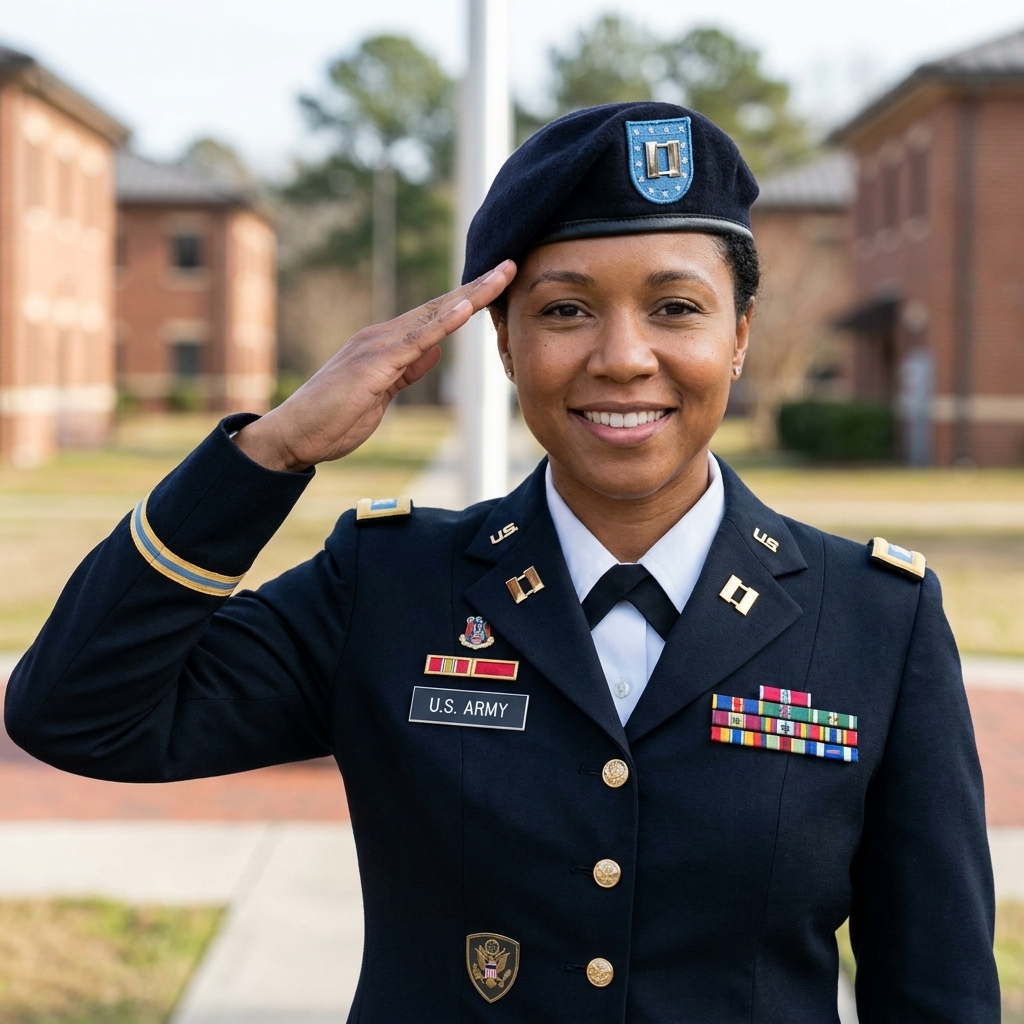
Commissioned officers are expected to lead, plan, and manage people and missions. You may still be close to the work depending on your community (for example, aviation, nursing, engineering). But your day-to-day is usually more focused on decision-making, accountability, and supervising teams.
A quick word on warrant officers
Many people use “officer” to mean “anyone with bars.” There is a third category in many branches: warrant officers. Warrants are technical experts who lead in a narrower lane than commissioned officers. Not every branch uses warrants the same way, and entry can be competitive, but it is worth asking about if you want deep technical work plus leadership.
- If you want to master a technical skill fast, enlisted is often the more direct route.
- If you want to lead at a higher level and manage larger teams earlier, the commissioned officer track is designed for that.
- If you want to stay highly technical while still advancing, the warrant path can be a strong fit in the right community.
Daily life: what your workday can actually look like
Movies get this wrong a lot. Most military jobs look like a structured workplace with training, meetings, equipment checks, and a lot of documentation. The difference is what you are responsible for.
Enlisted daily rhythm (common themes)
- More time on task: operating equipment, maintaining systems, direct patient care, troubleshooting, or executing mission steps.
- Clear direction: especially as a junior enlisted member, you will receive specific instructions and standards.
- Shift work is common: healthcare, aviation maintenance, cybersecurity operations, security forces, shipboard roles, and many logistics jobs can involve nights, weekends, or rotating schedules.
- Training never really stops: certifications, weapons qualification, fitness tests, and job-specific readiness requirements.
Officer daily rhythm (common themes)
- Planning and prioritizing: coordinating missions, resources, schedules, and risk management.
- People leadership: counseling, performance evaluations, discipline, mentoring, and making calls that affect careers.
- Meetings and briefing culture: you brief up and you brief down. For example, you might brief your commander on readiness numbers in the morning, then brief your team that afternoon on what changes tomorrow.
- Accountability: when something goes wrong, officers are often the ones answering for it, even if they were not the person turning the wrench or running the system.

Pay and benefits: how compensation really compares
Pay is usually the first question families ask, and understandably. The military compensation package has multiple parts:
- Base pay (driven by rank and years of service)
- Housing (often through BAH or government quarters)
- Food allowance (BAS for many members)
- Healthcare (TRICARE)
- Special pays (hazard pay, flight pay, sea pay, bonuses, language pay, etc.)
- Education benefits (Tuition Assistance, GI Bill)
Base pay: the big difference
Commissioned officers start at a higher pay grade than most first-term enlisted members (for example, O-1 vs. E-1 to E-3), and the gap often widens with time. That said, an enlisted member can build a strong financial foundation quickly, especially with housing and healthcare costs reduced compared to civilian life.
To see current pay tables, use the official DoD resources:
Allowances matter more than people expect
Two people with the same base pay can have very different take-home depending on location, dependents, and housing situation. This is why I encourage recruits to compare offers using total compensation, not just base pay.
Bonuses and incentives
Bonuses are real, but they are not guaranteed in either track. Enlisted contracts often include sign-on bonuses for hard-to-fill jobs, and some officer accession programs offer incentives too, especially in healthcare, aviation, cyber, and other critical career fields. The details are program-specific and fiscal-year-specific, so always confirm in writing.
Healthcare nuance
TRICARE is a major benefit. Active duty members are generally covered at no cost, while family members may have modest costs depending on the plan and status. Details vary, so verify based on your situation.
Education and entry requirements
Before we get into training, it helps to be clear on what it takes to get in. Requirements and age limits differ by branch and program, and waivers exist in some cases. Ask early so you do not waste time on the wrong path.
Enlisted requirements (typical)
- High school diploma or GED (requirements vary by branch and competitiveness)
- ASVAB score to qualify for specific jobs
- Medical and background qualification
Enlisted is often the fastest route to start earning, get trained, and access benefits like Tuition Assistance to build college credits while serving.
Officer requirements (typical)
- Bachelor’s degree for most commissioning paths
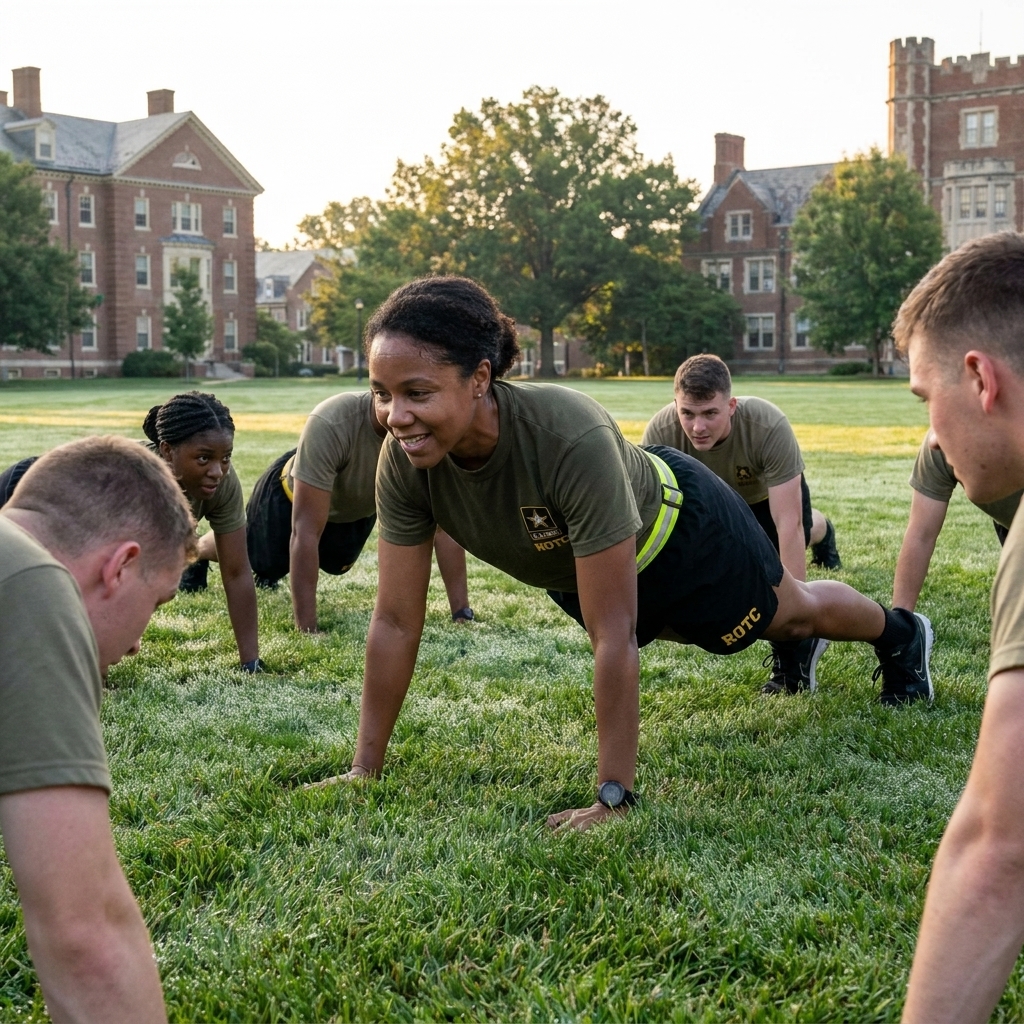
- Commissioning source such as ROTC, a service academy, Officer Candidate School (OCS/OTS), or direct commissioning for certain professions
- More competitive selection process in many cases
If you already have a degree and you want leadership responsibility, commissioning can be a strong move. If you do not have a degree yet, ROTC can be a practical bridge if you are comfortable committing while in school.
Training pipeline: what happens after you join
After you sign, the military moves you through a pipeline designed to turn you into a functioning member of the force. The details vary a lot by branch and job, but the overall shape is consistent.
Enlisted
- Basic training (boot camp)
- Job training (A-school, tech school, AIT, or equivalent)
- First unit where you learn how the job works in the real world
Enlisted training is designed to get you proficient in a specific role. Many fields offer certifications or credentialing opportunities along the way.
Officers
- Commissioning and initial officer training (for example, OCS/OTS for some paths, or academy and ROTC commissioning requirements)
- Branch or community training (varies widely)
- Early leadership assignments with heavy mentoring and evaluation
Officer training emphasizes leadership, ethics, planning, and responsibility for people and resources. Pipelines differ significantly by branch. For example, Marine officers do not go to recruit training, but they do have a distinct officer training and follow-on leadership school pipeline.
Service obligation: what you owe
This is the part people skip, then regret later. Initial commitments vary by branch, job, and program.
- Enlisted: many first-term contracts are around 3 to 6 years active duty (plus additional time in some form of reserve obligation), with longer commitments common for longer training pipelines.
- Officers: service commitments are often longer, and some communities (especially aviation and some medical routes) can require a longer obligation after training.
Bottom line: ask for the exact obligation tied to your specific job and commissioning source, not a generic number.
Promotion and career growth
Both tracks have structured promotion systems, but the pace and expectations differ.
Enlisted growth
- Early promotions often focus on job proficiency, fitness, and conduct.
- As you move into NCO ranks, leadership becomes central. You mentor junior troops, run sections, and enforce standards.
- Senior enlisted leaders often become the trusted operational experts and culture-setters for the unit.
Officer growth
- Early evaluations strongly reflect leadership performance, judgment, and mission outcomes.
- As you promote, you move from leading small teams to managing departments, then larger organizations.
- Career progression can be more “up or out” depending on branch and community, meaning timelines and competitive boards matter.
If you like a clear ladder, both paths offer one. The real question is whether you want your growth to center more on technical mastery (often enlisted first) or organizational leadership (commissioned officer from the start).
Job choice and control
This is a practical difference that can surprise people.
- Enlisted: you often have more ability to target a specific job at the time you sign, depending on ASVAB scores, availability, and what the contract guarantees.
- Officers: you apply into branches or communities, but the final assignment can depend more on performance, needs of the service, and timing. Some paths are very specific, and some are more flexible.
If having a specific technical job is your top priority, ask exactly what is guaranteed on paper, and what is “best effort.”
Long-term civilian career prospects
This is where I see people either set themselves up beautifully or miss opportunities simply because no one explained translation.
How enlisted experience translates
Enlisted roles can convert into strong civilian resumes when you document your skills in plain language and capture credentials.
- Healthcare: medics and corpsmen often pursue nursing, paramedicine, medical assisting, or healthcare admin pathways with additional schooling.
- Skilled trades and maintenance: aviation maintenance, diesel, HVAC, and electronics can map well to union jobs, federal roles, or private industry.
- Cyber and IT: security operations, networking, and helpdesk experience can lead to civilian roles quickly, especially with certs.
- Logistics: supply chain, warehouse operations, transportation, and procurement are huge civilian markets.
How officer experience translates
Officer service often maps cleanly to leadership-heavy civilian roles, especially if you can quantify scope and outcomes.
- Operations and project management: planning, budgeting, timelines, and cross-functional coordination.
- People leadership: performance management, hiring influence, training programs, and culture building.
- Compliance and risk: safety systems, audits, SOPs, and accountability structures.
A reality check: “Officer” does not automatically equal “executive job” on the outside, and “enlisted” does not mean you will be stuck at entry level. Your civilian prospects depend heavily on what you did, how long you did it, how well you documented it, and whether you earned credentials along the way.

Quality of life: housing, moves, family, and autonomy
Quality of life can vary dramatically by branch, base, and job. Still, a few patterns show up often.
Housing
- Many junior enlisted members live in barracks or dorms, particularly if single.
- BAH depends on circumstances: junior enlisted may receive BAH if they have dependents, if government quarters are not available, or based on local policy. Officers and senior enlisted are also often on BAH, but it is not automatic just because of rank.
Autonomy
- Junior enlisted usually have less day-to-day autonomy and more direct supervision.
- Officers generally have more independence earlier, but also more responsibility and visibility.
Moves and family planning
Both paths can involve frequent moves. If you have a spouse with a career, children with specific needs, or you are caring for family, ask detailed questions about assignment cycles, deployability, and the realistic tempo for the job you want.
Retirement basics (high level)
If you are thinking long term, you should at least understand the outline. Most service members today are covered by the Blended Retirement System (BRS), which combines a pension at 20 years with government TSP matching. Some members are under the older “High-3” legacy system depending on when they joined. Since this is a major financial decision, I recommend reviewing the official overview:
Choosing your path: a practical decision checklist
If you are torn, use these questions as your starting point. Answer them honestly, not aspirationally.
Go enlisted first if you want:
- A faster on-ramp to a stable paycheck and benefits
- Hands-on skill building in a specific job
- Time to explore before committing to a leadership-heavy track
- Tuition Assistance to earn a degree while employed
Go officer if you want:
- Leadership and management responsibility early
- A career centered on planning, decision-making, and accountability
- Higher base pay and a leadership-oriented resume narrative
- A commissioning path that fits your education timeline (ROTC, academy, OCS/OTS, direct commission)
If you are making this choice mainly based on what other people will think, pause. The “best” path is the one that fits your values, finances, and long-term plan.
Common scenarios I see (and what tends to work)
Scenario 1: You want nursing or healthcare
If you are aiming to become an RN, you have multiple routes. Enlisted medical experience can be valuable, but it usually does not convert directly into a nursing license without additional schooling. If you already have a BSN or are close to one, officer commissioning in a nurse corps may be worth exploring. If you need a stable income now and want exposure to healthcare, enlisted medical roles can be a solid step, as long as you map out the education bridge.
Scenario 2: You want a remote-friendly civilian career later
Cybersecurity, IT, and some intelligence-adjacent roles can lead to remote opportunities in the civilian world. Enlisted routes often provide earlier technical reps. Officer routes may lead to management roles, program leadership, or policy and compliance. Either can work, but your certifications, clearance, and documented projects will matter.
Scenario 3: You are a veteran or prior service considering commissioning
Prior enlisted to officer is a powerful combination. You bring credibility and lived experience. If you are considering this, ask about age limits, waivers, and commissioning programs designed for prior service. Also ask how your time in service affects pay and retirement calculations.
FAQ
Do officers go to boot camp?
Officers do not typically attend the same recruit training pipeline as enlisted members, but they do complete officer training programs (like OCS/OTS) or commissioning pipelines (academy, ROTC) that are physically and mentally demanding in their own way. The exact sequence varies a lot by branch, especially in the Marine Corps.
Can you become an officer after enlisting?
Yes. Many people enlist, earn college credits using Tuition Assistance, and later apply for commissioning programs. Each branch has its own routes and timelines.
Is it harder to get in as an officer?
Often, yes, because selection is competitive and requires meeting education and leadership standards in addition to medical and background qualifications.
Which path is better for civilian jobs?
Neither is automatically better. Enlisted paths can translate strongly into technical roles. Officer paths translate well into management and operations. The best outcomes come from choosing a job field with civilian demand, earning credentials while you serve, and keeping a plain-English record of your accomplishments.
Next step: talk to the right people, in the right order
If you take one thing from this guide, let it be this: get your information from multiple sources, then make the decision that fits your life.
- Start with a recruiter, but ask for specifics in writing when possible (job availability, contract length, bonuses, training timeline, obligation details).
- Talk to people doing the job right now (not just someone who did it 15 years ago).
- Verify pay and benefits on official sites like DFAS and DoD.
- If you are planning for the civilian transition, begin with the end in mind. Ask what certifications, licenses, and degree pathways pair well with that military job.
If you want, tell me your branch interests, your education level, and what you want to do after the military. I can help you compare enlisted jobs and officer communities with your long-term career plan.