Specializing in nursing can be one of the smartest ways to increase your earning potential, deepen your clinical expertise, and build a career that fits your personality and lifestyle. It can also feel confusing because every specialty has its own alphabet soup of credentials, clinical hour requirements, and employer preferences.
Below are 10 specialized nursing career paths that are often in high demand. Some sit at the top end of nursing pay (especially advanced practice roles like CRNA and NP). Others are RN specialties that can boost earnings through differentials, overtime, union scales, and hard-to-staff markets, while also opening doors to leadership or graduate pathways.
For each, you will see what the work looks like, the typical education route, the certifications employers commonly ask for, and the clinical steps you should plan on.
Before you specialize: the common prerequisites
Most specialties share a foundation. If you are early in your journey, focus on these building blocks first.
- Active RN license (usually in the state where you will practice).
- BSN is increasingly preferred, and required for many advanced roles.
- Solid bedside experience, especially in acute care (ICU, ED, stepdown) for many high-acuity specialties.
- Organized records of clinical hours, competencies, precepted experience, and skills. Start saving proof now.
- Employer tuition support if you can get it. Many hospitals will pay for certifications and parts of graduate school if you commit to staying.
Required vs preferred (important): Many RN specialty certifications are optional but can be strongly preferred and may come with pay incentives. Advanced practice board certification (NP, CRNA) is typically required for state licensure and practice.
Quick note on timelines: Requirements vary by state, employer, and certifying body. Always confirm details directly with the credentialing organization and your state board of nursing.
1) Nurse Anesthetist (CRNA)
Why people choose it: Top-tier earning potential, high autonomy, and highly technical work.
What you do
Provide anesthesia care across surgical and procedural settings, including pre-op assessment, intra-op management, and post-op recovery support.
Education and clinical steps
- BSN or equivalent plus an active RN license.
- Critical care experience: most programs require at least 1 year of full-time recent high-acuity ICU experience; competitive applicants often have 2+ years.
- Doctoral CRNA program (most new entrants complete a doctoral-level nurse anesthesia program).
- Extensive clinical hours in anesthesia cases during the program.
Certifications you need
- National certification through the nurse anesthetist credentialing process (earning the CRNA credential after passing the required national exam).
- BLS and ACLS are typically expected; many ICU nurses also hold PALS.
- ICU-focused certs like CCRN can strengthen applications.
Best fit if: You like critical care, physiology, and making calm, high-stakes decisions under pressure.
2) Family Nurse Practitioner (FNP)
Why people choose it: Broad scope, strong job flexibility, and options across primary care, urgent care, retail clinics, and telehealth.
What you do
Assess, diagnose, treat, and manage common acute and chronic conditions across the lifespan (scope varies by state practice authority, including full, reduced, or restricted practice).
Education and clinical steps
- BSN and RN licensure.
- MSN or DNP with an FNP track.
- Supervised clinical hours in primary care settings.
Certifications you need
- FNP board certification through a national certifying body (commonly ANCC or AANP, depending on your program and preference).
- DEA registration and state controlled substance authority are role- and state-dependent. They are typically only needed if you will prescribe controlled substances, and many employers support you in obtaining them after hire.
Best fit if: You want variety and patient relationships, and you can juggle multiple conditions and care plans in a fast-moving clinic day.

3) Psychiatric Mental Health Nurse Practitioner (PMHNP)
Why people choose it: High need nationwide, meaningful long-term impact, and expanding telepsychiatry opportunities.
What you do
Provide psychiatric assessments, medication management, and ongoing mental health care across age groups. Some roles include psychotherapy, but expectations vary widely by employer, setting, and state scope, and may depend on additional training and supervision models.
Education and clinical steps
- BSN and RN licensure.
- MSN or DNP with a PMHNP track.
- Supervised clinical hours in psychiatry across relevant populations (adult, child and adolescent, substance use, etc.).
Certifications you need
- PMHNP board certification through a national certifying body (commonly ANCC).
- Many roles expect competency in telehealth platforms and documentation standards.
Best fit if: You are patient, grounded, and comfortable with complex psychosocial situations and safety planning.
4) Critical Care Nurse (ICU) and CCRN
Why people choose it: High-acuity skill building, a strong stepping stone to advanced practice roles, and opportunities for differential pay.
What you do
Care for critically ill patients using advanced monitoring, titratable drips, ventilators, and interdisciplinary coordination.
Education and clinical steps
- ADN or BSN plus RN licensure (BSN often preferred at larger hospitals).
- ICU orientation and residency for new-to-ICU nurses.
- Documented hours in direct bedside critical care before sitting for specialty certification.
Certifications you need
- CCRN (Critical Care Registered Nurse) is widely respected and commonly requested for experienced ICU roles.
- BLS and ACLS; some units also want PALS or specialty device training.
Best fit if: You love physiology, teamwork, and constant learning, and you do not mind rapid changes in patient status.
5) Emergency Nurse (CEN)
Why people choose it: Fast pace, broad exposure, and strong camaraderie. Many ED nurses thrive on variety.
What you do
Triage, stabilize, and treat patients across the spectrum, from minor injuries to trauma and cardiac events.
Education and clinical steps
- ADN or BSN plus RN licensure.
- ED residency or structured training if you are new to emergency care.
- Hands-on experience with triage, cardiac monitoring, procedural support, and rapid response.
Certifications you need
- CEN (Certified Emergency Nurse) is widely recognized and commonly preferred.
- BLS, ACLS; frequently PALS.
- Depending on facility: TNCC (trauma course) and ENPC (pediatric emergency course).
Best fit if: You can prioritize quickly, communicate clearly under stress, and reset emotionally between cases.
6) Informatics Nurse (RN-BC)
Why people choose it: A strong path for nurses who like systems, technology, and problem-solving, often with more predictable hours.
What you do
Improve how clinical teams use technology: EHR optimization, workflow redesign, data quality, training, and patient safety initiatives. Settings can include hospitals and health systems, ambulatory clinics, public health, and even EHR vendors or consulting teams.
Education and clinical steps
- RN licensure and real clinical experience (you need bedside context to design better systems).
- Many roles prefer a BSN; some prefer an MSN in nursing informatics or related field.
- Build experience by joining EHR super-user teams, quality committees, and training rollouts.
Certifications you need
- Informatics Nursing Certification (RN-BC) through ANCC (eligibility depends on practice hours and education).
- Optional: vendor-specific EHR credentials (varies by employer).
Best fit if: You are the nurse who notices patterns, writes great tip sheets, and wants to fix the system instead of only working around it.
7) Oncology Nurse (OCN)
Why people choose it: Deep patient relationships, specialized medications, and meaningful work that blends science and compassion.
What you do
Support patients through chemotherapy, immunotherapy, radiation, symptom management, education, and survivorship care.
Education and clinical steps
- RN licensure and oncology practice experience (inpatient, infusion, or clinic).
- Gain competency with central lines, symptom triage, and side effect management.
Certifications you need
- OCN (Oncology Certified Nurse) is a common professional credential.
- Chemotherapy and biotherapy administration course completion is commonly required for infusion roles (requirements vary by employer and setting).
Best fit if: You are steady, empathetic, and comfortable educating families through complex treatment plans.
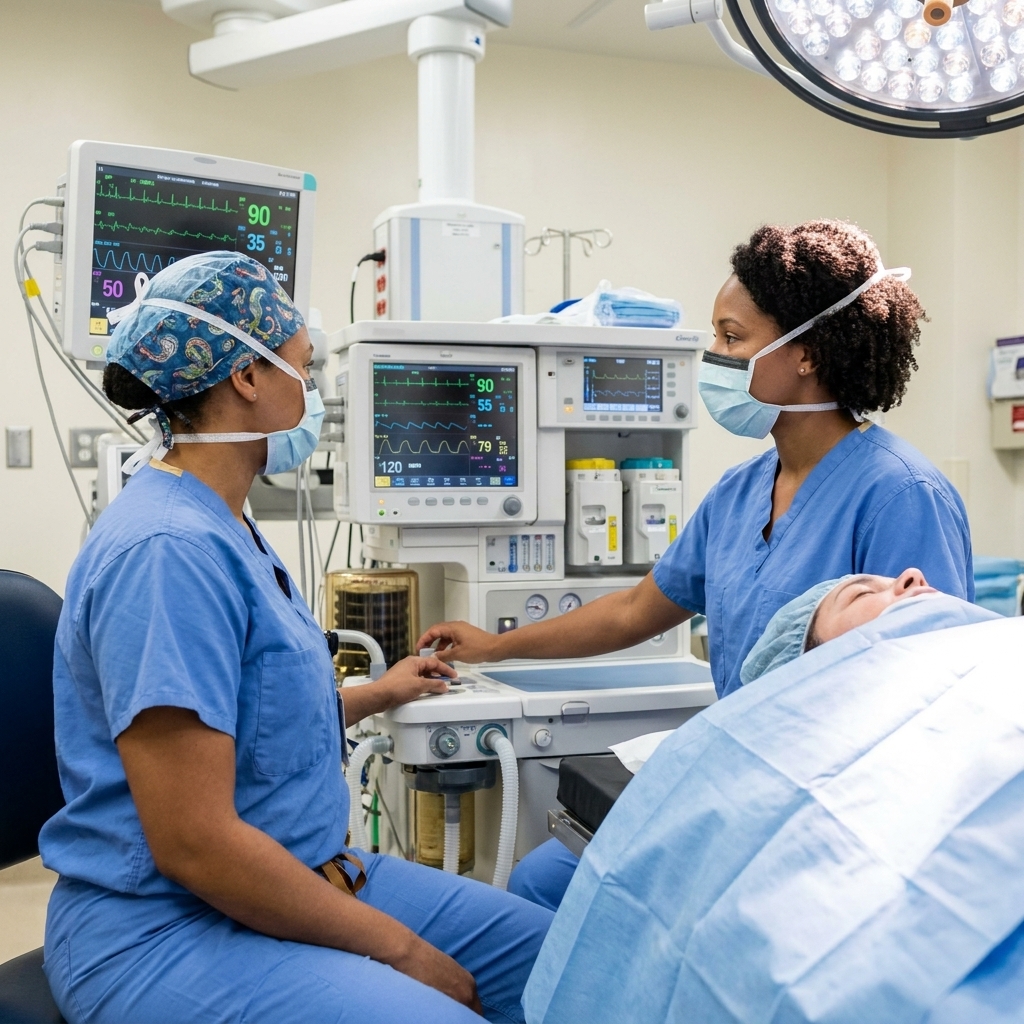
8) Operating Room Nurse (CNOR)
Why people choose it: Highly specialized skills, strong teamwork, and a clear role in patient safety. Often a different pace than bedside floors.
What you do
Circulate or scrub in surgical procedures, maintain sterile technique, coordinate equipment and implants, and advocate for the patient under anesthesia.
Education and clinical steps
- RN licensure.
- Perioperative training program (many hospitals offer structured OR residencies).
- Accumulate perioperative practice hours before attempting certification.
Certifications you need
- CNOR (Certified Nurse Operating Room) is the widely recognized credential.
- Depending on specialty: training for robotics, orthopedics, or specialty service lines.
Best fit if: You are detail-oriented, calm, and comfortable speaking up when something is not right.

9) Labor and Delivery Nurse (RNC-OB)
Why people choose it: High-impact work and strong patient connection during a major life moment. Also a specialty with real clinical intensity.
What you do
Monitor labor, assist with vaginal deliveries and cesarean births, provide fetal monitoring, manage postpartum recovery, and educate families.
Education and clinical steps
- RN licensure.
- Work in L&D to build skill with fetal monitoring, labor management, and emergency interventions.
- Many units cross-train with postpartum or triage depending on staffing models.
Certifications you need
- RNC-OB (Inpatient Obstetric Nursing) certification is a respected credential.
- Depending on your role and unit focus, some nurses also pursue additional NCC options, such as fetal monitoring-focused credentials.
- Many employers also expect NRP (Neonatal Resuscitation Program).
- Often: BLS; sometimes ACLS depending on unit policy.
Best fit if: You can handle unpredictability, communicate clearly in emergencies, and provide calm reassurance.
10) Flight Nurse or Transport Nurse (CFRN)
Why people choose it: High autonomy, adventure, and advanced clinical decision-making in challenging environments.
What you do
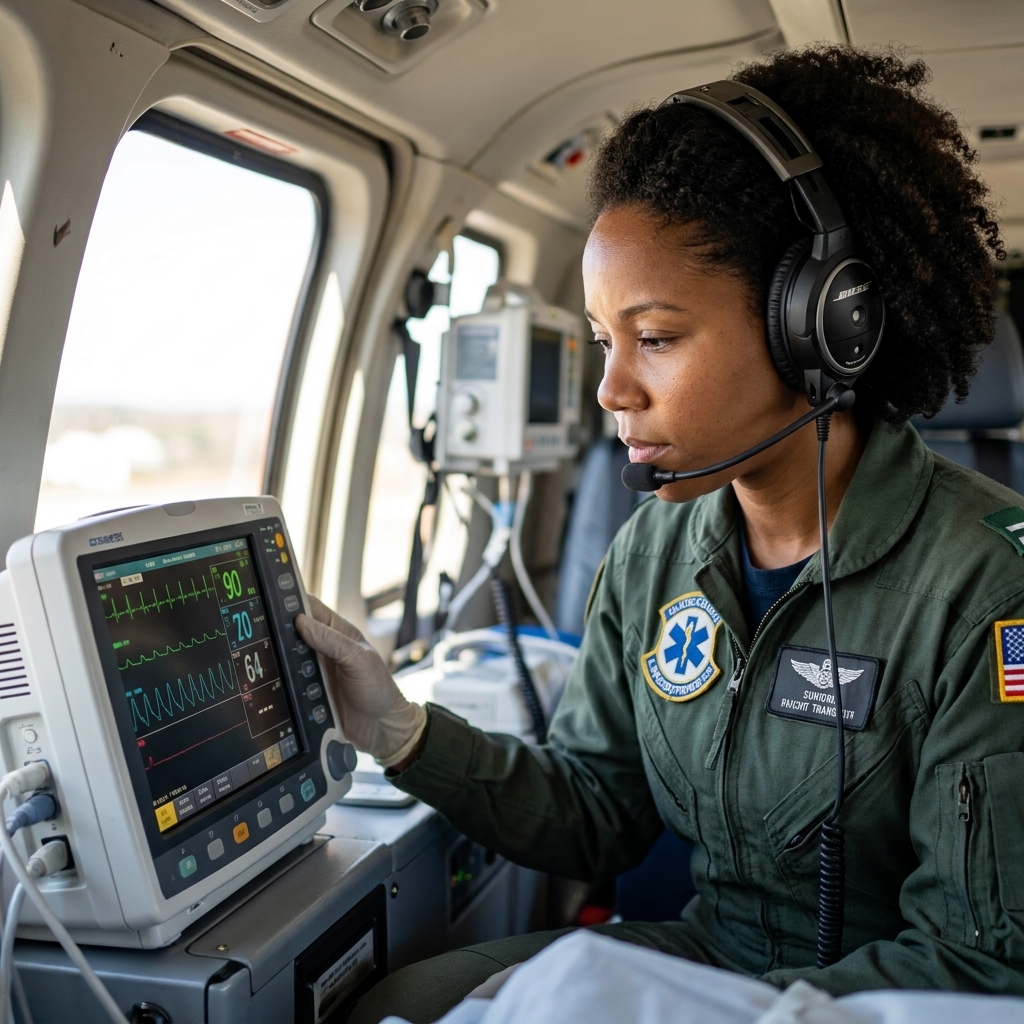
Provide critical care during helicopter or fixed-wing transport, or in specialized ground critical care transport, stabilizing patients while coordinating with sending and receiving teams. Some teams focus on adult critical care transport, while others specialize in pediatric or NICU transport.
Education and clinical steps
- RN licensure and strong acute care background.
- Experience requirements vary. Many services look for 2 to 5+ years in ICU and/or ED, plus documented high-acuity skills.
- Comfort with ventilators, drips, invasive monitoring, and trauma care.
Certifications you need
- CFRN (Certified Flight Registered Nurse) or related transport certification depending on role.
- Usually BLS, ACLS, PALS.
- Common add-ons: trauma courses such as TNCC and other employer-required safety training.
Best fit if: You stay calm with limited resources, communicate crisply, and enjoy protocols plus independent judgment.
How to choose the right specialty
If you are torn between a few paths, try this simple, judgment-free approach.
- Start with your “energy audit.” Do you feel most energized by deep relationships (oncology, L&D), fast turnover (ED), high acuity (ICU, transport), or systems work (informatics)?
- Pick a specialty you can sample. Ask to shadow for 4 hours. One shadow shift can save you a year of guessing.
- Try a lower-risk test drive. Internal transfers, float pools, per diem shifts, and cross-training can help you sample a specialty without feeling locked in.
- Check the schedule reality. Call, weekends, and holidays can be manageable if you plan for them, but not if you are surprised by them.
- Map the credential ladder. If a path requires a graduate degree, price it out, look for tuition reimbursement, and confirm clinical hour logistics.
If you are supporting a family or transitioning from the military, choosing a specialty is not just about passion. It is also about predictability, benefits, and long-term mobility. You are allowed to prioritize stability.
FAQ: Specialization and nursing certifications
Do I need a BSN to specialize?
Not always. Many specialty certifications are available to RNs with an ADN plus required practice hours. But for advanced practice roles (NP, CRNA) and many leadership tracks, a BSN is commonly required and an MSN or DNP is the next step.
How long does it take to earn a specialty certification?
Most require a minimum amount of practice hours or time in the specialty before you can sit for the exam. A realistic plan is 12 to 24 months of focused experience, then test prep, then the exam.
Will my employer pay for certifications?
Many hospitals and health systems offer reimbursement for certification exam fees, review courses, and renewal costs. Ask HR and your unit educator what is covered and what service commitment is required.
What impacts pay the most in specialized nursing?
Pay can vary widely by region, union status, specialty demand, shift differentials, call requirements, inpatient versus outpatient settings, and overtime. Advanced practice roles tend to have higher base pay, while many RN specialties increase earnings through differentials and hard-to-fill schedules.
What if I want a higher-paying role but cannot go back to school right now?
Target a certification-based move first. For example, moving from med-surg into ICU or ED, then earning CCRN or CEN, can increase your options and your bargaining power without graduate school right away.
Your next steps
If you are ready to move from “interested” to “on track,” here is a simple plan you can finish this week:
- Choose two specialties from the list that you would genuinely shadow.
- Pull up 5 job postings for each specialty in your area and write down the top 3 recurring requirements (certs, years of experience, shift expectations).
- Book one shadow or informational interview with a nurse in that unit.
- Make a 6-month skills plan with your manager or educator, including the certification you want to work toward.
You do not have to have your whole career mapped out today. You just need a next step that is realistic for your life and moves you toward more stability, more impact, and a role that feels like it fits.