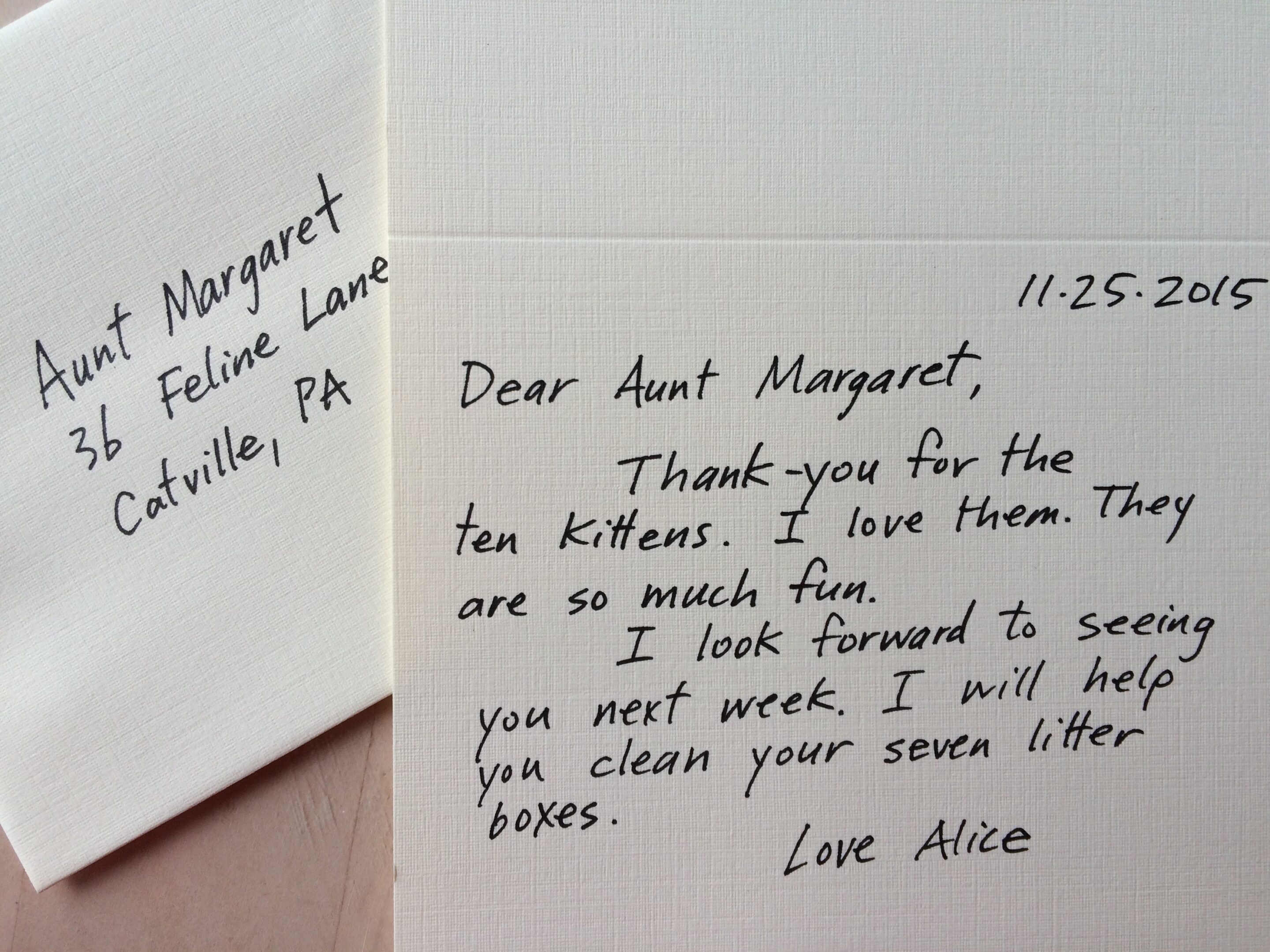
A crisp fold and a fresh perspective.
If that line feels a little cryptic, here is what I mean: a LinkedIn thank-you should be neat, intentional, and low-pressure, like a small finishing touch. After an interview, it is normal to wonder whether LinkedIn is the right place to say thanks. The short version: a LinkedIn note can be a smart, professional touch, but it works best as a light add-on to a direct thank-you message sent through email (or the company’s recruiting system). Think of LinkedIn as the small handshake after the real follow-up, not the follow-up itself.
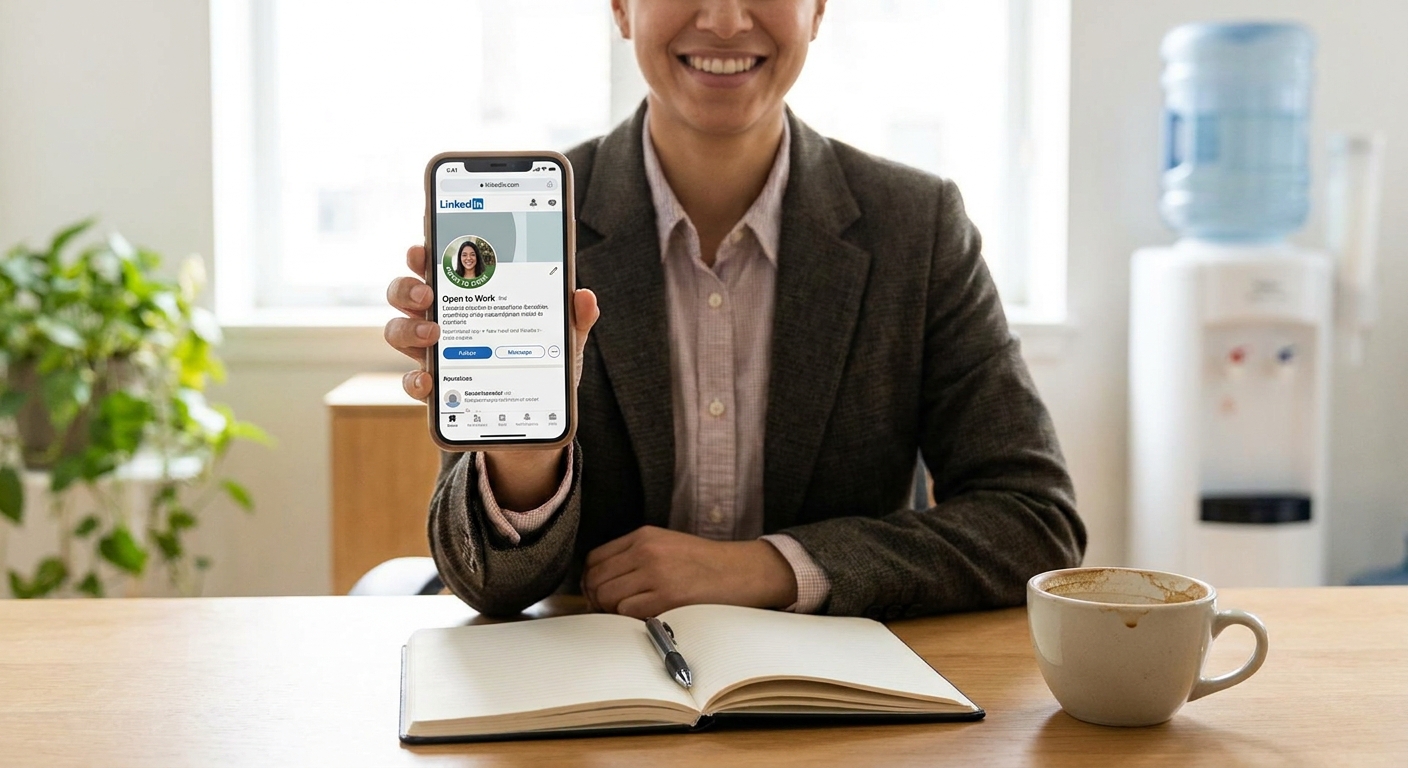
Is it appropriate to thank an interviewer on LinkedIn?
Usually, yes, as long as you keep it brief and respectful.
LinkedIn is built for professional networking, and many interviewers are comfortable with candidates using it, especially in industries where LinkedIn is part of everyday work life. A simple connection request or short message can:
- Reinforce your professionalism without taking much of their time.
- Help your name stick, especially if they are meeting many candidates.
- Keep the door open for future roles even if this one does not work out.
That said, you never want your message to sound like you are trying to pressure a decision or start negotiating in DMs.
LinkedIn is a supplement
If you only do one thing, make it the direct thank-you note through the channel the hiring team is using. In most cases, that means email to the recruiter or interviewer, or a message through the scheduling or candidate portal if that is the norm.
LinkedIn is best for:
- A quick connection request after you have already emailed thanks.
- A short appreciation message if email addresses were not shared.
- A professional way to stay connected for future opportunities.
Best timing
Option A: Email first, then LinkedIn
A good rhythm is:
- Within 24 hours: send your thank-you email.
- Later that day or the next day: send a LinkedIn connection request with a short note.
This order can signal that you understand the standard etiquette and that you are not trying to move the conversation onto a more casual channel.
Option B: If you cannot email
If you only have their name and company (no email, no recruiter contact), a LinkedIn message within 24 to 48 hours is reasonable. Keep it extra tight, and avoid anything that looks like you are asking for an update.
When to wait
Consider holding off if:
- The interviewer explicitly said to communicate through the recruiter only.
- The industry is very formal, or relationship-building is typically handled later. This can be true in some finance, law, and government environments.
- You interviewed for a role that involves sensitive work, and the team keeps a low profile online.
Request or message?
A connection request note is the sweet spot
If you can include a short note with your connection request, it is often the most natural approach. It keeps the touch lightweight and gives them the choice to accept when they have time.
A direct message works when you are connected
If you are already connected, a brief thank-you message is fine. If you are not connected, sending a full message can come across as more intense than necessary.
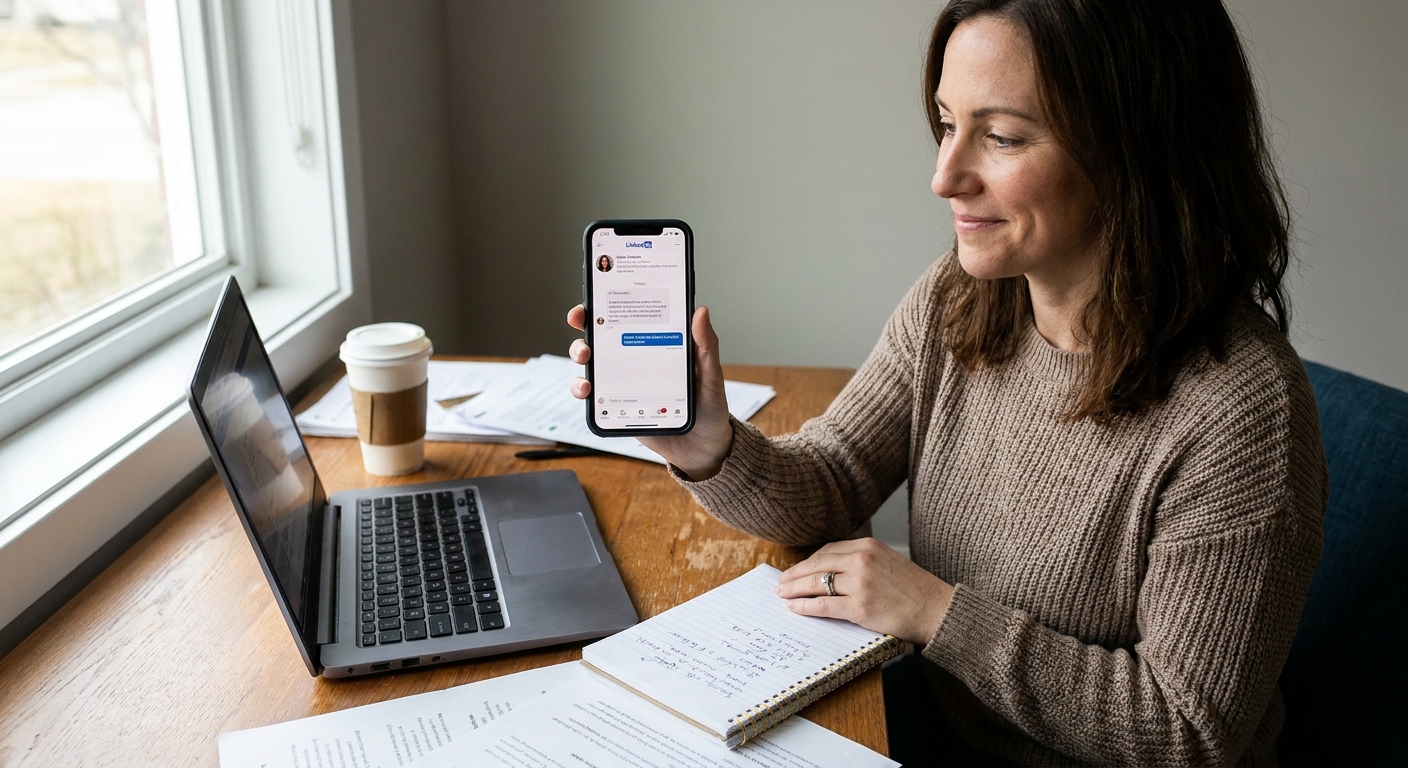
What to say
What to include
- A clear reminder of who you are and which role you discussed.
- One specific detail from the conversation to make it feel real and not copy-pasted.
- A simple thank you and a professional close.
What to avoid
- Do not ask for an update in the thank-you message.
- Do not pitch yourself again with a long list of achievements.
- Do not add attachments unless they requested something.
- Do not overdo enthusiasm or flattery. Keep it steady and work-focused.
Also: if you are tempted to send multiple LinkedIn messages, do not. One clean touch is plenty.
How to avoid sounding pushy
LinkedIn can feel more personal than email. That is why a small message can feel like a lot if it asks for too much.
To keep the tone professional:
- Use neutral language: “Thank you for your time” lands better than “Just circling back again.”
- Keep it short: aim for 2 to 4 sentences.
- Skip urgency cues: no “ASAP,” no “quick question,” no “wanted to bump this.”
- Respect boundaries: if they do not accept the request, do not follow up about it.
Quick note on limits
Connection request notes can be surprisingly tight depending on how you send them (mobile, desktop, or whether LinkedIn changes the limit). Have a one-sentence fallback ready so you are not forced into awkward shortening.
One-sentence fallback: “Hi Sarah, thank you again for the conversation about the Marketing Manager role at Juniper Labs, I would be glad to connect here.”
Finding the right profile
If the interviewer is hard to find, or there are multiple people with the same name, take an extra minute to confirm you have the right person. Check the company page, look for a matching title or location, and when in doubt, ask the recruiter for the correct LinkedIn profile.
One more quiet check: review your visibility settings before you browse, especially if you prefer not to broadcast profile views or job-seeking signals during an active interview process.
Sample LinkedIn notes
1) Connection request note (after your email)
Hi Sarah, thank you again for speaking with me today about the Marketing Manager role at Juniper Labs. I enjoyed learning how the team is approaching the product relaunch this fall. I would be glad to connect here on LinkedIn.
2) Connection request note (if you cannot email)
Hi David, thank you for taking the time to meet with me about the Data Analyst role at Northwind Health. I appreciated our conversation about how you are measuring patient wait times across clinics. I would welcome the chance to connect.
3) Thank-you message (if you are connected)
Thanks again for your time today, Priya. I enjoyed our conversation about the customer onboarding workflow, and I am excited about the direction of the team. Please let me know if I can provide anything else.
4) Panel interview (a note for each person)
Hi Miguel, thank you for meeting with me for the Project Coordinator interview. I appreciated your perspective on how your team keeps cross-functional projects moving without constant meetings. I would be glad to connect.
Tip: personalize one detail per person. Even a small change makes it feel considerate.
If they do not accept
A non-response is not necessarily a negative signal. People miss notifications, do not check LinkedIn often, or keep a strict connections policy.
What to do:
- Do not resend the request right away.
- Continue through the formal process with the recruiter or hiring team.
- Stay professional if you meet them again in later rounds.
If you receive an offer or move forward, it is fine to send a connection request later, once you are past the decision stage.
Quick checklist
- Did you already send a standard thank-you through email or the company’s channel?
- Is your note under 4 sentences?
- Did you mention the role and one specific conversation detail?
- Did you avoid asking for status, timelines, or feedback?
- Does it read calm and confident, not urgent?
Bottom line
Thanking an interviewer on LinkedIn can be a thoughtful, modern professional move when you keep it simple. Send your direct thank-you first, then use LinkedIn to gently reinforce the connection. One short note, one time, is the cleanest fold.