
Few things spike anxiety like seeing the words positive drug test connected to a job you need. I grew up in a working-class family where one missed paycheck could knock everything off track, so I do not take that fear lightly. The good news is that a “positive” result often triggers a process, not an instant disqualification. There are checks and balances built in, and you may have the opportunity to explain legitimate medications before an employer makes a final decision.

Below is what typically happens, what you can do right away, and what choices an employer may make next.
First, what “positive” means
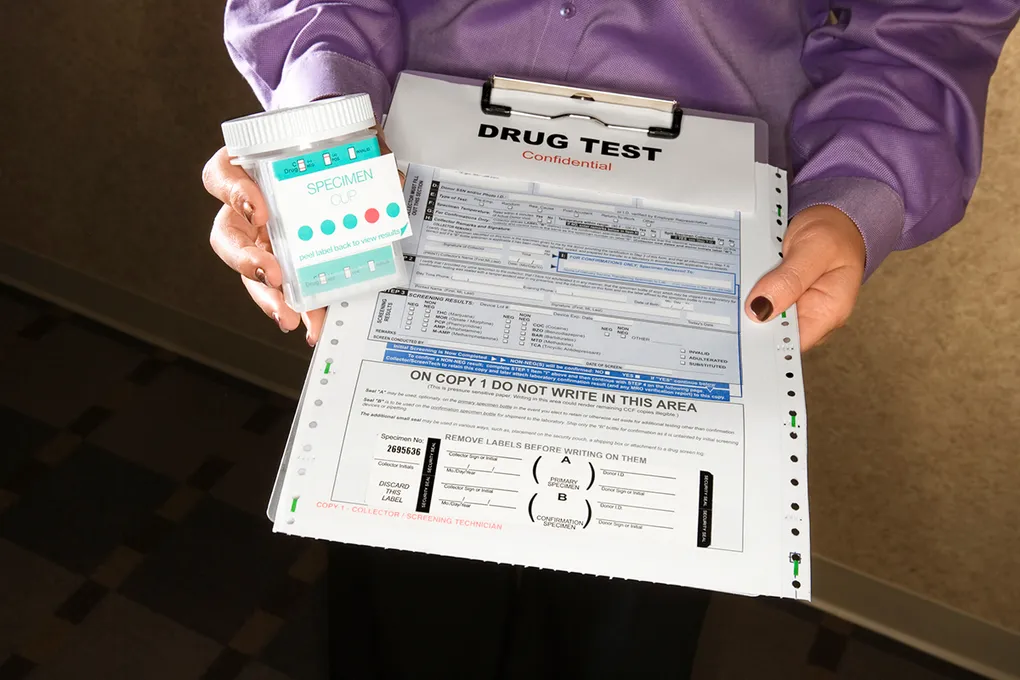
In most workplace testing programs, a positive drug test means the laboratory detected a drug or drug metabolite above a cutoff level set by the test program. Many lab-based programs use a two-step process (an initial screen followed by a confirmation method) to reduce false positives.
Just as important: in MRO-reviewed laboratory programs, many employers do not treat a lab “positive” as final until it has been reviewed by a Medical Review Officer (MRO), a licensed physician trained to interpret workplace drug test results and verify whether there is a legitimate medical explanation.
DOT vs non-DOT basics
Not all drug testing programs work the same way. DOT-regulated testing (for certain transportation jobs) has specific federal rules, including MRO involvement and defined procedures. Non-DOT employer testing can look similar, but policies vary widely by employer, vendor, and state law.
That is why you may hear very different experiences from friends. One person may get an MRO call, another may only hear from HR, and some rapid or point-of-collection testing programs may not involve an MRO at all.
Typical timeline
Every employer and testing program is a little different, but the flow below is common for lab-based, MRO-reviewed pre-employment testing.
1) The lab reports to an MRO
If a result is non-negative (positive or otherwise needing review), the lab typically sends it to the MRO rather than directly to the employer as a final result.
2) The MRO tries to contact you
The MRO (or the MRO’s staff) may call you to ask whether there is a legitimate medical explanation, such as a prescription medication. This call can feel intimidating, but it is a normal part of the process.
- Answer unknown numbers for a few days if you are expecting results, and make sure your voicemail box is set up.
- Respond quickly if the MRO leaves a message. Delays can shorten your window to provide documentation.
3) You may be asked for documentation
If you tell the MRO you have a prescription (or another valid medical explanation), you may be asked to provide proof. Typically that means prescription details, the prescribing provider’s information, or pharmacy records.
4) The MRO reports a verified result
After review, the MRO generally reports one of these outcomes to the employer:
- Negative (for example, if a legitimate prescription explains the lab finding under the program’s rules)
- Positive (verified positive)
- Cancelled or no test (in some circumstances the test may not be reportable as positive or negative)
Then the employer decides what to do next based on company policy, job requirements, and applicable laws.
How long it can take
As a general range, many negative results come back in about 1 to 3 business days. If MRO review is needed, it can add several more days, especially if the MRO has trouble reaching you or you need time to obtain documentation. Timelines vary by lab, test type, and employer workflow.
What “cancelled” can mean
A “cancelled” or “no test” result is not the same as a verified positive. It can happen for reasons that have nothing to do with drugs, such as an insufficient specimen, a temperature issue at collection, a lab processing problem, or an invalid result under program rules.
Employers handle this differently. Some will send you for a recollection. Others may treat it as a policy issue depending on the circumstances. If you see “cancelled,” ask what the next step is and follow instructions closely.
What to do right now
If you are using medication that could affect a drug test result, the best time to get organized is before anyone calls you.

- Gather documentation now. Have your pharmacy contact info, prescription number, and prescriber name available. If you have an online pharmacy portal, make sure you can log in.
- Keep it factual and minimal. If the MRO asks, you only need to explain what is relevant: the medication, that it was prescribed to you, and how to verify it.
- Check your contact information. Make sure the employer and testing program have your correct phone number and email.
- Do not panic-message the recruiter. In most cases, the recruiter cannot override the process and may not even have details. Let the review happen first.
If you have questions about how to obtain records, call your pharmacy. They do this all the time.
If the MRO calls
When the MRO contacts you, their job is to determine whether there is a legitimate medical explanation for the lab finding. They are not there to judge you or negotiate with the employer.
What you may be asked
- The name of the medication and when it was prescribed
- The prescribing clinician’s name and contact information
- The pharmacy name and phone number
- Whether you have paperwork or can obtain verification
What you should say
Be direct and calm. A simple script can help:
“Yes, I have a current prescription that may explain this result. I can provide my pharmacy and prescriber information for verification. What is the best way to send documentation?”
If you are a military veteran using care through the VA, it is still okay. Just be ready with the VA pharmacy details or whatever documentation the MRO requests. I have seen this go smoothly for many veterans once the right verification was provided.
Medications that can trigger positives
I cannot diagnose a test result, and you should not stop a prescribed medication just to try to “fix” a drug test. But in recruiting and admissions work, I have seen people get blindsided by totally legitimate prescriptions.
- ADHD stimulants that can show up as amphetamines
- Opioid pain medications that can trigger an opiate or opioid result
- Benzodiazepines for anxiety or sleep that can appear on benzo panels
If it is prescribed to you, the correct next step is documentation and the formal review process, not guessing or self-medicating.
What employers may do next
If the result is reported to the employer as a verified positive, the employer usually follows a written policy. Common next steps include:
- Rescinding the offer (very common for safety-sensitive roles)
- Pausing the start date while HR reviews the situation
- Allowing you to reapply later after a waiting period
- Continuing the hiring process in limited situations where policy or local law provides flexibility
One nuance that matters: an MRO can verify a test as negative from a medical-review standpoint if a valid prescription explains it under the program rules. Even then, an employer may still have job-related restrictions, fitness-for-duty standards, or safety policies that limit certain medications in certain roles. That becomes an HR and medical clearance conversation, not a debate with the MRO.
Whether there is flexibility often depends on the role (for example, driving, patient care, or operating heavy equipment), the employer’s contracts, insurance requirements, and any state or local rules.
Retest or dispute options
Sometimes there is an option to dispute the result, but it depends on the testing program and the employer’s policy. If you believe the result is wrong, be professional and act quickly.
Ask these questions
- Is there a formal process to dispute the result through the MRO?
- Was a split specimen collected (if the program uses one), and can the split be tested as permitted by the program?
- What is the deadline to request a review?
Keep your communications short and documented. You are trying to show that you are organized and acting in good faith.
What not to do
When you are stressed, it is tempting to look for quick fixes. Protect yourself by avoiding anything that could create bigger problems than the result itself.
- Do not lie to the MRO or employer. A dishonesty issue can follow you longer than a single withdrawn offer.
- Do not harass the recruiter for details they may not have.
- Do not take advice about “beating” a test. Focus on legitimate documentation and the formal review process.
If the offer is pulled
If the employer withdraws the offer, it hurts. It can also be a turning point where you regain control quickly.
- Ask what policy applied. You may not get details, but it is reasonable to request clarity on whether it was policy-based and whether you can reapply later.
- Know your FCRA rights when a third party is involved. If a third-party background screening company handled the test or reporting, U.S. employers often must follow the Fair Credit Reporting Act (FCRA) process for adverse decisions, which can include a pre-adverse action notice, a copy of the report, and a chance to dispute inaccuracies. Ask who the screening company was and how to submit a dispute if needed.
- Recalibrate your job target list. Some industries and roles are stricter than others, especially safety-sensitive work.
- Keep applying immediately. One employer’s policy is not every employer’s policy.
- If you have a substance use concern, get support. A confidential conversation with a healthcare professional can protect your health and your career.
If you are a veteran, consider connecting with a local workforce office or a veteran employment program for job leads that match your situation and timeline.
FAQ
Will the employer call me first?
Often, no. In many lab-based, MRO-reviewed programs the MRO contacts you first. In other setups, especially smaller non-MRO or rapid testing programs, you may hear from HR instead.
Does a prescription automatically make it negative?
Not automatically. The MRO may verify whether the prescription is valid and whether it explains the lab finding under the testing program’s rules. If it does, the result may be reported as negative. Separately, the employer may still have job-related or safety rules that affect hiring or placement.
Can I lose the offer if marijuana is legal where I live?
Yes. Many employers still test for THC and enforce a drug-free workplace policy, especially for federally regulated or safety-sensitive roles. Some states and cities limit when and how employers can test for cannabis, so local rules matter.
Will a positive show up on a background check?
Typically, drug test results are handled separately from a criminal background check and treated as confidential screening information. That said, results may be stored by the testing vendor and or employer, and they could be disclosed later if you sign a release, or shared within certain industry consortium and third-party administrator arrangements.
A final word
If you are facing a possible positive result, your goal is simple: respond quickly, stay professional, and document anything legitimate. You do not have to overshare, and you do not have to spiral. Follow the process step by step, and remember that one hiring decision does not define your entire career.