A crisp fold and a fresh perspective.
Your Social Security number is not just another box on a form. It is one of the most valuable pieces of personal information you have. So it makes sense to pause when an application asks for it and to wonder: is this normal, or is this a risk?
Here is the practical rule I keep neatly creased: in most cases, you can wait to provide your Social Security number until later in the hiring process, when you have verified the employer and there is a real reason to collect it, like a background check authorization or payroll setup.

When it is normal to be asked for your SSN
There are a few moments where providing your Social Security number can be a standard, legitimate part of getting hired. The key is timing and context.
After a conditional offer
A conditional offer is a real offer that is contingent on specific steps, like a background check, reference checks, or verifying credentials.
Once you are in offer and onboarding territory, employers generally need your SSN for payroll and tax reporting.
For payroll and tax forms
After you accept an offer and are moving into onboarding, employers typically collect your SSN so they can report wages and taxes and set you up in payroll systems.
One nuance that matters: the federal Form I-9 (employment eligibility verification) does not require an SSN in all cases. Some employers will ask for it as part of their onboarding packet anyway, and it may be required if the employer uses E-Verify. But the core reason employers need your SSN is usually payroll and tax reporting.
When you authorize a third-party background check
Some screening processes may ask for your SSN to help match records accurately, especially if you have a common name.
If an employer uses a third-party background check company and the process falls under the federal Fair Credit Reporting Act (FCRA), you should receive a clear disclosure and you must authorize the report, often electronically. You should also be told who is running the check.
For government or regulated roles
Some government agencies, contractors, and highly regulated employers may request an SSN earlier because of security, credentialing, or compliance requirements. Even then, you should still expect a secure process and a clear explanation for why it is required at that stage.
When to wait before sharing it
If you are at the early “hello, I am applying” stage, it is usually reasonable to hold back.
- Before an interview or serious recruiter contact: If you have not spoken with anyone and there is no real hiring step in motion, you generally do not need to share an SSN.
- When a posting or form feels generic: If the job listing is vague, the company name is unclear, or the site seems thrown together, treat an SSN request as a stop sign until you verify details.
- When the form says it is “required” but cannot explain why: A legitimate employer should be able to tell you what the SSN is for and when it is truly necessary.
If an online application forces the SSN field and you cannot submit without it, consider these options:
- Look for an alternate option such as “I will provide later,” “not available,” or an option to provide only the last four digits.
- Leave it blank if the field is optional and the system allows it. Do not use a fake SSN.
- Confirm you are on the employer’s official career site (not a copycat listing). If it is a major employer, apply through the verified careers page on their official website.
- Contact HR or recruiting through a verified channel and ask whether you can provide it after an offer or during onboarding.
- Skip the application if the request feels unnecessary, rushed, or unsafe.

How to verify the employer
Before you share your SSN, you want to be confident that the employer is real, the job is real, and the system collecting your information is legitimate.
Do a quick identity check
- Go to the company’s official website and navigate to Careers from there, rather than trusting a link in a message.
- Confirm the role exists on the employer’s site and matches the details you were given.
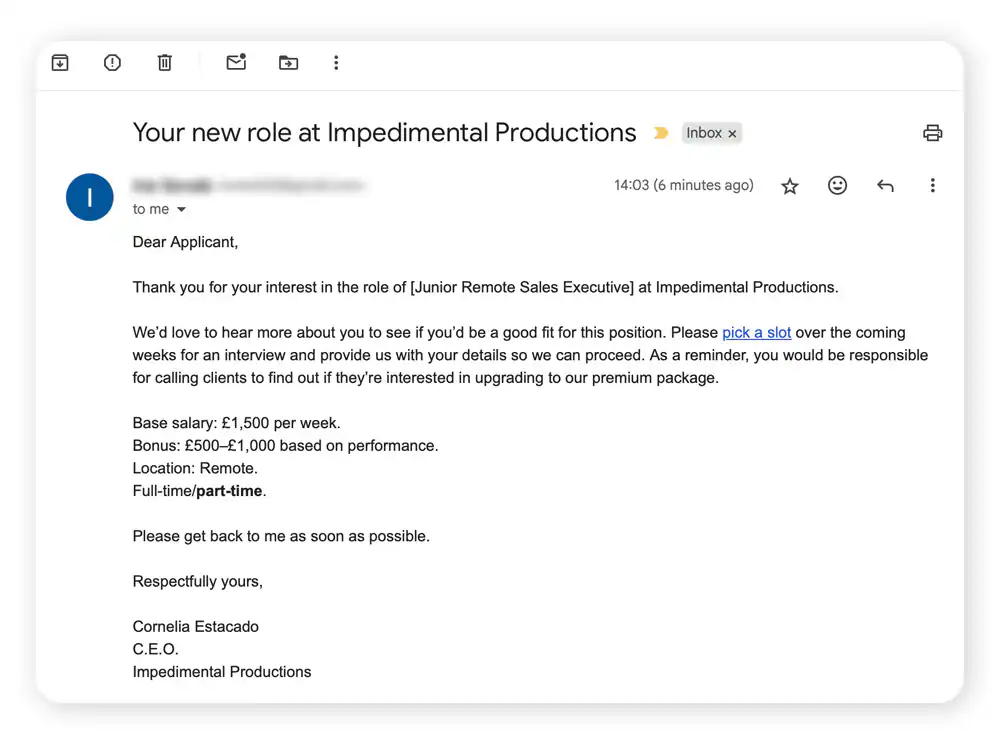
- Check the email domain of anyone contacting you. A real employer typically uses a company domain, not a free personal address.
- Look up the recruiter or hiring manager on the company’s website or a professional profile and see if the details line up.
Confirm the collection method is secure
When it is time to provide your SSN, you should be guided to a secure portal or a reputable background check or onboarding provider. As a baseline, look for a legitimate company name, clear instructions, and a secure web address (https).
Red flags to watch for
An SSN request is not the only warning sign. Slow down if you notice any of these:
- Pressure tactics: “Send it in the next 10 minutes or you lose the role.”
- Interview by text only: No real interview, no company email address, no one willing to speak live.
- Mismatched details: The recruiter’s email domain does not match the company, or the job description changes across messages.
- Upfront money or check schemes: They “hire” you quickly, then send a check for equipment and ask you to send money back or buy gear from a specific vendor.
Avoid sending your SSN through these channels
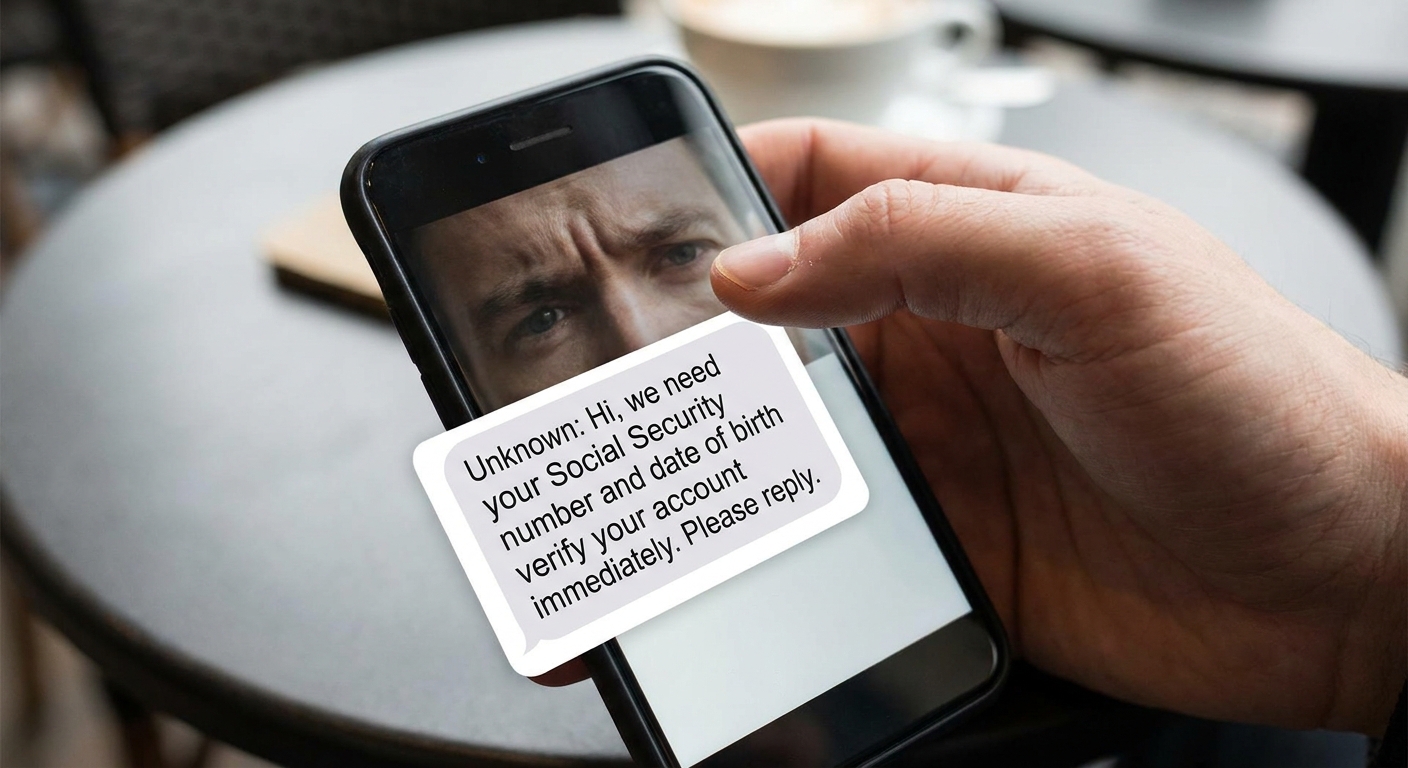
This is the firm fold: avoid sending your SSN by personal email, text message, or direct message, even if someone sounds official. If a company asks, it might be a sign of poor security practices at best, and a scam at worst. You are allowed to insist on a safer process.
- Personal email: Email can be forwarded, compromised, or accessed on multiple devices. It is not a secure way to transmit SSNs.
- Text messages: Phones get lost, accounts get hijacked, and texts are easy to screenshot or misdirect.
- Unverified contacts: If you have not confirmed the employer and the role through an official channel, do not share an SSN, even “just to get started.”
If someone insists you must send your SSN quickly through one of these methods, stop the process and verify independently.
What to say if asked too early
If you want a simple script that stays professional and protects you, try one of these:
- Option 1: “I am happy to provide my Social Security number once we reach the background check or onboarding stage through your secure process.”
- Option 2: “Could you share why you need it at this stage and which portal or provider you use to collect it?”
- Option 3: “I do not send SSNs by email or text. If you can point me to the official onboarding link on your company site, I can complete it there.”
If you already shared your SSN
If you already provided your SSN and now you are worried, do not spiral. Take a few practical steps:
- Place a fraud alert or freeze your credit with the major credit bureaus (a freeze is the stronger step).
- Monitor your credit reports for new accounts or inquiries you do not recognize.
- Create or log in to your SSA account and watch for suspicious activity connected to your record.
- Consider an IRS Identity Protection PIN to reduce the risk of tax-related identity fraud.
- Report identity theft if needed at IdentityTheft.gov and follow the recovery checklist.
Quick decision guide
- Early application stage with no interviews yet: Usually wait.
- After a conditional offer: Often normal, but only through a verified and secure process.
- Third-party background check with clear disclosure and authorization: Can be normal, confirm the provider and the employer first.
- Asked to send SSN by email, text, or to an unverified contact: Do not do it. Ask for a secure portal or walk away.
FAQ
Is it illegal for a company to ask for my SSN on an application?
Laws vary by location and by context, and some employers have legitimate reasons to request it. But “can they ask” is different from “should you provide it right now.” If it is early in the process and the reason is unclear, it is reasonable to wait and ask for a secure alternative.
What if the application requires an SSN and will not let me submit?
First, double check you are on the employer’s real careers site. If you are, look for an alternate option like “will provide later” or last four digits. If there is none, contact the employer through a verified phone number or email address listed on their official website and ask how they handle SSNs for applicants.
Can I use a different number instead?
No. Do not enter a fake SSN. That can create payroll and tax problems later, and it can raise issues during screening. If you are not comfortable providing it yet, it is better to ask for an alternative or provide it later through the correct channel.
When is the safest time to provide my SSN?
Most people will provide it after a job offer, during onboarding, or during an authorized third-party background check process, using a secure portal from a verified employer or provider.
The fold to remember
Your Social Security number belongs in the later steps, not the first hello.
If you have not verified the employer, do not send it. If you have verified the employer and the request is tied to a real hiring step like payroll setup or a properly authorized background check, provide it only through a secure system, not by personal email or text.