Starting a new job comes with a burst of paperwork, and Form I-9 is one of the big ones. This is the federal form employers use to verify your identity and that you are authorized to work in the United States. It is separate from background checks and tax forms.
I like to tell clients to think of the I-9 as a “show and verify” moment, not a test. You bring original documents (not just a story about them), your employer reviews them, and you both complete the form within strict deadlines.
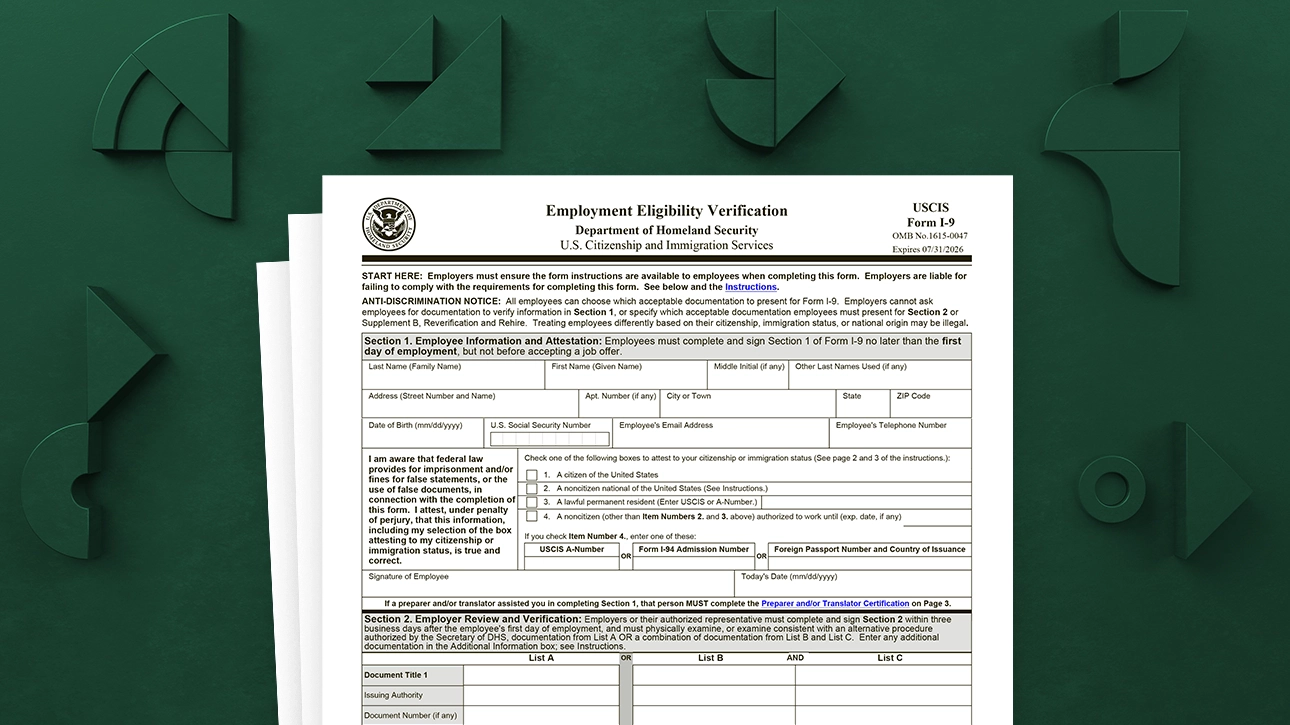
Below is how to choose what to bring, how List A, B, and C options work, and what to do if a document is pending so you do not accidentally delay your start date.
What the I-9 is (and is not)
Form I-9 is required for most employees hired in the U.S. It confirms two things:
- Identity (you are who you say you are)
- Employment authorization (you are allowed to work in the U.S.)
It is not the same as:
- A background check (criminal history, employment verification, credit in some cases)
- E-Verify (a separate electronic system some employers use shortly after the I-9 is completed)
- A drug test
Your employer must accept documents that reasonably appear to be genuine and relate to you. You should never offer false documents or misstate your status. If you are unsure which documents you can use, ask HR before your first day.
One important guardrail: employers can explain the rules and hand you the official lists, but they generally should not tell you which specific documents to present or ask for extra documents beyond what the I-9 requires.
When you need to show documents
Timing matters with the I-9:
- Section 1 (employee part) is completed no later than your first day of work for pay.
- Section 2 (employer review of documents) must be completed within 3 business days of your first day. If the job lasts fewer than 3 business days, it is due on day 1.
Practically, that means you should show up on day one with your documents in hand unless HR gives you a different plan.
How Lists A, B, and C work
The I-9 has three lists of acceptable documents. You do not bring everything. You bring either:
- One document from List A (proves both identity and work authorization), or
- One document from List B (identity) and one document from List C (work authorization)
You get to choose which acceptable documents you present, and your employer should not require you to use a particular one.
Quick decision guide
- If you have a U.S. passport or Permanent Resident Card, you are usually done with List A.
- If you do not have a List A document handy, a common combo is driver’s license (List B) + Social Security card (List C).
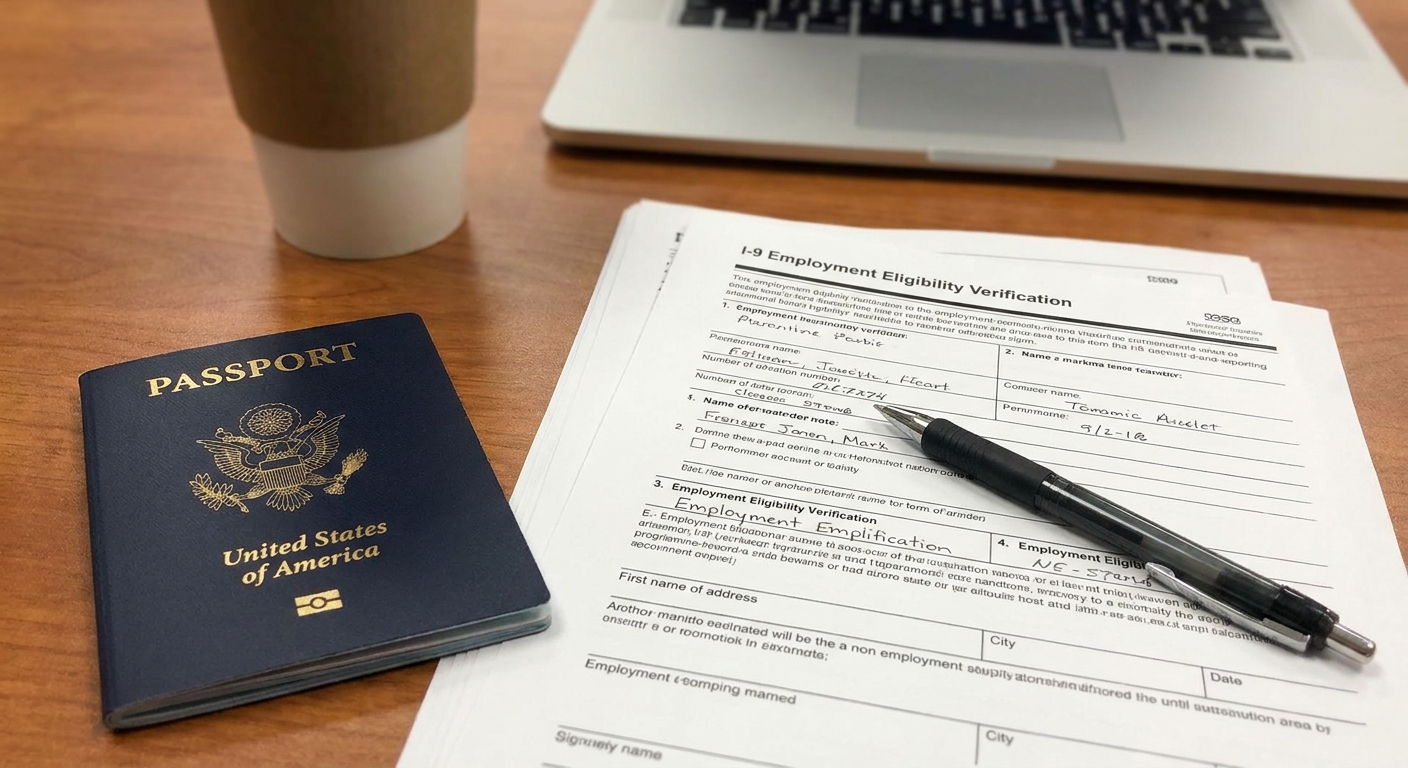
Common List A documents
List A documents can stand alone. Many new hires use one of these:
- U.S. passport or U.S. passport card
- Permanent Resident Card (also called a Green Card)
- Employment Authorization Document (EAD) with photo (for certain immigration categories)
- Foreign passport with a valid work-authorizing immigration document (for example, certain combinations involving an admission record)
Employers may also accept other List A items depending on your specific immigration category. If you are using an immigration-based document set, it is worth confirming with HR which exact combination is acceptable for your situation before day one.
Common List B documents
List B proves identity. It does not prove work authorization by itself. Typical List B options include:
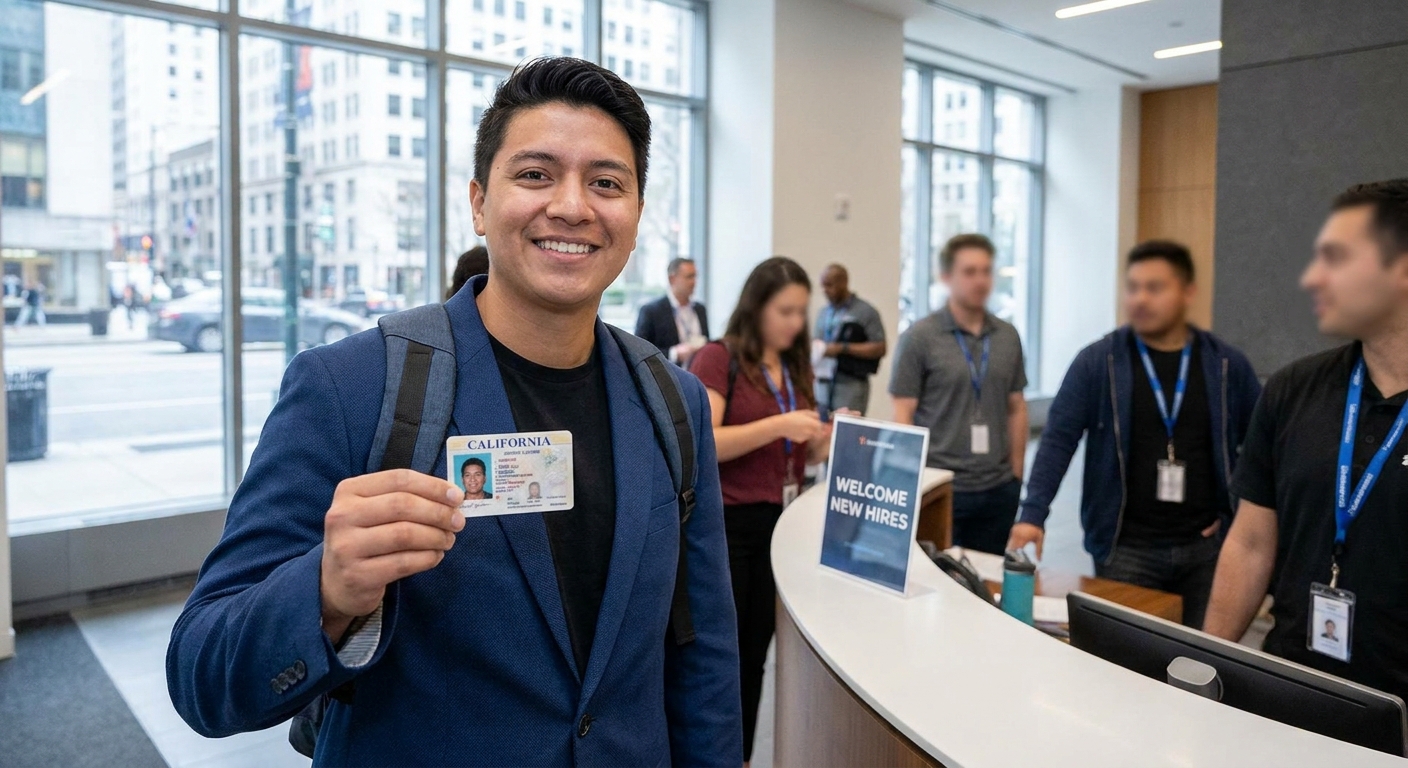
- State driver’s license
- State ID card
- School ID card with a photograph
- Military ID card or draft record
Some List B documents must include a photo or certain identifying information. If you are unsure, ask HR for the employer’s I-9 acceptable documents list and confirm your ID meets the requirements.
Common List C documents
List C documents prove you are authorized to work in the U.S., but they do not prove identity. Common List C options include:
- Social Security card (with some restrictions, explained below)
- U.S. birth certificate or certified copy of a birth certificate
- Certificate of Naturalization or Certificate of U.S. Citizenship
Social Security card note
Some Social Security cards are not acceptable for I-9 purposes, depending on wording printed on the card. If your card indicates work limitations (for example, that it is not valid for employment without separate authorization), tell HR and use a different List C document or a List A document if you have one.
What “original” means
In most cases, you must present original documents, not photocopies or a picture on your phone. There are limited exceptions, such as certain certified copies (for example, a certified copy of a birth certificate issued by a government authority).
If your employer is using a DHS-authorized remote or alternative document examination procedure, they may be allowed to review copies (often with additional steps). Follow your employer’s exact workflow and deadlines.
If your document is pending
This is the situation I see all the time: you are hired, you are excited, and then you realize your document is expired, lost, or still in the mail. Do not panic and do not guess. Here is the clean, professional approach:
1) Tell HR immediately
As soon as you know you will not have the needed document by day one, email or call your HR contact. Many delays become non-issues when there is early communication.
2) Ask whether a receipt is acceptable
In some cases, a receipt for a replacement document can be temporarily acceptable under I-9 rules, as long as you present the actual document within the required timeframe. Two big guardrails I always mention:
- Receipts are typically for replacements of documents you already had, not for a document you have never had.
- The receipt is usually only good for a limited period, and the employer has to follow USCIS rules on exactly which receipt types are allowed.
If you think a receipt might apply to you, ask HR to confirm the receipt category they will accept and the date by which you must show the actual document.
3) Bring an alternate document set if possible
If your passport is expired but you have a valid driver’s license and an acceptable List C document, bring those instead. Many people have more than one way to satisfy the I-9.
4) Do not present altered or borrowed documents
I know it is tempting when you are worried about losing a job offer, but using false documents can create serious legal and employment consequences. If you are stuck, the safest move is to talk with HR and, if needed, an immigration attorney or accredited representative.
Expired documents and reverification
One of the most common I-9 mistakes is showing up with an expired document.
- Identity documents used for I-9 generally need to be unexpired at the time you present them.
- Work authorization documents can have special rules in certain categories (including some automatic extension situations). If your authorization is time-limited, confirm with HR what is acceptable today and what you may need to show later.
Reverification is an employer process for time-limited work authorization. In general, U.S. citizens and lawful permanent residents do not get reverified just because a document has an expiration date.
Another common confusion: if a document is valid today, an employer should not reject it just because it has a future expiration date.
If you know your work authorization has an end date, set a reminder 90 days ahead and start renewal conversations early. It protects your paycheck and reduces last-minute stress.
Common special situations
Name mismatch
If the name on your document does not match the name you use for payroll, explain the situation to HR. If you already have supporting documentation, bring it. The goal is to help them reasonably connect the document to you, without turning it into a demand for extra paperwork. Employers still have to follow I-9 anti-discrimination rules.
Remote hires
Remote onboarding can still require document review within the same deadlines. Your employer may designate an authorized representative to examine your documents or use a DHS-authorized remote procedure. The employer remains responsible for compliance, which is why HR may be strict about timing and steps. Ask for the process in writing so you can follow it step by step.
Minors or first-time workers
Younger workers sometimes do not have a driver’s license or a Social Security card in hand. If this is you, start early and ask HR which alternatives are acceptable so you can gather them before your first shift. For example, some minors may use school records or a report card for identity in specific I-9 situations, depending on the rules and your employer’s process.
Veterans and military families
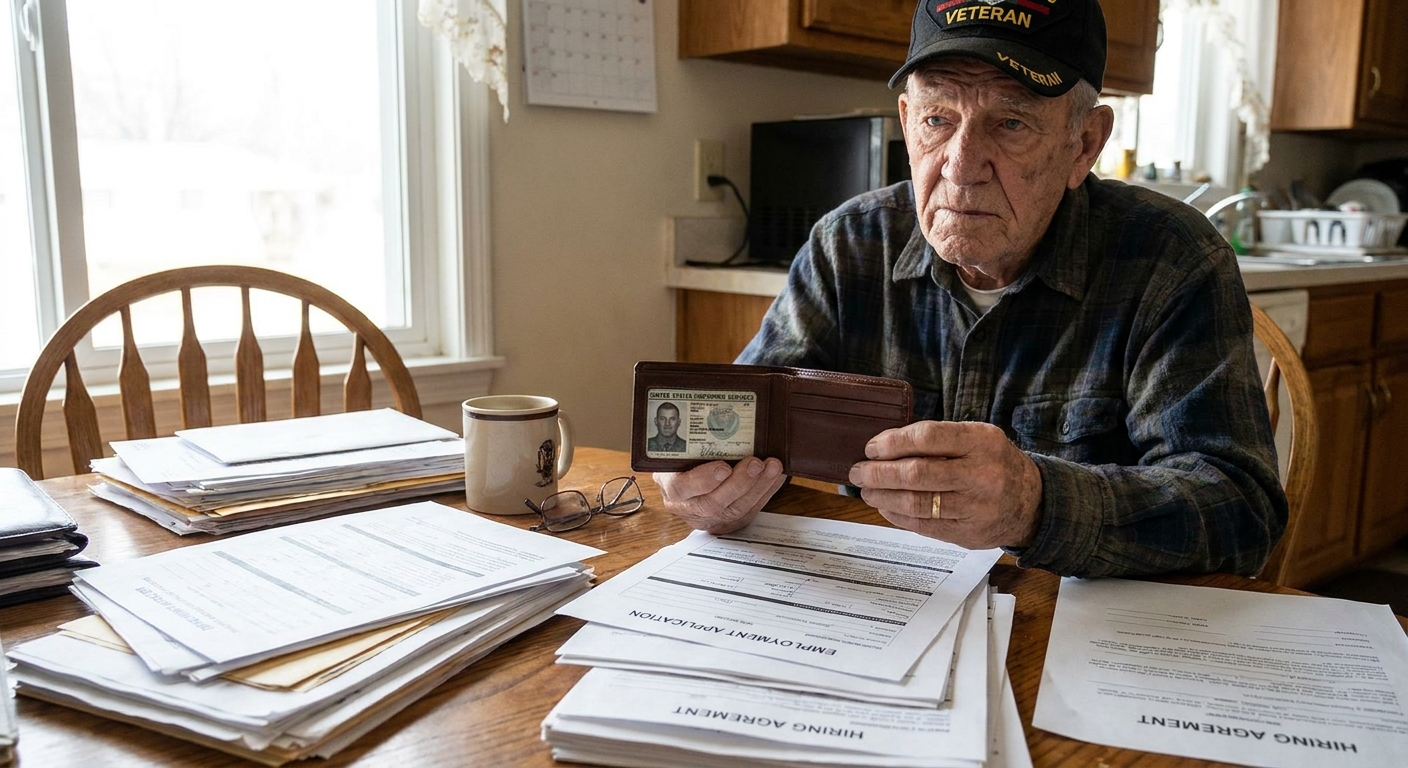
Many veterans have a military ID readily available, and it can be helpful for identity purposes. For work authorization, make sure you also have an acceptable List A document or a List C document. I mention this because I have seen veterans assume the military ID covers everything, and it usually does not.
First-day I-9 checklist
If you want the simplest way to prep, here is the checklist I recommend:
- Choose either one List A document or one List B plus one List C document.
- Confirm your documents are original and unexpired (unless HR confirms a specific exception or receipt rule applies).
- Pack your documents in a folder the night before so they do not get left on the counter.
- If anything is missing or delayed, email HR and ask what your options are.
FAQ
Do I bring my documents to the interview?
Usually, no. Most employers complete the I-9 after you accept an offer and start work. Some employers may ask you to bring documents sooner, but the I-9 itself is tied to onboarding and the first days of paid work.
Can my employer tell me which documents to bring?
They can give you the list of acceptable options and explain deadlines, but they generally should not tell you which specific documents you must present. You choose from the acceptable lists.
Can I use a photocopy or a picture on my phone?
Most of the time, no. I-9 verification generally requires original documents, with limited exceptions like certain certified copies. If your employer is using a DHS-authorized remote procedure, they will tell you what they need and how they will review it.
What if I lost my Social Security card?
Tell HR and use a different acceptable List C document if you have one, or use a List A document. You can also apply for a replacement Social Security card, and in limited situations a replacement receipt may be temporarily acceptable. Your employer will confirm what is allowed.
Will my employer keep copies of my documents?
Some employers choose to copy documents and store them with the I-9, and some do not. Practices vary, but they must do it consistently for all employees in the same category to avoid discrimination issues.
My best advice
If you have a straightforward List A document like a U.S. passport or Permanent Resident Card, bring that and make your first day smoother. If not, the driver’s license (List B) plus an acceptable List C document is a common path.
And if you are in a situation where your documents are pending, the sooner you communicate with HR, the more options you typically have. A calm, proactive email beats a day-one surprise every time.