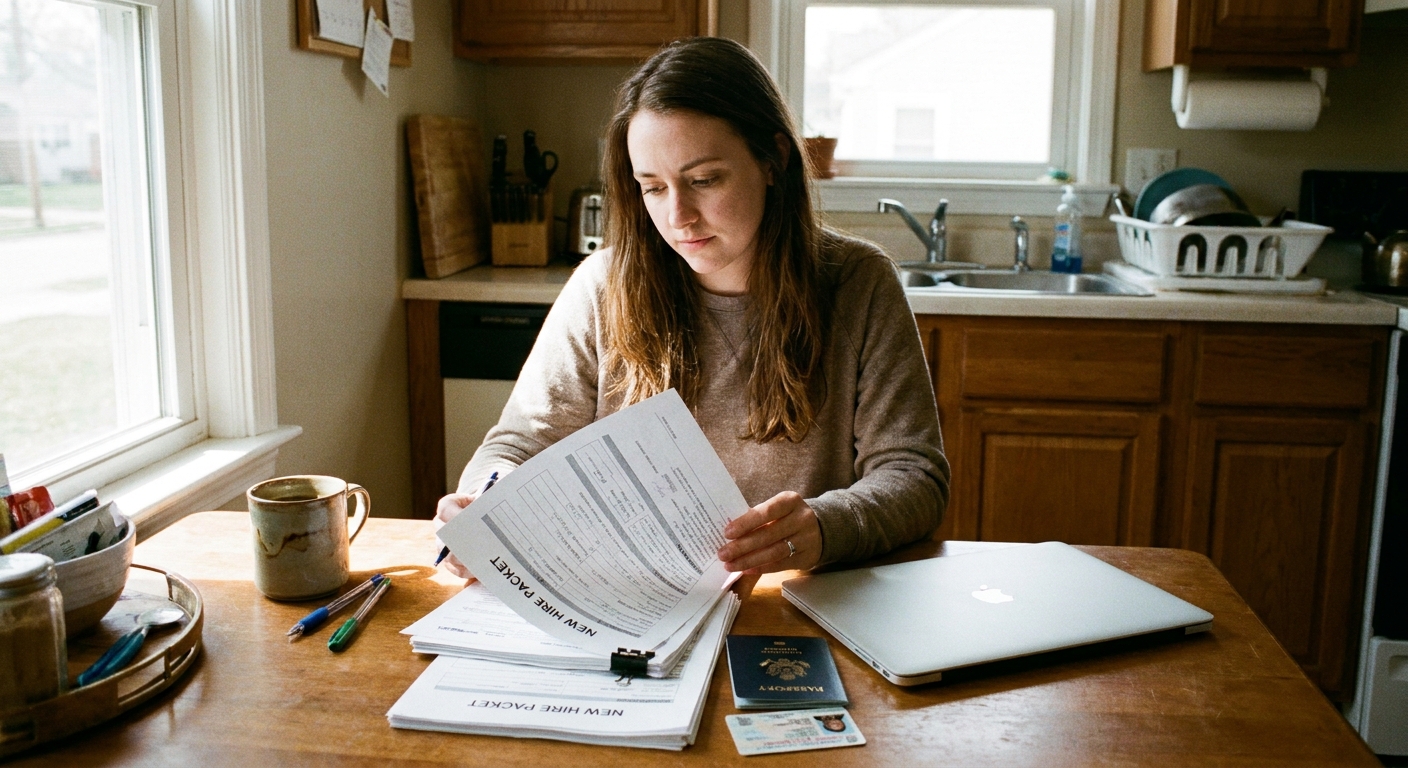
A crisp fold and a fresh perspective.
If a background check pulls in someone else’s criminal case, past address, or job history, it can feel surreal. It happens, especially for people with common names, shared initials, or similar identifying details. The important thing is this: don’t ignore it, and don’t assume the employer will automatically realize it is a mix-up.
Here is how to spot the problem quickly, dispute it the right way, and communicate clearly so your hiring process stays on track.
How it happens
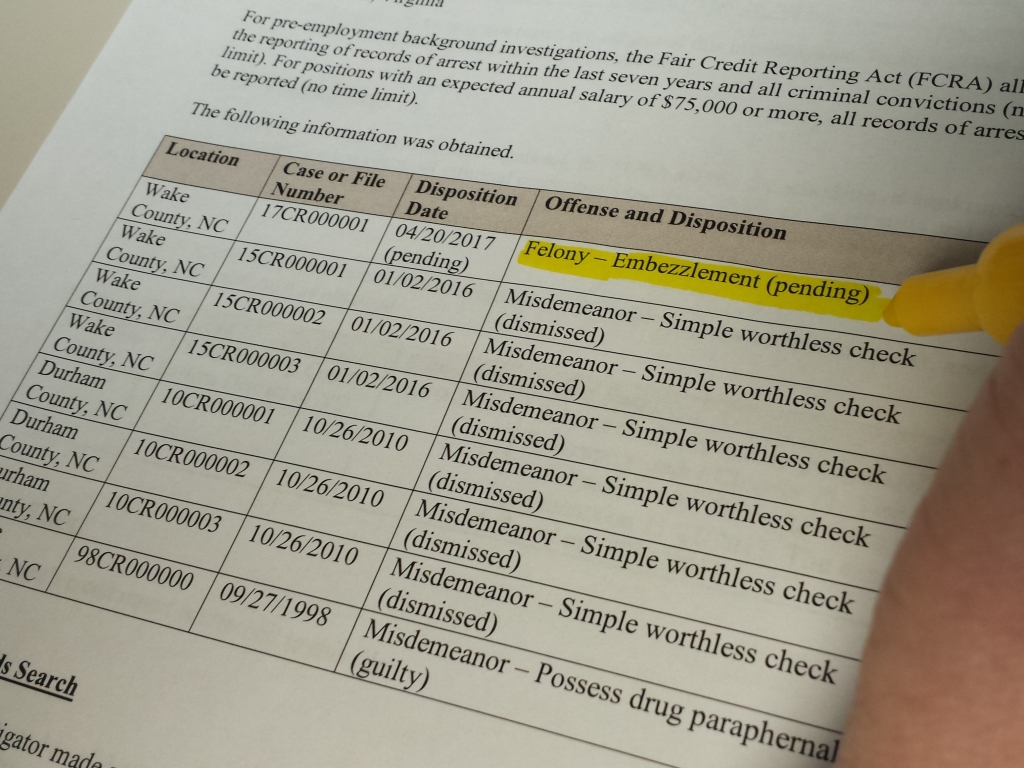
Background checks pull from multiple data sources, and not every source uses a single perfect identifier. Mix-ups typically happen when a system matches the wrong record to the wrong person.
Common reasons
- Similar or identical names: Same first and last name, or the same last name plus the same first initial.
- Shared birth date details: Same birth year, or an incorrect date entered somewhere along the chain.
- Address overlap: You lived at an address previously associated with someone else, or your address history is merged with another person’s.
- Data entry errors: A court index, employer database, or third-party data broker has a typo that later gets repeated.
- Incomplete identifiers: Some record systems rely heavily on name and location, which can be risky in larger counties and cities.
When the report is wrong because it belongs to someone else, it is different from a dispute about your own job dates or a case that was dismissed. The fix is still a dispute, but you must focus on identity separation: proving the record is not yours.
Spot it fast
Sometimes the red flag is obvious. Other times it looks plausible until you zoom in. When you get a copy of the report, scan it like a detective, check the small print.
Red flags
- Addresses you never lived at or cities you have never been to.
- Employers you never worked for, especially in industries you have never been in.
- Schools you did not attend or degrees you did not earn.
- Criminal cases in the wrong state when you can show you lived elsewhere at the time.
- Mismatched middle name, suffix, or spelling that appears consistently on the record.
- Physical descriptors (when included) that do not match you.
- License numbers (driver’s license or professional licenses) that are not yours.
Check the identifiers
Look for any AKA names, aliases, partial Social Security number, date of birth, or prior counties of residence. A single mismatch does not always prove a mix-up, but patterns do. If multiple items do not fit, treat it as a likely wrong-person match and move quickly.
What to request
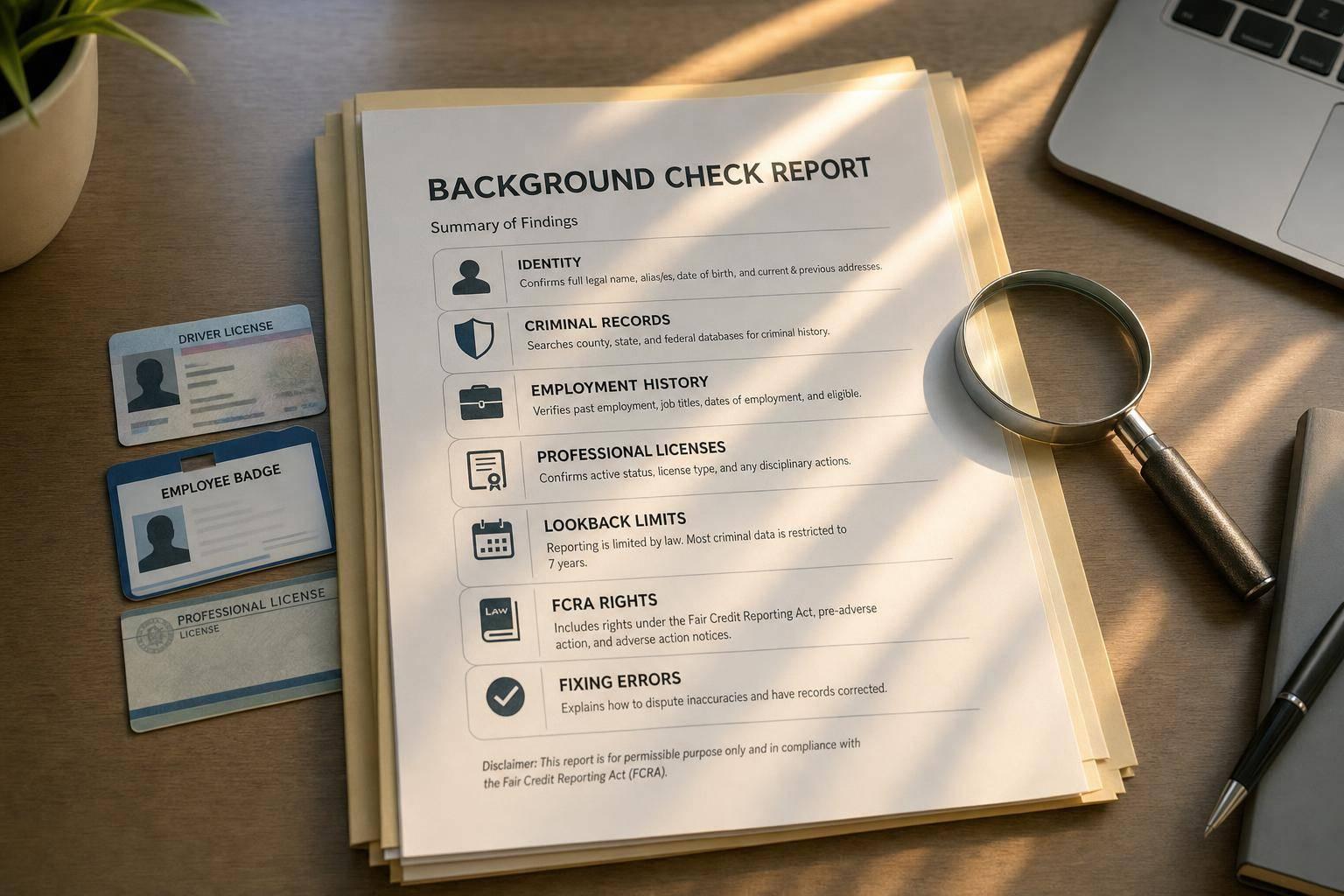
To fix a wrong-person background check, you need the report details and the source of the information.
- Ask for a complete copy of the background check report the employer received.
- Ask which background check company produced it, plus their contact information.
- Ask what specific item triggered concern: a case number, a county record, an address history item, an employer verification.
- If the employer used a consumer reporting agency (CRA) and is considering adverse action, ask whether a pre-adverse action notice will be sent and when. Under the Fair Credit Reporting Act (FCRA), employers that take adverse action based on a CRA report generally must provide a notice and a chance to respond before a final decision.
If you only get a verbal summary, it is harder to correct. Your goal is to get the exact entries so you can point to what is wrong and where it came from.
If the employer will not share the report details, ask which company ran it and request your copy directly through that company’s official process.
Also note that hiring screens are often bundled. A criminal search, employment verification, and education verification can come from different sources, and the dispute path may differ. A criminal record item is typically disputed with the CRA that reported it, while an employment or education mismatch may require corrections through a former employer, payroll provider, or a school registrar, sometimes alongside the CRA dispute.
How to dispute
Disputing a wrong-person match is less about arguing and more about supplying clean identifiers so the background check company can re-check the source record correctly.
Identity details that help
Provide what is relevant and requested, and keep it tight. In a typical dispute, helpful details include:
- Full legal name, including middle name and any suffix.
- Date of birth.
- Current address and a short list of prior addresses for a specific timeframe if the error is tied to address history.
- Last four digits of your Social Security number if the company uses it for verification and you are comfortable providing it through their official dispute channel.
- A clear copy of government-issued ID if the dispute process requests it.
Keep communications factual, and do not overshare sensitive documents that were not requested. Use the company’s official dispute method and secure upload when offered.
Criminal record mix-up
If the report is attaching someone else’s criminal case to you, dispute with specifics:
- The report item details: jurisdiction, court name, case number, filing date, and listed defendant name.
- A statement of non-match: one or two sentences stating the record does not belong to you and identifiers do not match.
- Proof you are a different person: for example, your middle name differs, your date of birth differs, or you lived in a different state at the time.
What to write
Keep the wording simple and specific. You are aiming for “this is not my record” plus the identifiers that prove it. Here is an example written with realistic, fictional details.
I am disputing the accuracy of this report because it includes information that belongs to a different person. The criminal record listed from Cook County Circuit Court under case number 2019-CR-45821 is not mine. The defendant name shown includes a different middle name, and the date of birth on the record does not match my date of birth. Please reinvestigate and remove any information that cannot be verified as belonging to me.
Write down the date you submitted the dispute, keep confirmation emails or screenshots, and save copies of everything you send.
Timelines vary. When the FCRA applies, it generally gives CRAs up to 30 days to reinvestigate many disputes, with limited exceptions. In practice, some corrections move faster and some take longer depending on the source and how quickly it responds.
If the employer used more than one screening vendor, ask which vendor reported the specific item you are disputing. Disputes usually need to go to the company that produced that piece of the report.
If the dispute comes back "verified"
Sometimes a CRA will respond that the information was verified even when you are certain it belongs to someone else. If that happens:
- Ask what they relied on: request the method of verification and what identifiers were used to match the record.
- Escalate with clearer documentation: resubmit with the exact mismatched identifiers highlighted (middle name, date of birth, address at the time, or other non-matching data on the record).
- Consider adding a consumer statement if the CRA allows it, so future recipients see that you disputed the item.
- Contact the underlying source when appropriate: if the public record itself is wrong or misindexed, the court or agency that maintains it may need to correct the file so the error stops repeating.
Tell the employer
This part can feel awkward, but it matters. Employers often move quickly, and silence can look like avoidance. You can be calm, direct, and brief.
What to say
- State the issue plainly: the report appears to include information for someone else.
- State the action you took: you filed an official dispute with the background check company.
- Ask about timing: whether they can pause a final decision until the corrected report is returned.
They may be able to hold the role open while it is corrected, but it is not guaranteed. Still, asking early gives you the best shot.
A sample message
Subject: Background check report contains a mismatch
Hi Jordan,
I reviewed the background check and it appears to include information that belongs to a different person with a similar name or identifiers. I submitted an official dispute with the background check company today and asked them to reinvestigate and issue a corrected report.
Could you share the hiring timeline and let me know if you can hold any final decision until the updated results are available? I am happy to provide any additional identity confirmation through the company’s process.
Thank you,
Alex Taylor
Keep it factual. You do not need to over-explain your life story. Your goal is to keep the process open while the record is corrected.

If they might deny you
If an employer is considering denying you because of the report, ask what step you are in. If a CRA report is involved, the FCRA generally requires a two-step process: a pre-adverse action notice first, then a final adverse action notice if they proceed. Exact timing and internal workflows can vary by employer.
Ask for
- A copy of the report (if you do not already have it).
- A summary of your rights if one is provided with the notice.
- The deadline for submitting your dispute and any supporting info.
- Whether they can extend the decision window while the background check company reinvestigates.
Even if the employer is kind, they may still be working under a timeline. Clear, written communication helps.
What not to do
- Don’t ignore the issue. Wrong-person matches rarely fix themselves.
- Don’t argue on the phone without documentation. Always follow up in writing and keep records.
- Don’t send sensitive documents to an unofficial email address. Use the official dispute channel.
- Don’t accuse the employer of wrongdoing. The mix-up usually originates in data matching, not malice.
- Don’t guess which record is probably yours. If it is not yours, say so and stick to the identifiers.
After it is fixed
Once the reinvestigation is complete, you may receive an updated report or a results letter. Save it.
- Ask the background check company for the corrected report and confirmation of what changed.
- Send the employer a short update letting them know the dispute is resolved and the corrected report is available.
- Keep a folder with dispute confirmation, emails, and final results in case the issue pops up again in a future check.
If the same incorrect information keeps appearing across different reports, consider checking your broader consumer reporting data and disputing recurring errors at the source when possible.
FAQ
Can I dispute directly with the court or police department?
Sometimes, but many hiring decisions are based on what the background check company reported. Start with the background check company’s dispute process so the employer can receive a corrected report. If the underlying public record itself is wrong, then also contact the agency that maintains it.
What if the report includes someone else’s address or job history but no criminal record?
Dispute it anyway. Wrong addresses and employers can cause confusion, and they can trigger identity verification problems later. Provide a short address history you can confirm, and clearly list the items that are not yours.
Will disputing slow down the hiring process?
It can, but not disputing is riskier. If the employer is making a decision based on incorrect information, the fastest path is usually a formal correction. Communicate early so the employer can plan around the updated timeline.
What if I have a common name and this keeps happening?
Use your full legal name consistently, include your middle name when appropriate, and keep records of past disputes. When possible, provide accurate identifiers up front on applications so the background check company can match more precisely.
A neatly folded next step
A wrong-person background check is fixable, but it needs quick, organized action. Get the full report, dispute through the official process with clean identity details, and keep the employer informed in writing. That combination gives you the best chance to separate your name from someone else’s record and keep your job search moving forward.