A crisp fold and a fresh perspective.
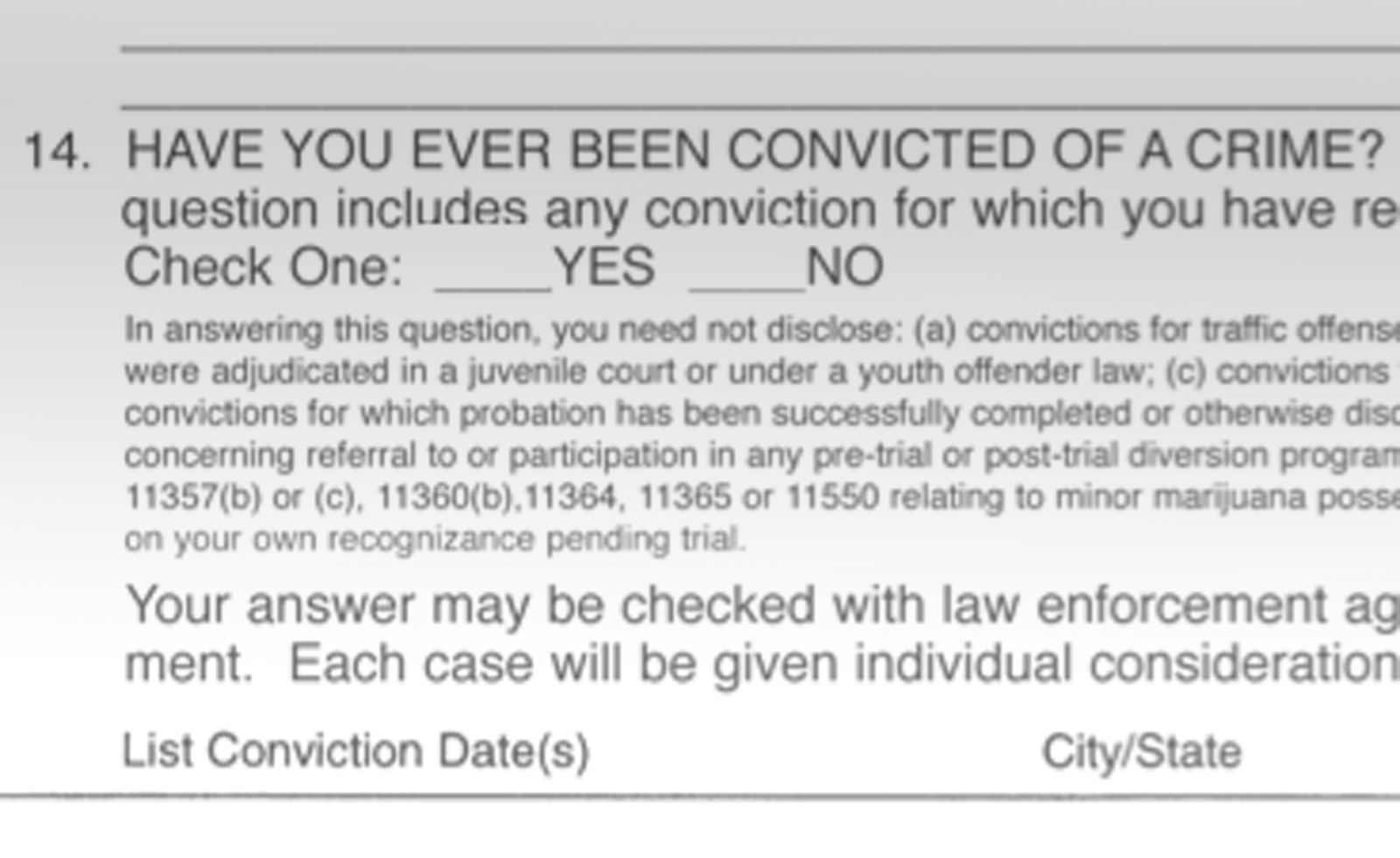
Seeing a case you know was dismissed on a background check can feel like an old paper cut that never quite healed. The good news: a dismissal is not a conviction. The practical news: background check reports often pull from sources that still show the case history, and employers may not instantly recognize what “dismissed” means.
This page helps you do three things: read the entry correctly, confirm the outcome using real court records, and take the right dispute steps if the report is wrong. One careful note before we unfold it: do not call a case “dismissed” if it was not. If your case is still open, pending, or resulted in a conviction, the next step is different.
First: dismissed cases can still appear
Many background checks list cases, not just convictions. That means a report can include an arrest date, a charge, and a court case number even when the final outcome was dismissal.
What matters is the disposition, which is the court’s final status for the charge or case. If the report shows the case and also clearly shows it was dismissed, that is typically not “false.” It is a record of a case that existed, with an outcome that usually did not result in a conviction for that charge.
Common dismissal language
- Disposition: Dismissed
- Outcome: Case dismissed
- Status: Dismissed or Closed with dismissal noted
- Result: Nolle prosequi (often means the prosecutor declined to proceed; in some places it may be without prejudice and can be refiled)
- Result: Dismissed in the interests of justice (language varies by state)
If you see a word you do not recognize, treat that entry like a folded note you should open carefully. Do not guess. Verify using the court record.
How to read the entry
Background check layouts vary, but criminal court entries often include the same building blocks. Look for these fields and compare them to what you remember:
- Jurisdiction: county and state where the case was filed
- Court: the specific court (municipal, county, superior, district)
- Case number: a unique identifier you can use to find the court docket
- Charge(s): the alleged offense(s), sometimes with statute numbers
- Filed date / offense date / arrest date: dates may differ and can be misread
- Disposition: the outcome (this is the key line)
- Disposition date: the date the court recorded the outcome
Two quick checks
- Does the case number match your actual court case? A wrong case number can point to someone else’s record or a mismatched county database.
- Is the disposition clearly stated and correct? The final disposition should not be listed as “guilty,” “convicted,” or “sentenced” if the court record shows it was dismissed.
One more subtle check: some reports show a mixture of “events” and “outcomes.” You might see a line suggesting a plea or a filing history, but the question you are folding toward is still the same: what does the court list as the final disposition?

Confirm it in court records
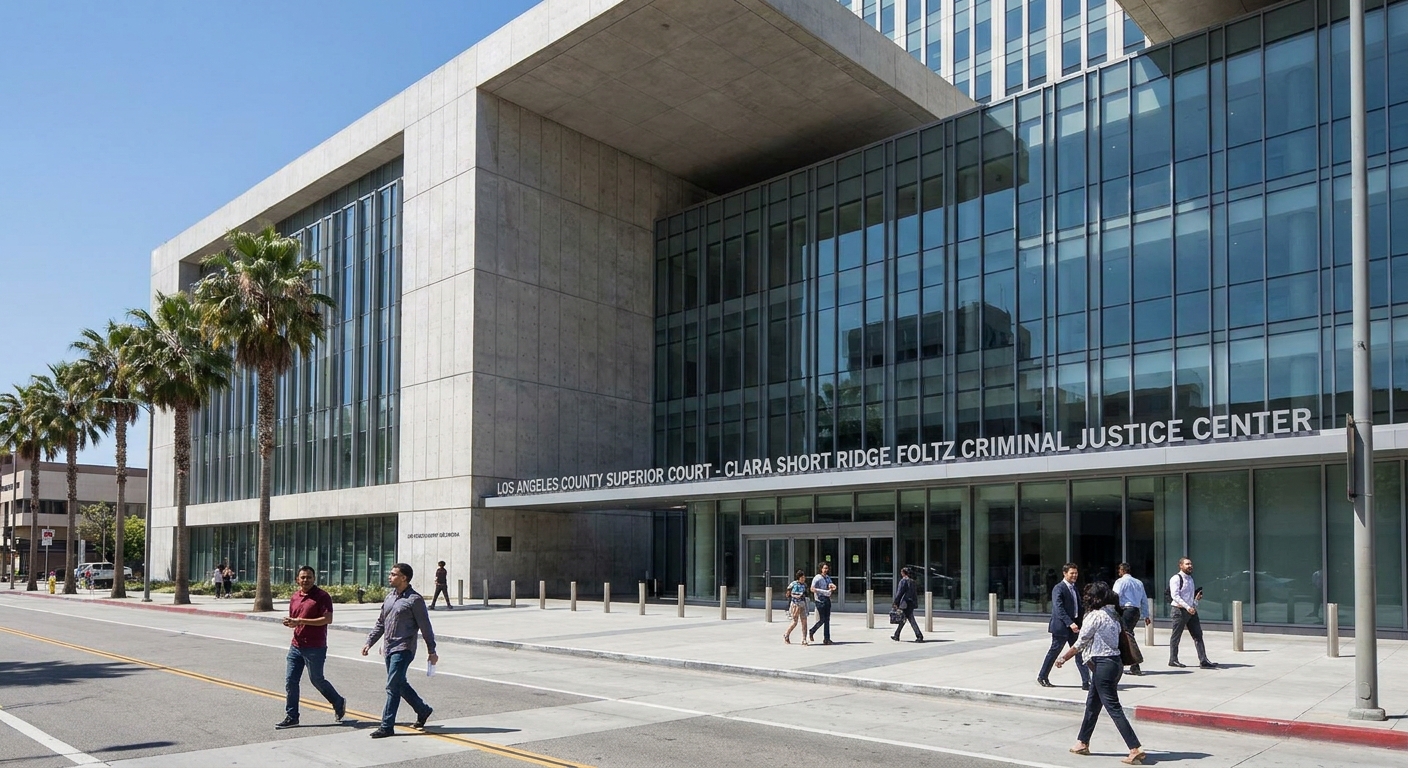
If you want the most reliable confirmation of your case outcome, go to the system of record: the court. Background check companies may use court runners, databases, or third-party aggregators, but the court docket and disposition are the primary source.
What to look for
Depending on the state and court, you might find:
- Case summary (often lists charges and disposition)
- Docket entries (chronological events, including a dismissal order)
- Minute order or order of dismissal
- Judgment or final disposition page
How to pull the info
- Online case search: Many courts have a public portal. Use your name, date of birth where allowed, and especially the case number from the report.
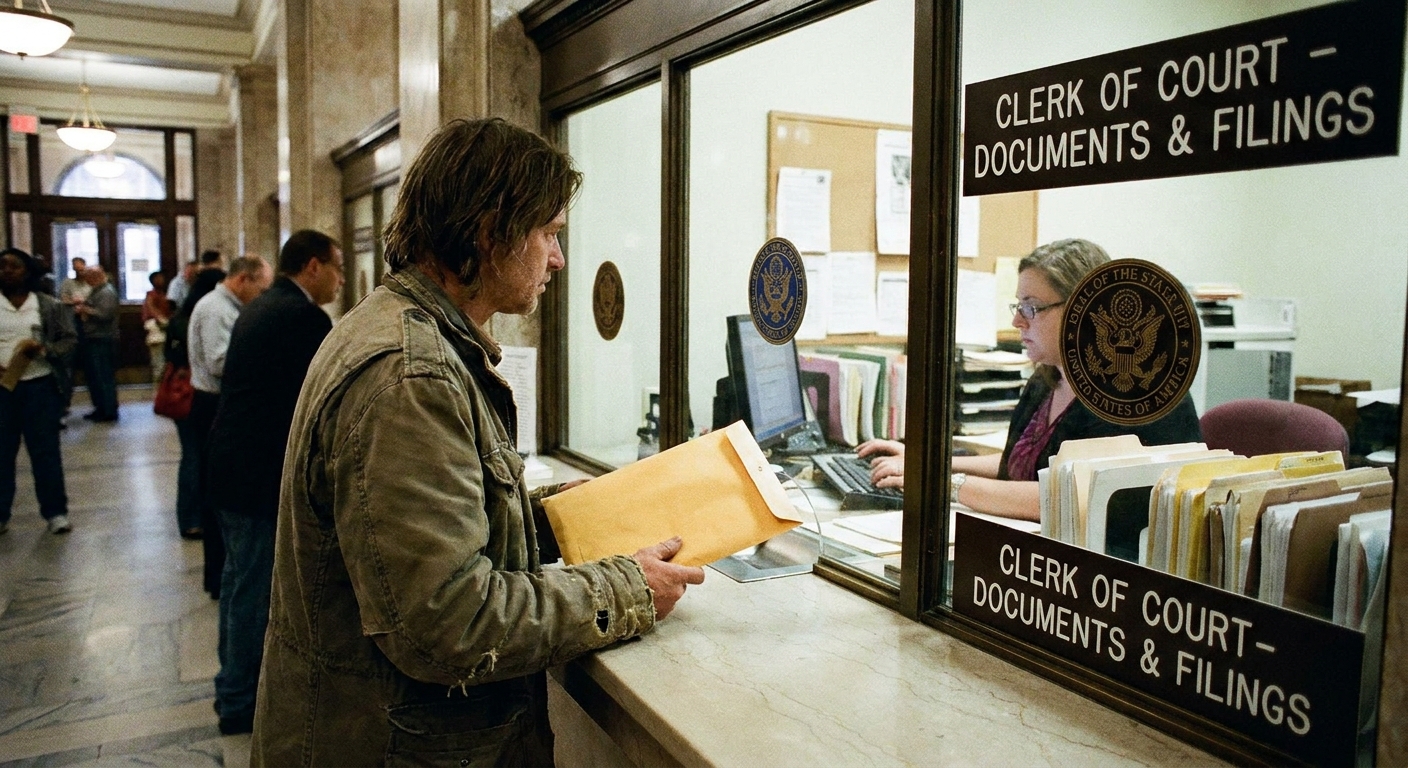
- Clerk’s office request: If the portal is limited, you can request copies from the clerk. Ask for the document that shows the final disposition.
- Your attorney’s records: If you had representation, they may have the dismissal paperwork.
A quick real-world comparison
Here is what “verify, don’t assume” can look like:
- Report: “Disposition: Convicted, 03/01/2022”
- Court docket: “03/01/2022: Dismissed”
That is the kind of mismatch you can dispute cleanly, because you are not arguing interpretation. You are aligning the report to the court’s final line.
If you cannot access the case online
Sometimes the neat digital fold is not available. Older cases may not be online, portals may be paywalled, or your case may be sealed, partially restricted, or listed under a prior name. In those situations:
- Call or visit the clerk’s office and ask what they can provide to the public for your case number.
- If you are the subject of the record, ask what identification they require to release a certified disposition or case summary.
- If the court record is sealed, ask whether the court can provide a document that confirms the status to you, even if it is not public.
- If identity confusion is a concern, ask whether your state offers a fingerprint-based criminal history review through the state repository.
Keep your goal simple: get a document or docket view that clearly states the case or charge was dismissed and shows the date.
When it becomes a problem
There are a few scenarios where a dismissed case showing up is not just annoying, but potentially inaccurate or misleading.
Red flags
- The report lists the disposition as convicted, guilty, or sentenced when the court record shows dismissal.
- The disposition line is blank, but the way the report is formatted makes it look unresolved or adverse.
- The case is attributed to the wrong person (similar name, wrong date of birth, wrong middle name, wrong address history).
- The case shows the right person but the charges are wrong or inflated compared to the court docket.
- The case appears in a jurisdiction where you have never lived or been charged.
Not always an error, still worth clarifying
- The case is correctly listed with a dismissal, but an employer is reading “case” as “conviction.”
- The dismissal happened recently, and the vendor’s update cycle has not caught up.
- A multi-charge case had a mix of outcomes, for example one count dismissed and another resolved differently. In that situation, it is crucial not to label the entire case “dismissed” if only one count was.
- In some roles and licensing contexts, dismissed or even sealed records can be viewed differently under specific rules. If the stakes are high, verify what the decision-maker is allowed to consider in your field.
How to dispute an inaccurate entry
If the background check is wrong, you can often dispute it. The right process depends on what kind of report it is, but for many employment background checks, the dispute flows through the background check company that produced the report. In some hiring systems, the employer will also provide a portal link or contact information for the screening vendor.
Before you dispute
- A copy of the background check report page showing the entry
- Your identifiers (full legal name, date of birth, and any report reference number)
- Court documentation showing the dismissal (case summary, docket, or dismissal order)
- Notes on what is wrong, written in plain language (one or two sentences)
What to say
Keep it factual, specific, and outcome-focused. For example:
- “This record is inaccurate. The court shows the final disposition is dismissed as of the disposition date on the attached court record, but the report lists a conviction. Attached is the court document showing the final disposition.”
- “This record does not belong to me. The identifying information does not match. Attached is documentation supporting the mismatch.”
A good dispute is like a clean fold: crisp, aligned, and easy to follow.
If an employer is involved
If you are in a hiring process, you may be asked about the entry. Stick to what you can prove. You can say the case was dismissed if you have court documentation showing that outcome. If you are not sure, do not guess. Verify first.
If you get a notice about adverse action
Sometimes the first sign of trouble is a notice that an employer may make an adverse decision based on the report. If that happens, respond promptly and send the same tight packet: the report page, your dispute statement, and the court document showing the final disposition. Timing matters in real life, even when the paperwork is straightforward.
Use the court’s exact language
It is tempting to use “dismissed” as shorthand for “I did not end up convicted,” but those are not always identical in every setting. Some cases end in diversion, deferred outcomes, or other resolutions that can later be recorded as dismissed, yet still carry special rules for certain screenings.
Use the exact language shown on the official record, even if it feels overly formal. Precision protects you.
Expungement or sealing
A dismissal and an expungement are not the same fold.
- Dismissed describes a court outcome for a charge or case, as reflected in the disposition.
- Sealed or expunged means the record is restricted or cleared under state law, often after eligibility requirements are met.
If your case was dismissed, you may or may not be eligible to seal or expunge it depending on your state, the charge type, and other factors. If you have already sealed or expunged the record but it still appears, that can also be dispute-worthy, because the report may be using outdated or improper sources.
FAQ
Is a dismissed case a conviction?
No. A dismissed case is not a conviction. On a background check, the outcome should be reflected in the disposition, and it typically means no conviction for that charge.
Why would a dismissed case show up at all?
Because background checks often list criminal court cases and their outcomes, not only convictions. Also, some data sources update slowly or display incomplete fields unless verified against the court docket.
What document proves dismissal?
Usually a court docket showing a dismissal entry, a case summary listing the disposition as “dismissed,” or a signed dismissal order or minute order from the court.
Should I contact the court or the background check company?
If you need proof of the outcome, contact the court clerk or use the court’s case search to get the disposition documentation. If the report is wrong, you typically dispute with the background check company that issued it and use court records as supporting proof. If an employer gave you a vendor link or contact, use that channel.
What if the report is accurate but the employer is confused?
Be calm and factual. You can offer the court documentation that shows the case was dismissed, and clarify that a dismissal is not a conviction. Keep your explanation aligned to the record.
A final fold
A dismissed case on a background check is not automatically a deal-breaker, but it does demand careful reading. Find the final disposition, confirm it in court records, and dispute anything that is inaccurate. And if you are ever unsure what the record actually says, let the court paperwork do the talking.