A crisp fold and a fresh perspective.
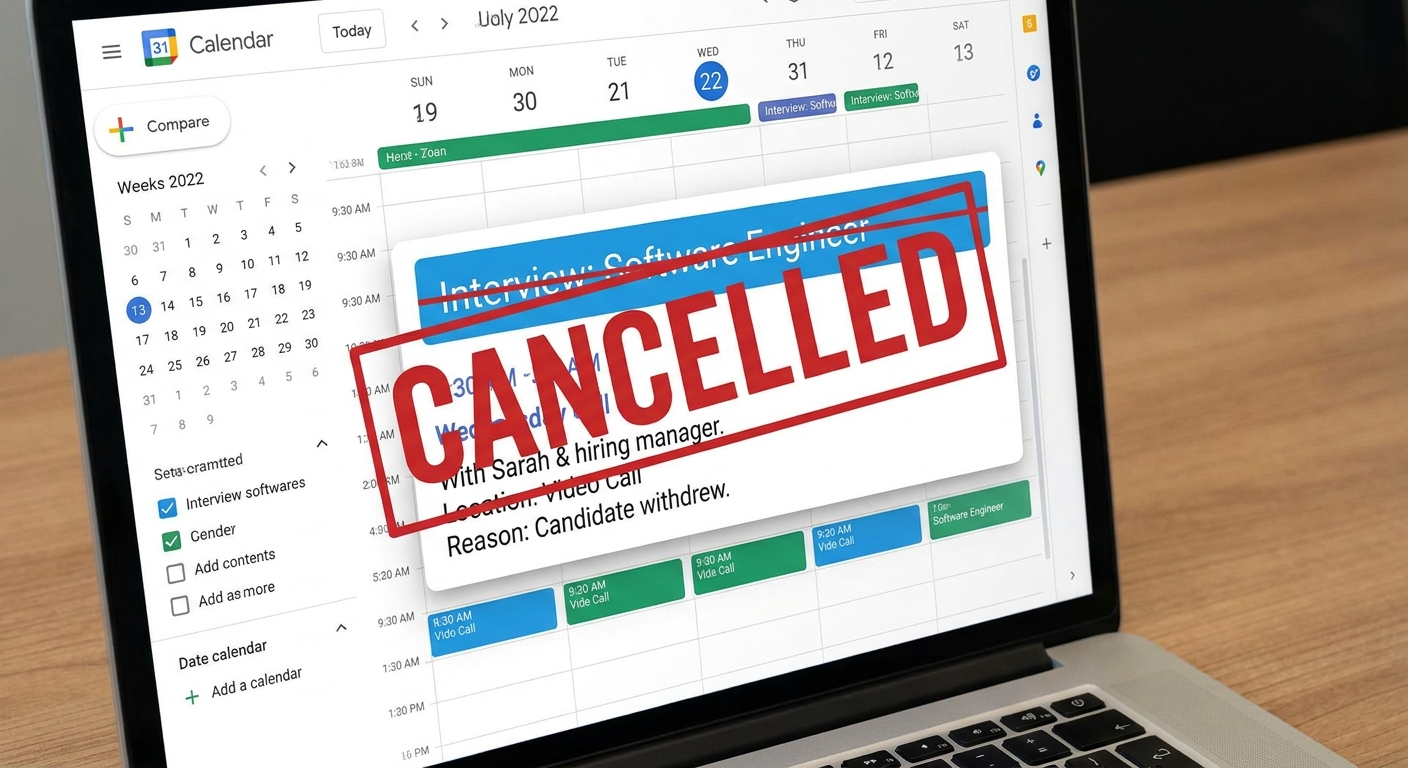
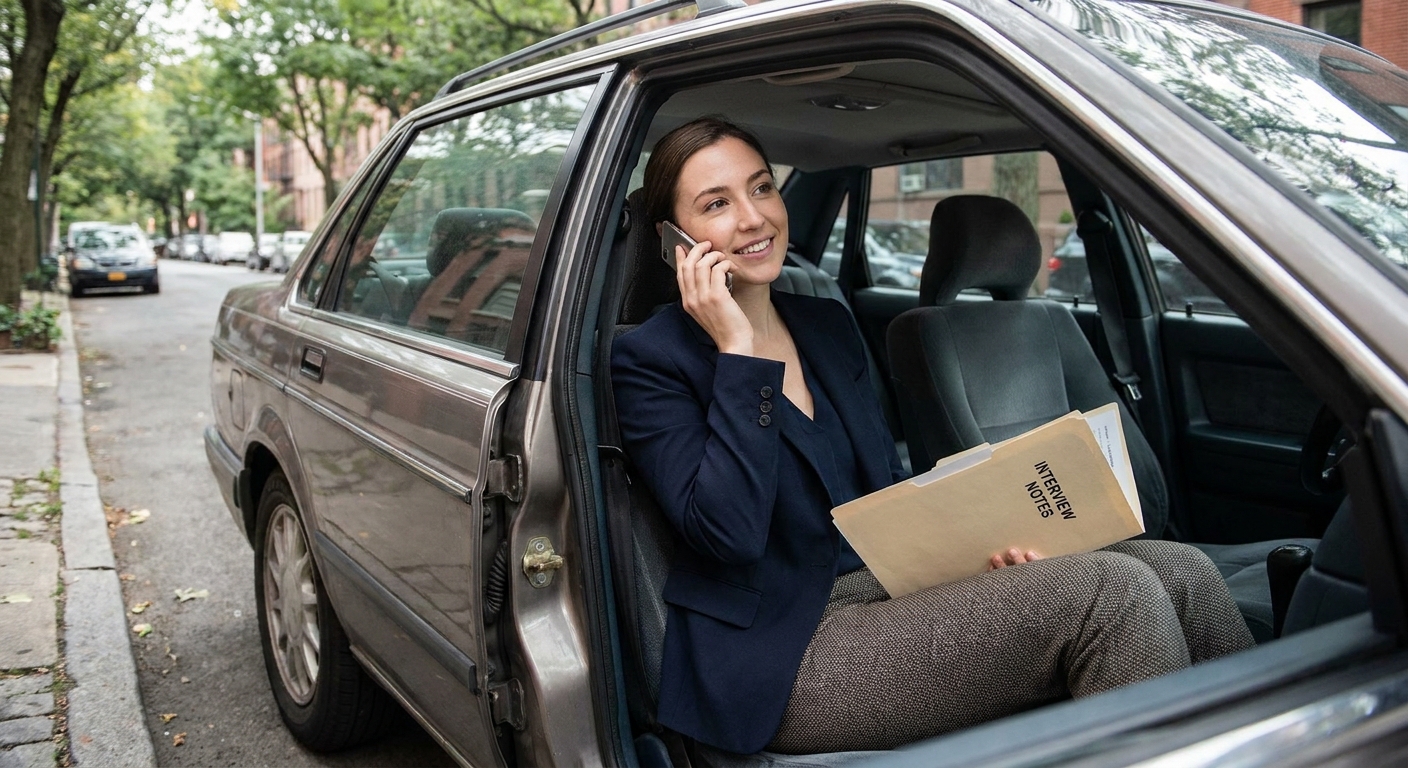
You’re on time. You’re prepared. You’re staring at a video call waiting room or a “joining” screen, a silent phone line, or a lobby chair that suddenly feels very loud. And the interviewer is not there.
It’s frustrating, but it’s also a moment where a calm, professional response can quietly set you apart. Here’s what to do while you’re still at the site or still on the call, how long to wait, and exactly what to send to get the interview back on track.

First, confirm you’re in the right place
Before you assume it’s a no-show, take two minutes to rule out the most common mix-ups. This keeps your message to the recruiter clean and confident.
- Check the time zone in the invite and compare it to your device settings.
- Confirm you’re in the right account (work vs personal) if your video platform requires sign-in.
- Refresh the link or rejoin from the calendar invite, not a forwarded message.
- Check the meeting details inside the platform (Zoom, Teams, Google Meet) in case the organizer updated the link.
- Confirm the dial-in number if it’s a phone interview. Make sure you are calling the correct extension or conference code.
- Look for updates in your email, including your spam and promotions folders.
- If you’re in person, politely ask the front desk to confirm the interviewer’s name and whether they were delayed or pulled into another meeting.
If everything checks out, move to the waiting plan below.
How long to wait
There’s no single perfect number. Schedules, cultures, and meeting etiquette vary. But there is a professional rhythm many hiring teams recognize, and it lets you act without sounding annoyed.
If it’s a video interview
- After about 5 minutes, send a quick check-in note.
- By about 10 to 15 minutes total, loop in the recruiter or coordinator (or use your second contact method).
If it’s a phone interview
- Wait about 3 to 5 minutes past the scheduled start time.
- If you were told they will call you, keep your ringer up and your phone line free. If you were told you should call them, call once at the scheduled time, then wait a few minutes and follow up in writing.
If it’s an in-person interview
- Wait about 10 minutes after your scheduled time.
- Between 10 and 15 minutes, ask the front desk if the interviewer is available or running behind.
- Around 20 minutes, it’s reasonable to ask whether you should reschedule.
A helpful rule: if you haven’t heard anything by about the 10-minute mark, you can act without seeming impatient. You are simply clarifying logistics.
What to message while waiting
The goal of your first note is simple: confirm you are present and ready, and invite them to reconnect. Keep it neutral and helpful. This is not the time to complain, even if you are stressed. You can be direct without being sharp.
Message to the interviewer (or the contact on the invite)
Subject: Interview check-in
Hi Taylor, I’m here and ready for our 2:00 p.m. interview. I’m in the meeting now. If you’re having any trouble joining, I’m happy to reconnect or use a different number/link.
Best,
Jordan Lee
Message to the recruiter (or coordinator) if you do not have the interviewer’s email
Subject: Interview check-in for Jordan Lee
Hi Taylor, I’m on the line and ready for my 2:00 p.m. interview for the Marketing Associate role, but I haven’t been able to connect with the interviewer yet. Could you confirm whether the time is still correct and the best way to join?
Thank you,
Jordan Lee
Why this works: it creates a timestamped record that you were on time, it gives them a graceful “tech issue” exit ramp, and it signals you are solution-focused.

If you’re in a video room
While you wait (and after you send that first note), keep your setup professional in case they pop in suddenly.
- Stay camera-ready and avoid multitasking on-screen. You can review notes quietly off-camera.
- Save a record only if appropriate. If you take a screenshot for your own timeline, avoid capturing personal email addresses, full participant lists, or meeting IDs, and store it securely. Do not send it unless asked. Your goal is to keep the tone cooperative.
When to reschedule
If it’s been roughly 15 minutes with no contact (or closer to 20 minutes in person), switch from “check-in” to “reschedule.” You’re not asking for an apology. You’re protecting your time and keeping the process moving.
Reschedule note
Subject: Rescheduling interview
Hi Taylor, I haven’t been able to connect with the interviewer for our scheduled time today. I’m still very interested in the role and would be glad to reschedule. Are any of the following times available?
- Tuesday, 10:00 to 11:30 a.m.
- Wednesday, 1:00 to 3:00 p.m.
- Thursday, 9:00 to 10:30 a.m.
If there’s a better contact method for next time, I’m happy to use it.
Best,
Jordan Lee
Keep the windows broad. Offering three options gives them a simple next step and reduces back-and-forth.
What not to say
When someone misses a meeting, your first message should not be a complaint. Even if you never interview there again, your professionalism is part of your reputation.
- Avoid: “This is unprofessional.”
- Avoid: “I cleared my schedule for this.”
- Avoid: “If you don’t respect my time…”
- Avoid sarcasm, guilt-tripping, or threats.
You can address patterns later if needed. In the moment, your best move is to stay steady and make it easy for them to fix the situation.
If they join late
Sometimes the interviewer arrives at minute 12 and starts talking as if nothing happened. You can reset the tone without calling them out. Think of it as a small fold: a quick reset that keeps you composed and the conversation moving.
Try a simple reset line:
Thanks for joining. I’m ready when you are.
If you have a hard stop due to another commitment, state it clearly and calmly:
Glad we could connect. I have a hard stop at 2:45, so we have about 25 minutes. I’m happy to prioritize key questions, or we can schedule a follow-up if needed.
After you leave
Once you have sent your reschedule note, do three small things that help you stay organized and reduce stress.
- Write down a quick timeline: when you joined, when you messaged, and when you left.
- Save the invite details so you can reuse the correct link or number if they reply quickly.
- Keep applying elsewhere. A missed interview can be a one-off emergency, or it can be a signal about how the team operates. Either way, your momentum matters.
If you already have an established connection with the recruiter, a brief LinkedIn message is also reasonable, especially if email seems to be failing. Keep it simple: you are confirming logistics, not chasing.

FAQ
Is it okay to leave after 10 minutes?
For video or phone interviews, it’s usually best to take one action first at around 5 minutes (send a check-in). If there’s still no response, leaving after about 10 to 15 minutes is reasonable. For in-person interviews, waiting closer to 15 to 20 minutes is more typical, especially if the front desk is trying to locate someone.
Should I call the recruiter?
If you have a direct number and it’s been around 10 minutes, a quick call can help. If you do call, follow it with a short email so there is a written record and a clear reschedule request.
Will I look desperate if I follow up?
No. A concise, professional follow-up shows reliability. The key is tone: focused on connecting and rescheduling, not venting.
What if they never respond?
If you do not get a reply within one to two business days, you can send one more short follow-up asking whether the role is still active and whether they would like to reschedule. If there’s still silence, treat it as a closed loop and move on.
What if I’m the one running late?
Send a note as soon as you know, offer a new time, and join anyway. A brief, proactive message is almost always received better than silence.
A final fold
An interviewer no-show is awkward, but it doesn’t have to throw you off. Wait a reasonable amount of time, send one calm check-in while you are still there, and then pivot to a clear reschedule note with options. Professional and simple is the whole strategy.