A crisp fold and a fresh perspective.
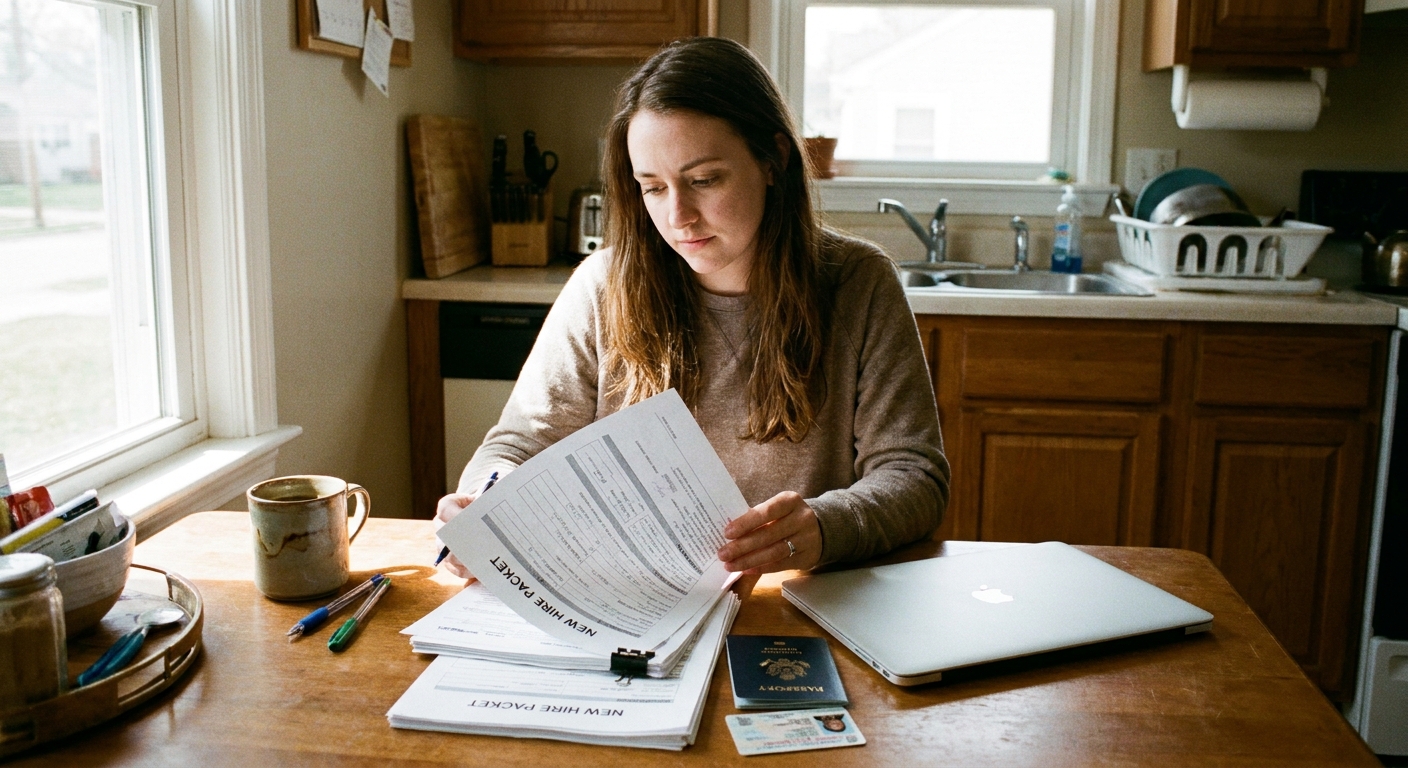
If you have been told you need a fingerprint background check, you are not alone in wondering what, exactly, you are supposed to do next. Unlike many pre-employment checks that happen quietly behind the scenes, fingerprinting is often a step you complete in a specific way, with a specific location, specific ID requirements, and a process that can feel official.
Let’s unfold what the appointment typically looks like, what to bring, how long results often take, and how fingerprint-based searches differ from a name-based database check.
What a fingerprint background check is
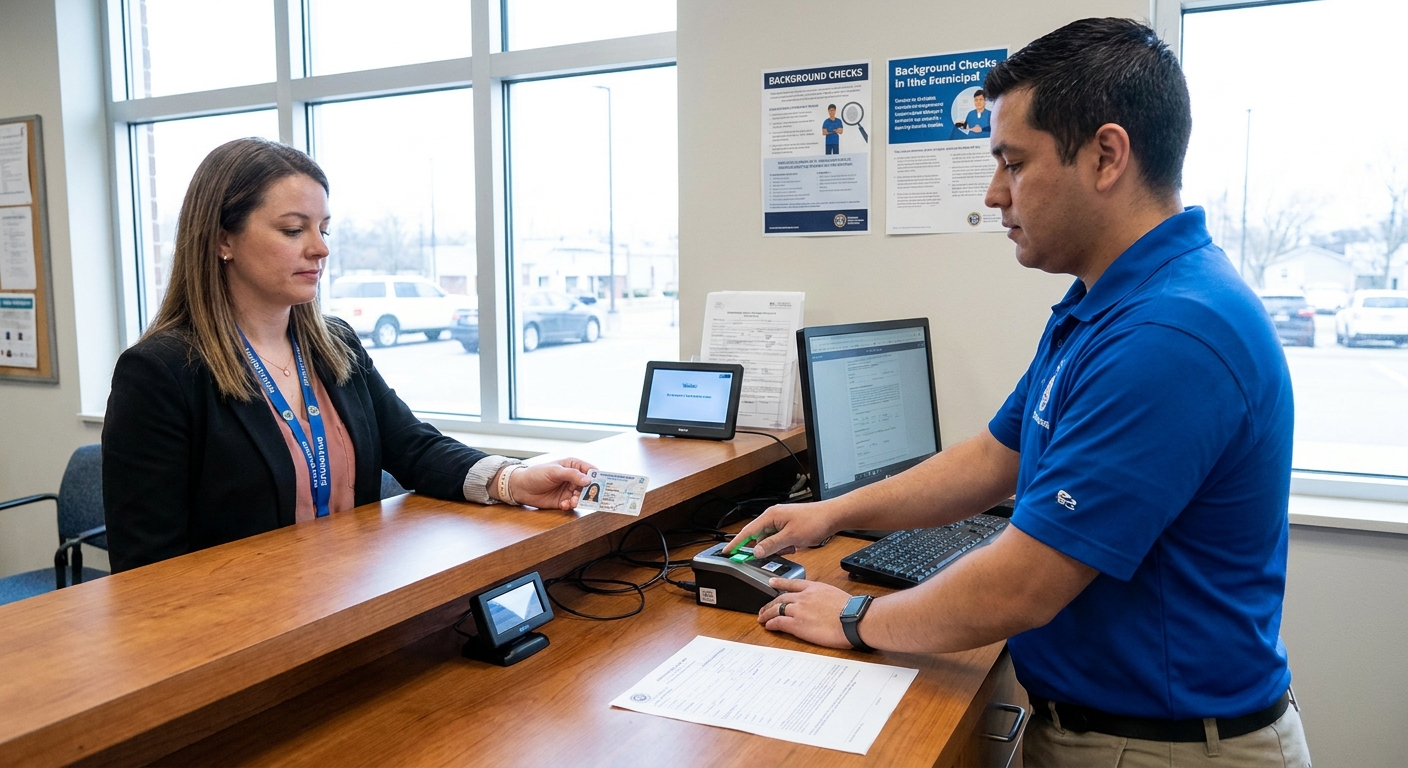
A fingerprint background check uses your fingerprints to confirm identity and to search records connected to that fingerprint submission. The most common workflow is that your prints are captured electronically and sent to a government agency or authorized repository for matching and record retrieval.
You might see fingerprinting required for roles and clearances where identity certainty matters, such as work in schools, healthcare, childcare, government, finance, security, transportation, or for professional licensing.
Fingerprint check vs. name-based check
These two get grouped together in everyday conversation, but they work differently:
- Name-based check: Often relies on the name, date of birth, and address history you provide. It may also use a Social Security number or other identifiers for matching, depending on the screening provider and the product. You usually do not go anywhere in person for this part.
- Fingerprint-based check: Uses biometric identity. The record search is tied to your fingerprints and the specific agency or program receiving them. This is often done through an in-person appointment or an on-site event, though some programs still use mailed fingerprint cards.
One important note: a fingerprint check is not automatically “more” or “less” thorough than a name-based check. It is simply a different method and often a different set of sources, depending on what the employer or licensing body requested.
Where you go for fingerprinting
The location depends on what program you are being printed for. Common options include:
- Vendor fingerprinting centers that handle printing for agencies and employers.
- Local law enforcement agencies (some still offer fingerprint services for certain requests).
- Employer on-site fingerprinting days for large hiring groups.
- Schools, hospitals, or licensing offices that have approved fingerprint technicians or mobile vendors.
Your instructions usually come from the employer, staffing agency, licensing board, or government program. If your message includes a code, form, or “service ID,” that is a clue that you must use a specific provider or location.
Before you go: what to confirm
Fingerprinting goes smoothly when two details are clear before you arrive: what type of submission you need and what identification is accepted.
1) Where your fingerprints are sent
Fingerprinting is often done for a specific agency or licensing program. That destination affects the rules, the form you need, and how results are released. You may see it described in plain terms (for example, a state repository check), or as a broader search (for example, FBI or state plus FBI). If your instructions mention an agency, department, board, or clearance type, follow those directions exactly.
2) Whether you need an appointment
Many locations require scheduling. Some accept walk-ins but can have long waits. If you are on a tight hiring deadline, booking ahead is usually the safest move.
3) Whether you pay or the requester pays
Sometimes the employer covers the fee. Sometimes you pay at the time of service. Your instructions should say which applies. If they do not, ask before you go so you are not surprised at check-in.
4) Consent and privacy basics
Fingerprinting for employment or licensing typically requires your consent, and programs can have strict rules about who can receive the results. Do not be alarmed if the technician cannot discuss outcomes or hand you a copy at the counter. Follow the program’s instructions, because access and disclosures can vary by agency and jurisdiction.
What to bring
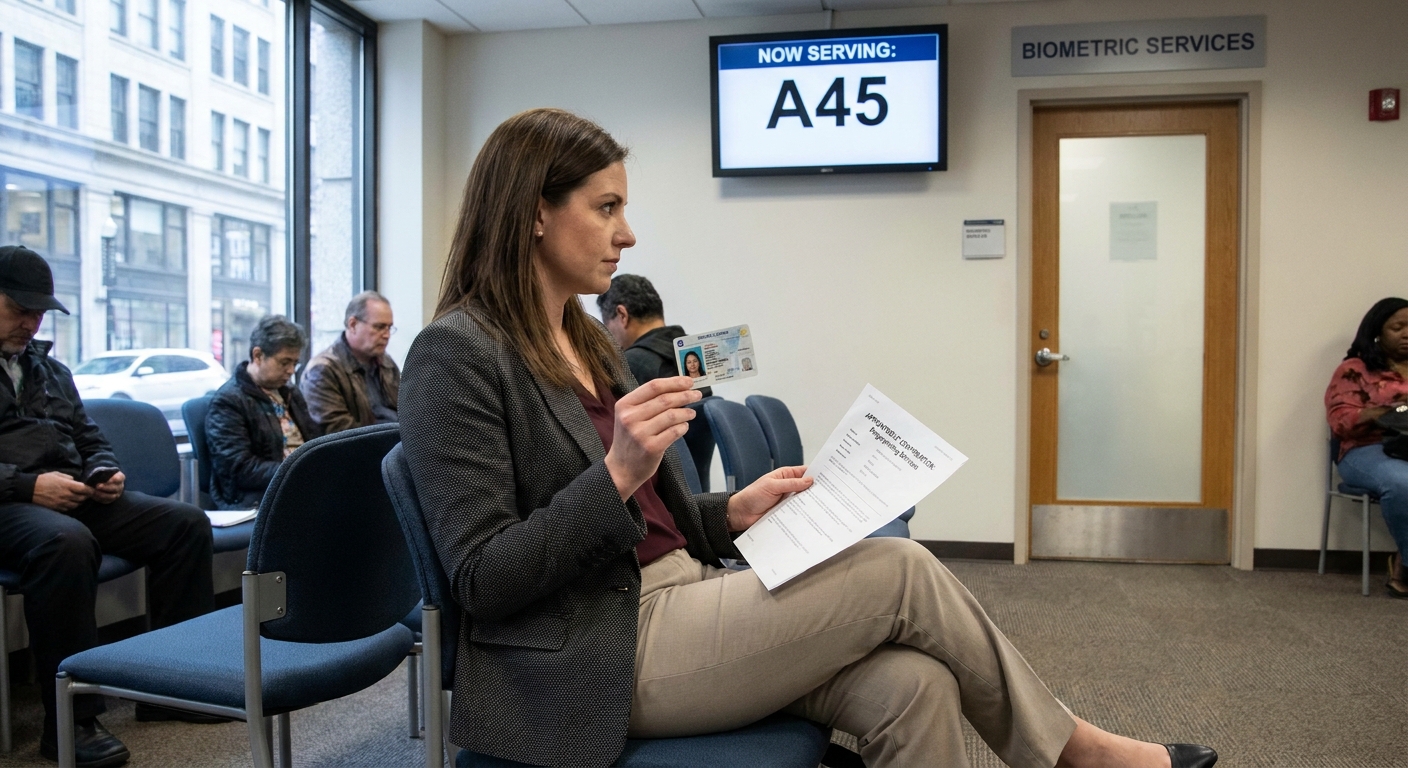
Your fingerprint appointment is a bit like airport check-in: the right documents matter. Requirements vary by program, but these items are commonly needed.
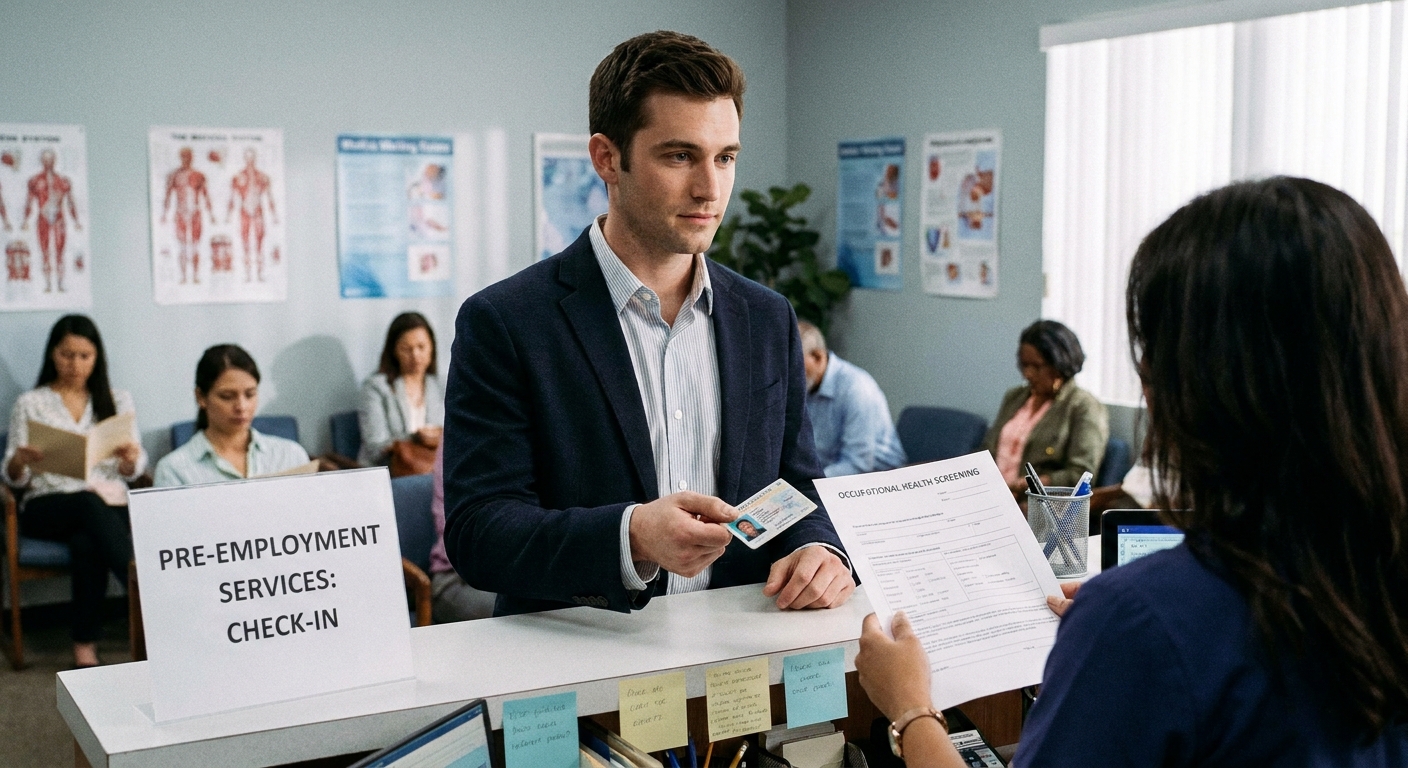
- Government-issued photo ID (often a driver’s license, state ID, passport, or permanent resident card). Make sure it is not expired.
- Any required forms or registration confirmation from your employer, licensing agency, or the fingerprint vendor.
- Reference numbers or codes you were given (service code, application ID, or similar).
- Payment method if you are responsible for the fee.
If your instructions require two forms of ID, follow that precisely. Some programs accept a primary photo ID plus a secondary document (for example, a Social Security card, birth certificate, or other approved secondary ID). Do not guess. Check the program’s accepted-ID list before you arrive.
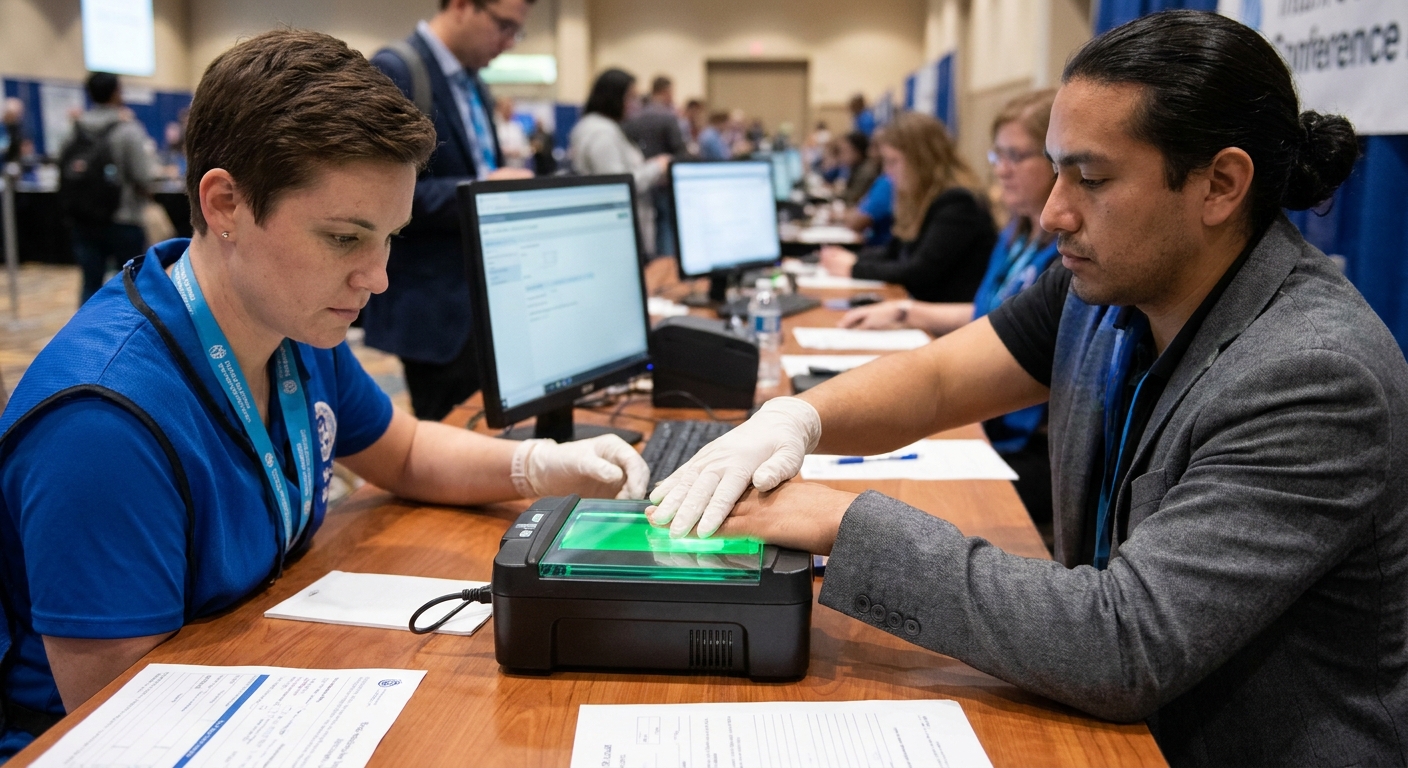
What happens at the appointment
Most fingerprint appointments follow a predictable sequence. The whole visit is often brief, but plan extra time in case of check-in lines or paperwork.
Step 1: Check-in and identity verification
You will present your ID, and the technician will confirm your information matches the registration. You may be asked to verify your name, date of birth, address, and sometimes additional details required by the program.
Step 2: Fingerprint capture
Many locations use electronic live scan fingerprinting. The technician will have you place each finger on a scanner. You may do individual fingers and rolled prints, depending on what is required.
If ink cards are used (still common for some mailed submissions), the technician will roll each finger in ink and onto a fingerprint card. These require careful handling to avoid smudges.
Step 3: Quality check and retakes
Fingerprint systems often grade print quality. If a print is too light, too blurry, or incomplete, the technician may recapture that finger. This is normal and not a sign something is “wrong.”
Step 4: Submission
Your prints are submitted to the required destination. With electronic submission, this can happen immediately. With ink cards, the card may be mailed, which can add time.
Step 5: Receipt or confirmation
You may receive a receipt or confirmation page. Keep it until your employer or licensing body confirms they have what they need. If you have a tight start date, that receipt is often the simplest proof that you completed the step on time.
How long results usually take
Timeline is the question everyone asks, and the honest answer is: it depends on where the prints are sent, how they are submitted, and the agency’s workload.
In many common employment and licensing situations, results can come back in days to a few weeks. Some come back faster, especially when prints are submitted electronically and there are no processing delays. Some take longer if the agency is backlogged, if the submission requires manual review, or if mailed fingerprint cards are involved.
What can slow things down
- Low-quality prints that are rejected and must be retaken.
- Name or data mismatches between your registration and your ID.
- Mail time for ink cards or paper-based processing.
- High volume periods for agencies or licensing boards.
If you are anxious about timing, ask the requester this very specific question: “Who receives the results, and what is the typical turnaround for this program?” They may not be able to guarantee a date, but they can usually tell you what is normal for that workflow.
Who gets the results
Often, the results are sent directly to the employer, agency, or licensing board, not to you. In other cases, you can request a copy or receive a notice of completion. Whether you can get a copy, and what that copy looks like, depends on the program’s rules.
If you are told to bring results back to an employer yourself, clarify whether they mean:
- a receipt proving you completed fingerprinting,
- a clearance letter or eligibility notice issued later, or
- a copy of the official response (if the program allows it).
Each is a different document, and mixing them up can create avoidable delays.
What it covers (and what it does not)
Fingerprint checks are usually designed to search specific repositories and record systems connected to the requesting program. Because there is no single universal background check, the scope can vary.
Commonly associated with
- identity verification tied to biometric submission
- criminal history record searches within the relevant jurisdiction or program
- certain regulated roles requiring clearance or licensing approval
Not automatically included
- employment verification
- education verification
- credit reports
- driving record checks
- drug screening
Those other checks may still be part of your hiring process. They are just usually separate steps.
If something goes wrong
Your fingerprints are rejected
Rejections happen, often because prints were too faint or unclear. If you are told you need to reprint, schedule the redo as soon as possible and keep every receipt along the way.
Your ID does not match your registration
If your name recently changed, your documents may not match your registration. Ask the provider what they require in order to update the submission correctly. In some cases, you may need to correct the registration rather than trying to push a mismatch through.
You missed the appointment
Reschedule quickly and notify your recruiter or onboarding contact. If there is a start-date deadline, it is better to communicate early than to wait and hope it will sort itself out.
How to get better prints
You do not need to do much, but a few small moves can reduce the chance of low-quality prints:
- Bring clean hands. Lotions can sometimes interfere with scanners, and extremely dry skin can also make capture harder. If the site gives prep guidance, follow it.
- Flag cuts, bandages, or worn fingerprints. If you have an injury or your prints are hard to capture due to your job or skin condition, tell the technician. They can often retake, adjust technique, or note issues for the submission.
- Ask about accommodations if you need them. If you have a disability or mobility limitation, call ahead and ask what the location can do. Many providers can adapt positioning or pace when they know in advance.
- Arrive a little early so you are not rushing through check-in.
- Follow hand placement instructions. Small angle changes can improve scan quality.
Appointment checklist
- Confirm the exact location and whether you need an appointment
- Confirm where your fingerprints are being sent (state, FBI, or both, as instructed)
- Bring required ID, and a second ID if the program requires it
- Bring your form, confirmation, or service code
- Know whether you or the employer pays the fee
- Plan time for check-in, not just the scan
- Keep your receipt until onboarding says the step is complete
Quick FAQ
Does a fingerprint background check mean I am in trouble?
No. In many fields it is a standard identity and eligibility step, especially for jobs involving trust, safety, or regulated access.
Will I get my results the same day?
Usually, no. The appointment is for collecting and submitting fingerprints. Results are typically delivered later to the employer, agency, or licensing body, depending on the program.
Is fingerprinting the same as a drug test?
No. Fingerprinting is identity-based background screening. Drug testing is a separate medical or lab process, usually at a clinic or collection site.
Can I choose any fingerprinting location?
Sometimes yes, sometimes no. Many programs require a specific provider or authorized locations. If you were given a code or specific instructions, follow them closely.
What should I do if I have a past record?
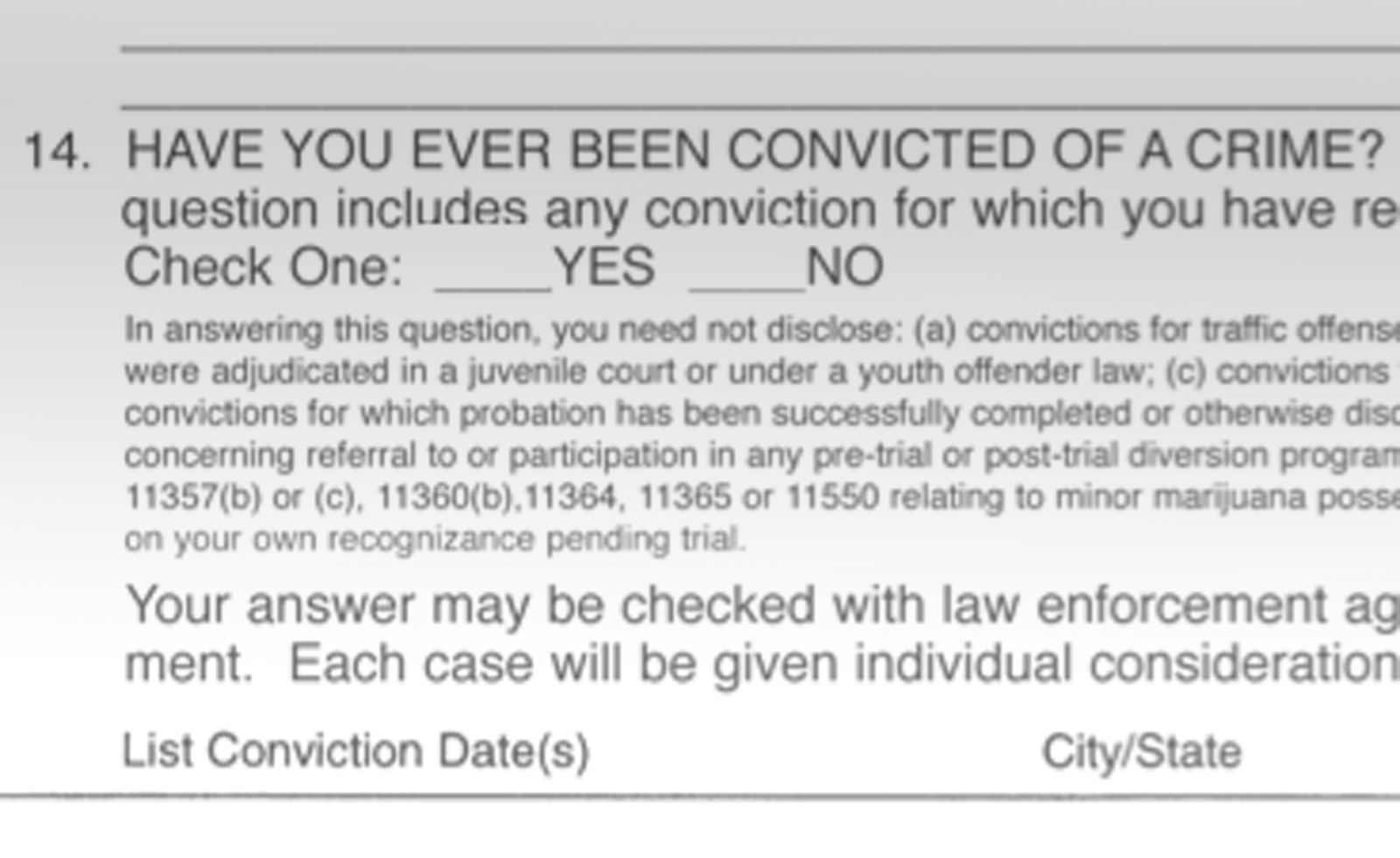
If your employer or licensing board has a disclosure process, follow it carefully and honestly. Many programs evaluate context, time passed, and relevance to the role. If you are unsure what will be asked, it can help to review your application questions in advance so you are consistent.