A crisp fold and a fresh perspective.
If a job involves driving, many employers will run a motor vehicle record check, often shortened to an MVR check. It’s straightforward: before an employer hands you keys, they want to confirm your license is valid and understand what your recent driving history looks like.
Here is what typically shows up on an MVR, how far back it may go, and how you can review your own record ahead of time without playing guessing games.
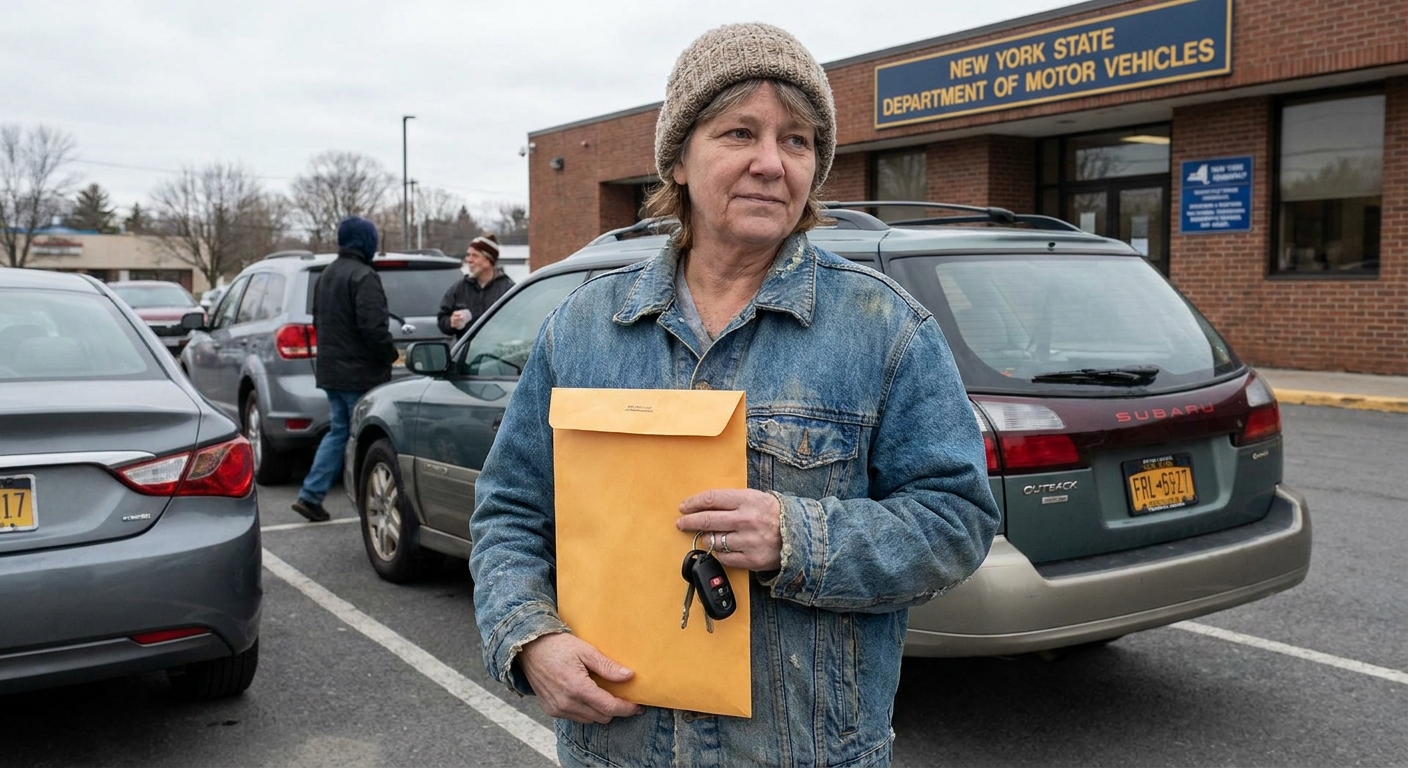
What an MVR check is
An MVR check is a search of your driving record through a state motor vehicle agency, such as a Department of Motor Vehicles, Department of Public Safety, or similar. It is separate from a credit report and separate from a criminal background check.
In other words, an MVR is about your driving privileges and driving-related history, not your finances or your full criminal history.
Why employers run it
Employers usually order an MVR when driving is part of the job, such as:
- delivery and courier roles
- sales roles with a company car or mileage reimbursement
- home health, field service, and repair jobs
- rideshare or shuttle roles
- positions that require a commercial driver’s license (CDL)
Many employers also need the MVR for insurance reasons. Their insurer may set minimum standards for who can be covered to drive on the job.
What an MVR is not
An MVR is not a full driving “life story,” and it is not the same as an insurance claims file. Depending on the state, some items you expect to see, like accidents or points, may not appear at all, or they may appear only under certain conditions.
Separately, some employers and insurers may consider other driving-related information, such as self-reported accident history or insurance claims databases. The MVR is still the starting point, but it is not always the only data source in play.
What is on an MVR
MVR formats vary by state, but most reports include a core set of details.
License status
Employers commonly look for whether your driver’s license is:
- valid and currently active
- suspended, revoked, or canceled
- expired or approaching expiration
- restricted, such as limits related to corrective lenses or time of day driving
The record may also show basics such as your name, date of birth, license number (sometimes masked), license class (noncommercial versus CDL class), and endorsements or restrictions.
Moving violations
Many MVRs list moving violations, which can include items like speeding, failure to obey a traffic signal, improper lane changes, or following too closely. Depending on the state, the record may include the violation date, the code or description, and the disposition.
Accidents
Some states include reported accidents on the driving record, but not all do. When accidents appear, the record may show the date and sometimes whether the driver was considered at fault, depending on how the state tracks it.
DUI and major offenses
Driving under the influence and other serious offenses often appear prominently and may remain on the record longer than minor tickets. How it is labeled can vary, for example DUI, DWI, OVI, or similar terms.
Points and actions
If your state uses a point system, the MVR may display points assessed per violation and possibly the current point total. It can also include administrative actions such as failure to appear, failure to pay, or required proof of insurance filings, depending on state rules.
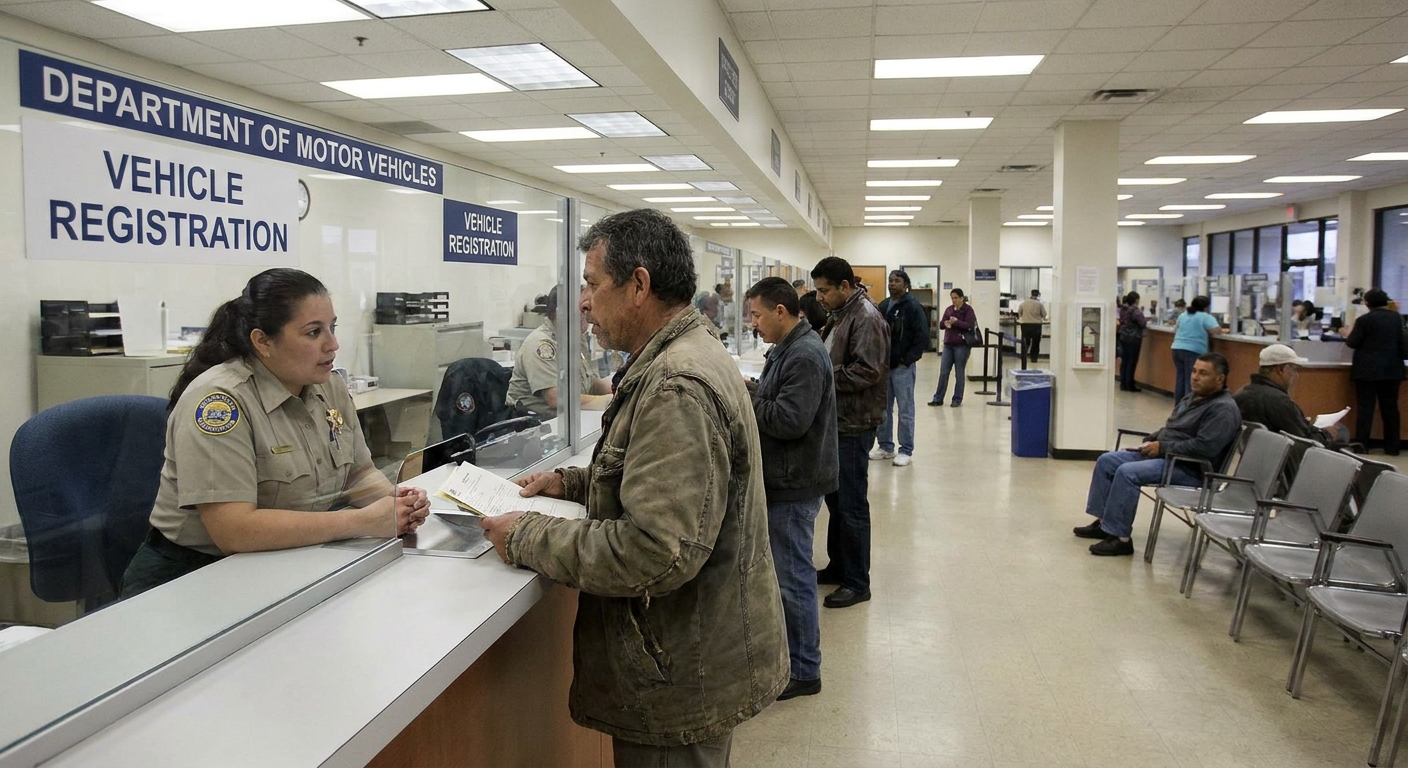
How far back employers look
There is no single universal lookback period. Two forces shape it:
- State recordkeeping rules: each state decides how long violations and actions remain visible on an official driving record.
- Employer and insurer standards: a company may set a policy such as “3 years clean” or “no major violations in 5 years.” These are often underwriting and safety guidelines, not legal limits, and what is available still depends on what the state record shows.
Common timeframes
- 3 years: often used for routine company driving
- 5 years: common for roles with heavier driving or higher insurance sensitivity
- 7 to 10 years: sometimes used for serious violations, commercial driving roles, or where state records retain items longer
Some states keep certain major actions longer, and in a few cases effectively indefinitely. If a role requires a CDL or involves transporting passengers or hazardous materials, expect closer scrutiny and, in some cases, additional state or federal disqualification rules.
How the process works
1) You authorize it
Employers typically ask for your authorization to request your driving record, especially when the MVR is obtained through a background screening company. Requirements can vary by state and by how the employer accesses the record.
2) The record is ordered
Some employers pull records directly from the state. Others use a screening provider that requests the MVR from the appropriate state agency.
3) The employer compares it to the job
One speeding ticket does not always end a candidacy. Many employers review patterns and severity, for example multiple violations in a short window, a major offense like DUI, or an active suspension.
4) If it affects the decision
If an employer uses a consumer reporting agency to obtain your MVR, the Fair Credit Reporting Act (FCRA) may require a pre-adverse action notice, a copy of the report, and a summary of your rights before a final adverse decision. If the employer pulls the record directly from the state, the exact notice and dispute steps can differ, but you can still ask what they relied on and how to correct an error.
Check your own record
If driving is part of the job, reviewing your own record early is one of the cleanest ways to reduce surprises. It also helps you correct errors before they become a hiring issue.
Start with your state agency
Most states allow you to request a copy of your driving record online, by mail, or in person. You may see multiple options, such as a certified record versus a noncertified record, or a record type tailored for insurance or employment. Fees vary by state, and some states charge more for certified copies.
Look for a page on your state’s official motor vehicle agency website that says “driving record,” “motor vehicle record,” or “MVR.” Avoid unofficial sites that charge extra fees for something your state can provide directly.
What to request
- the version that shows violations and status information
- the longest available timeframe, if the site offers multiple record lengths
- a certified copy if an employer specifically requires certification
If something is wrong
If you see an error, follow your state’s process to dispute or correct it. That might involve contacting the motor vehicle agency, providing court documentation, or confirming a ticket was resolved. Keep copies of any paperwork you submit and any confirmation you receive.

Common red flags
Every employer sets its own policy, but these are the issues most likely to trigger extra review for driving roles:
- active suspension or revocation
- an expired license when the job requires valid driving privileges
- major violations such as DUI, reckless driving, or hit and run
- multiple moving violations in a short period
- a pattern of accidents, if accidents appear on the state record
- CDL disqualifications or missing endorsements for commercial roles
If you have a suspension, the practical move is to address it directly through the state process. Do not try to hide it. Driving jobs are built on trust and insurability, and an active suspension is usually easy for an employer to confirm.
MVR vs other checks
It helps to know which file an employer is looking at, because each one answers a different question.
- MVR check: license status, driving violations, and driving-related actions from a state motor vehicle agency.
- Criminal background check: court records and related criminal history information, typically through databases and courthouse searches.
- Credit check: credit history information, typically used for certain finance-related roles, not for driving capability.
A driving role can include more than one type of screening, but the MVR is the driving-specific piece.
FAQ
Will an out-of-state ticket show up?
Sometimes. States can share certain information through interstate reporting and national systems, but reporting is not perfectly uniform. In some cases, an out-of-state ticket posts to your home state’s record. In others, it may not appear the way you expect. If you have been licensed in more than one state recently, an employer may request MVRs from multiple states.
Do parking tickets show up?
Often, no. Many MVRs focus on moving violations and actions tied to your driving privileges. Still, states differ, and some citations can lead to license actions if unpaid.
How long does an MVR check take?
It can be fast, sometimes same day, especially if it is ordered electronically. Delays can happen if a state system is slower, if identity details do not match perfectly, or if multiple states need to be checked.
What if my license is valid but I had a past suspension?
Some records show both current status and historical actions. Employers generally focus on whether you are currently eligible to drive and whether the history meets their safety and insurance standards.
Can I improve what my MVR says?
You cannot rewrite history, but you can make sure it is accurate and current. If an item should have been cleared, corrected, or updated, go through the official dispute or correction process with the state agency.
A neatly folded next step
If your next role involves driving, treat your MVR like you would a resume. Review it, confirm the basics match, and address mistakes early. When you know what employers are likely to see, you can focus your energy where it belongs: showing you are ready to drive the job forward safely and reliably.