I grew up in a working-class family where “interview clothes” sounded like something other people had. When I started helping students in admissions and later candidates in recruiting, I saw the same worry again and again: “What if I show up overdressed, underdressed, or just… wrong?”
Here is the truth I wish someone had told me sooner: most interview outfits are less about having expensive pieces and more about matching the setting, looking clean and intentional, and keeping distractions to a minimum. You can do that with a small set of basics and a few smart adjustments.
Start with the goal
When employers say they want someone “professional,” they usually mean: you look like you understand their environment and you will represent the company well. And yes, norms can vary by region and industry. A finance office in New York may read “professional” differently than a West Coast tech company. When in doubt, aim for respectful and slightly polished.
Use this quick decision rule
- If you are unsure, dress one level more polished than the everyday dress code. For example, if the workplace is business casual, you can lean business professional for the interview.
- Let the role and setting lead. An accounting role at a bank and a picker role at a distribution center can both be great jobs, but the right interview outfit will look different.
- Prioritize fit, cleanliness, and comfort. If you tug at your shirt throughout the interview, that becomes your “tell.”
How to figure out the dress code fast
- Check the company’s About page and social media photos. Look for staff photos or event photos taken at work.
- Look at the job posting language. Words like “client-facing,” “professional environment,” or “warehouse floor” are clues.
- Ask the recruiter. A simple, confident question works: “What is the typical dress code in the office or on-site?”
Office interviews
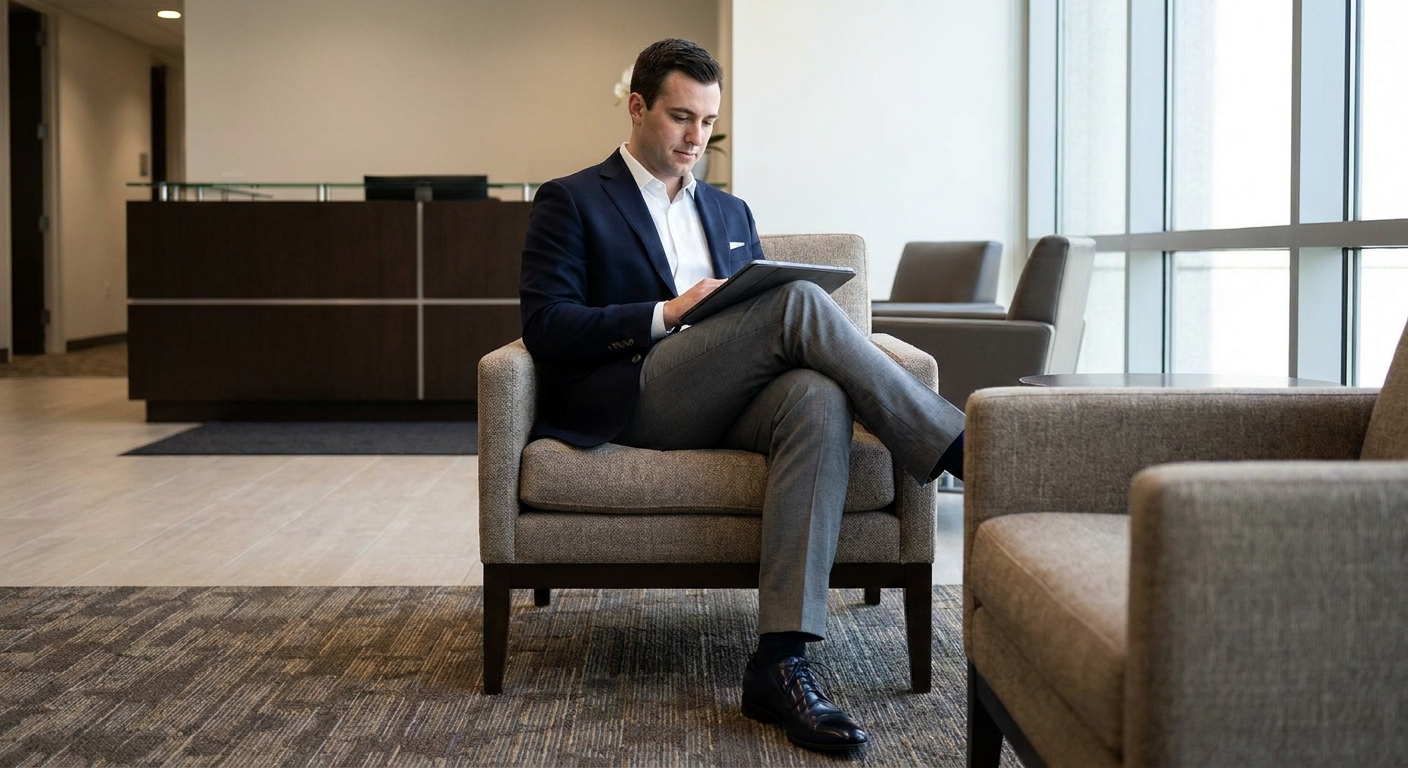
If you are interviewing in a more traditional office setting, or a role that meets with clients, business professional is often the safest choice. That said, plenty of modern client-facing workplaces run more business casual, so use your research to calibrate.
What to wear
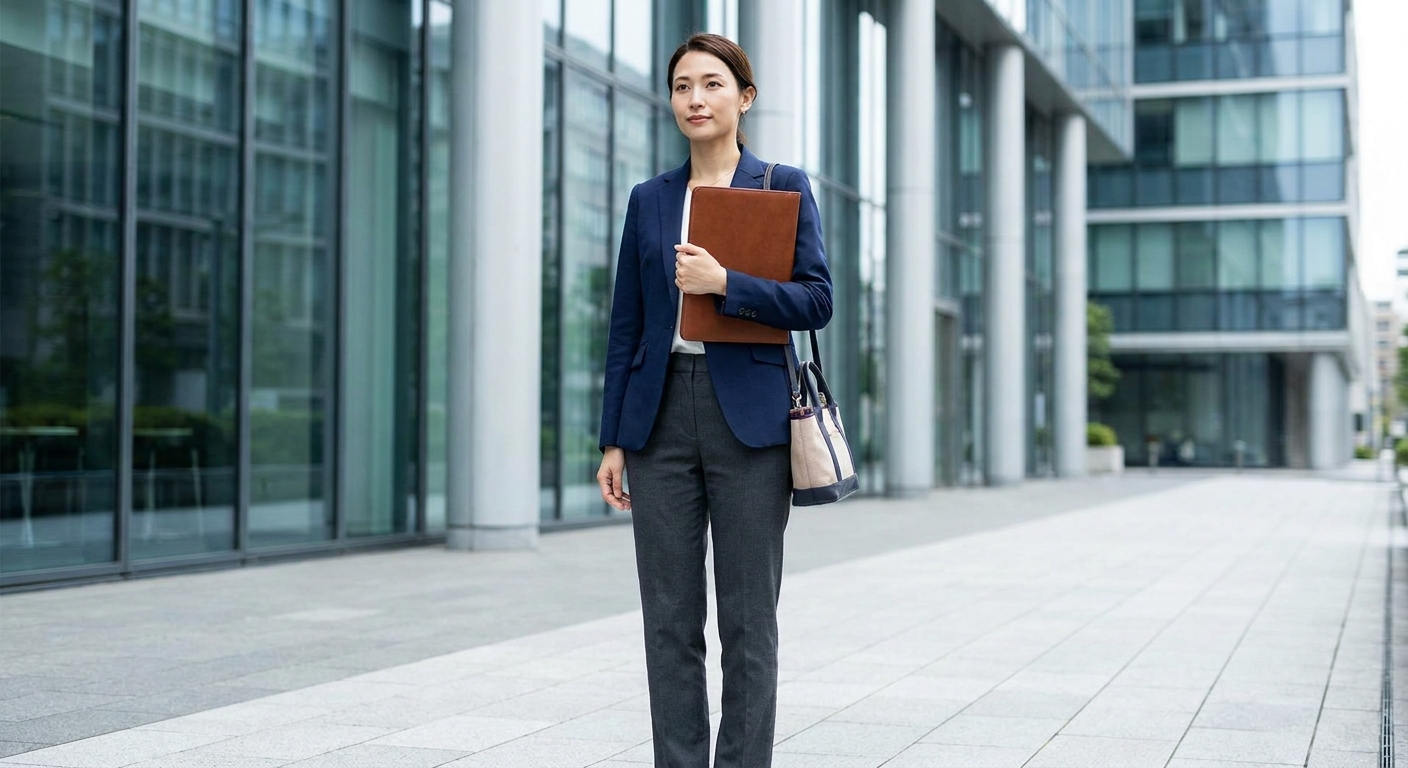
- Suit or blazer plus matching slacks or a knee-length skirt in a neutral color like black, navy, or charcoal
- Button-down shirt or a simple blouse with a modest neckline
- Closed-toe shoes such as loafers, flats, oxfords, or low heels you can walk in
- Belt and minimal jewelry if you wear accessories
Easy swaps if you do not own a suit
- Wear a solid blazer over a simple top and tailored slacks. A separates look reads polished even without a full suit set.
- Choose a structured cardigan in a dark neutral if you do not have a blazer. It is not identical, but it can still look intentional if everything fits well.
I have seen plenty of candidates “win the room” in a thrifted blazer and well-fitting slacks. Expensive is optional. Intentional is not.
Business casual interviews
Business casual is the most common gray area. Many companies use the term, but what they mean varies. Your goal is to look slightly more polished than the day-to-day team.
What to wear
- Chinos or tailored slacks (avoid wrinkled, overly tight, or low-rise fits)
- A blouse, knit top, or button-down in a solid color or subtle pattern
- A blazer, cardigan, or clean sweater layer if the space is cold or you want extra structure
- Loafers, flats, or clean dress shoes
What to avoid
- Jeans, unless you are explicitly told “jeans are fine for interviews,” or the company is known for denim and you can confirm
- Graphic tees, ripped fabric, and visibly worn sneakers
- Anything you cannot sit, stand, and walk in comfortably
Quick formula: well-kept top + tailored bottom + structured layer (optional) + closed-toe shoes.
Warehouse and trades interviews
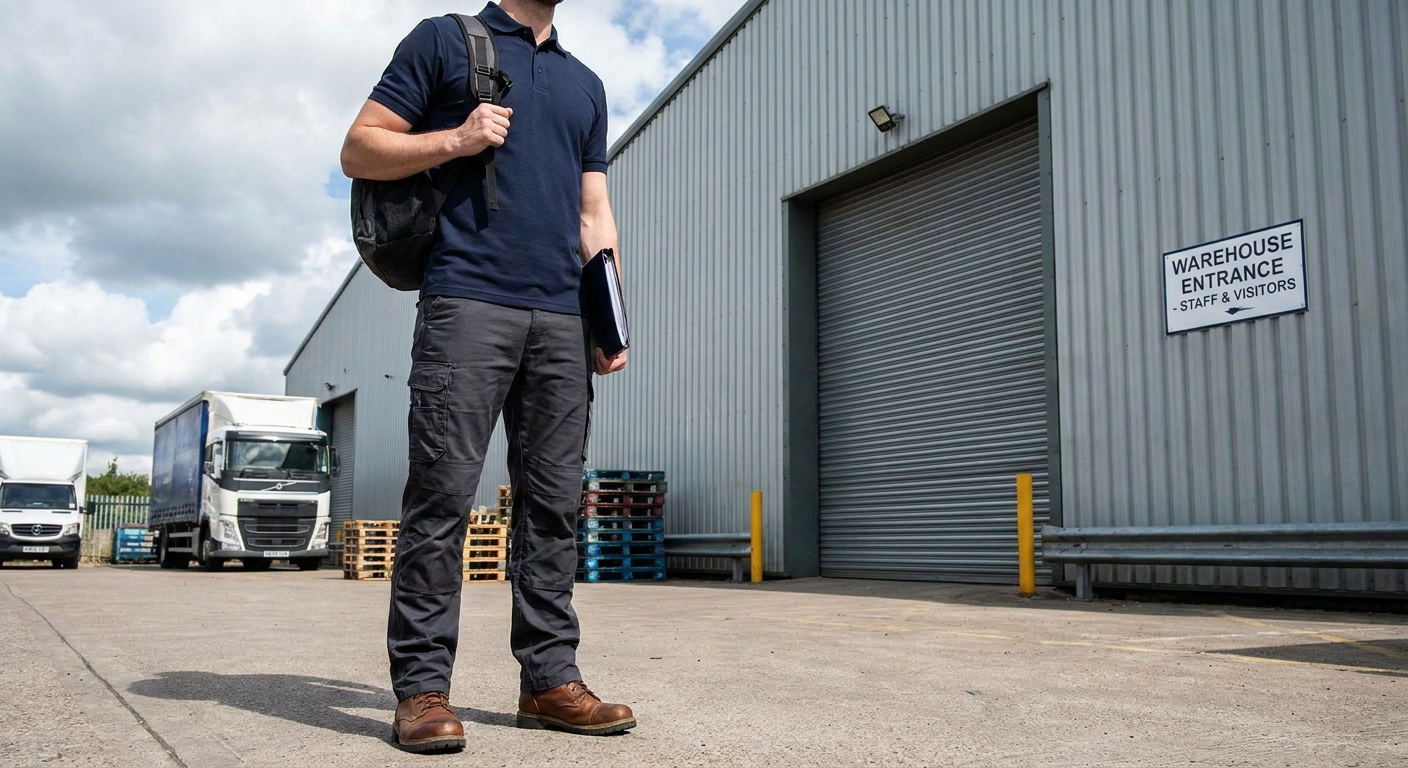
For roles in warehouses, plants, and hands-on environments, you want to look ready to work safely, while still showing respect for the interview. Many employers will tour you through the floor, so footwear and practical choices matter. In my experience, a simple, sturdy outfit can signal “I understand the work” better than trying to dress like an office job.
What to wear
- Clean work pants or dark, non-distressed jeans (no rips, no sagging)
- A plain polo, henley, or button-down in a neutral or muted color
- Closed-toe shoes with solid traction. If you have clean work boots, that can be appropriate, especially if the interview includes a walk-through.
- A belt if your pants require one for a secure fit
What to avoid
- Open-toe shoes or slippery soles
- Very loose clothing that could snag during a facility tour
- Strong fragrances (some facilities are scent-sensitive)
Uniformed work interviews
Uniformed roles include healthcare, security, public safety-adjacent jobs, hospitality, and many customer-facing positions. Even if you will eventually wear a uniform, your interview outfit should show reliability and good grooming.
Healthcare roles
I hired for nursing roles for years, and the best interview outfits were consistently simple and sharp.
- Business casual is usually the sweet spot: slacks and a blouse or button-down, or a modest dress with a cardigan or blazer
- Skip scrubs unless you are instructed to wear them or you are coming directly from a shift and have approval
- Choose shoes that are clean and quiet when you walk
Security and hospitality roles
- Neat, neutral business casual works for most roles
- If the company brand is formal, a blazer is a strong upgrade without being too much
- Keep hair and nails tidy. In uniformed work, grooming reads as job readiness.
Video interviews
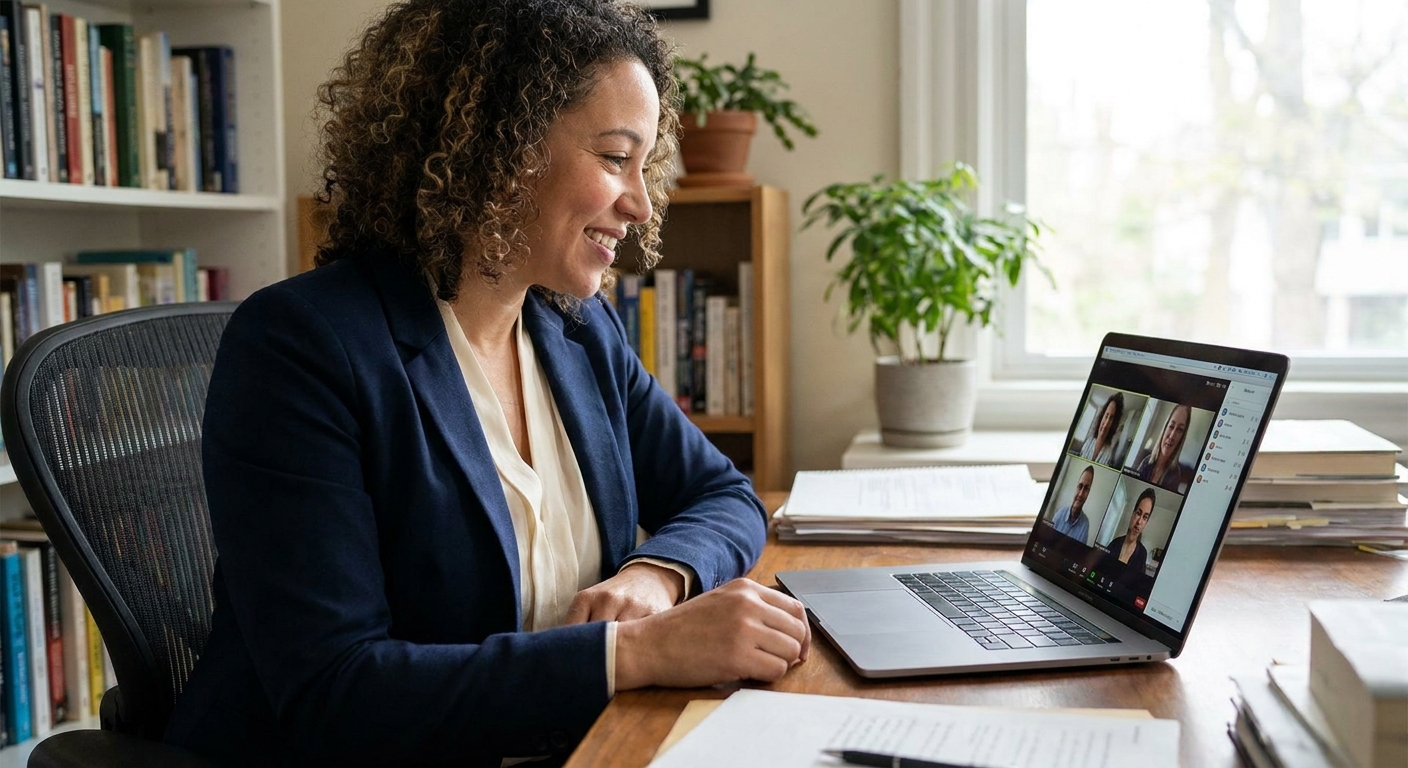
Video interviews trip people up because you can look “fine” on camera while still coming across as sloppy, overly casual, or washed out. Depending on the camera and lighting, video can exaggerate contrast and make wrinkles stand out more than you expect.
What to wear on camera
- Solid colors like navy, forest green, burgundy, cream, or black
- A structured top such as a blouse, button-down, or knit with a clean neckline
- Light layering like a blazer or cardigan to sharpen your silhouette
What to avoid on video
- Busy patterns (especially tight stripes) that can flicker on camera
- Bright white if it blows out under your lighting
- Shiny jewelry that reflects light near your face
Yes, wear real pants
I know the temptation. But wearing a full outfit changes your posture and helps you stay in interview mode. Also, you never know when you might need to stand up unexpectedly.
Look ready without buying more
You do not need five different outfits for five different job settings. You need a small, flexible set of pieces that mix and match.
A simple interview capsule
- One structured layer: blazer, knit blazer, or polished cardigan
- Two tops: solid blouse, button-down, or elevated knit top
- Two bottoms: tailored slacks, chinos, or dark, non-distressed jeans (for more casual settings)
- One pair of shoes: closed-toe loafers, flats, or clean dress shoes you can walk in
Low-cost upgrades that matter
- Steam or press your outfit. Wrinkles can make great clothes look last minute.
- Use a lint roller. Especially if you have pets, dark fabrics show everything.
- Check fit at the shoulders and waist. Tailoring is ideal, but even small fixes like hemming pants can elevate the look.
- Keep grooming simple and neat. Clean nails, brushed hair, and minimal fragrance go a long way.
If money is tight, spend on the item that improves the whole outfit. In many office settings that is shoes or a structured layer. In more hands-on roles, it might be replacing a worn shirt or making sure your boots are clean and in good shape.
Inclusive and practical notes
Professional does not mean pretending to be someone else. It means showing up neat, prepared, and ready to do the job.
- Gender-neutral options: A blazer and slacks with a button-down or knit top works across presentations.
- Religious and cultural dress: Clean, coordinated pieces in muted colors usually read polished in any setting. If you wear a head covering, choose one that feels secure so you are not adjusting it during the interview.
- Natural hair and protective styles: Neat, comfortable, and out of your face is the goal, not “one specific look.”
- Comfort and sensory needs: Breathable fabrics, layers you can remove, and shoes you can walk in count as professionalism because they help you stay focused.
- Fit tips: If sizing is a challenge, prioritize shoulders, waist comfort, and hem length. A simple hem can change the whole look.
Colors and accessories
You do not have to erase your personality. You just want the interviewer to remember your answers, not your neon tie or jangly bracelets.
Colors that rarely fail
- Neutrals: black, navy, charcoal, gray, tan, cream
- Muteds: forest green, dusty blue, burgundy, soft pink
- One accent at a time if you love color, like a scarf, blouse, or tie in a richer shade
Accessories and grooming
- Jewelry: simple and quiet
- Hair: out of your face so you are not adjusting it constantly
- Fragrance: light or none, especially for healthcare and manufacturing environments
- Tattoos and piercings: follow the workplace norm. If you are unsure and the role is conservative, choose a more neutral presentation for the interview.
Edge cases
Some interviews do not fit neatly into one box. Here are a few common ones I have coached people through.
- Creative roles (design, marketing, media): Business casual plus one tasteful personal detail (color, scarf, statement shoe) is usually a smart middle ground. Let your portfolio do the loud talking.
- Education and academia: Aim for business casual leaning formal. Think blazer or cardigan, polished shoes, and muted colors.
- Retail and restaurants: Clean, simple business casual is a safe default. If the brand is very formal, add a blazer. If it is very casual, keep it tidy and slightly elevated.
- Government, legal, court-related settings: When the environment is conservative, lean conservative too. Darker neutrals, minimal accessories, and a structured layer tend to be the safest bet.
Weather and commute
Some of the most polished candidates I have coached did one extra thing: they planned for the walk from the parking lot, the bus ride, or the rainstorm.
- Bring a simple jacket or coat that does not shed lint or hair onto your outfit.
- Choose weather-appropriate shoes if you will be walking. You can still look put-together in practical footwear for the commute.
- Pack a backup plan: a spare shirt or deodorant in your car or bag if you can. If you cannot, at least arrive early enough to cool down and reset.
Outfit examples
Traditional office
- Navy blazer + white button-down + charcoal slacks + closed-toe loafers
Business casual office
- Solid sweater + tailored chinos + loafers
- Blouse + slacks + flats
Warehouse or manufacturing
- Clean polo + dark work pants + sturdy closed-toe shoes or clean work boots
Uniformed roles
- Button-down or blouse + slacks + simple shoes
Video interview
- Solid top + blazer or cardigan + minimal jewelry
Last look checklist
- Clothes are clean, pressed, and fit comfortably
- Shoes are clean and appropriate for the setting
- Hair is neat and out of your face
- No distracting accessories or strong fragrance
- Pockets are empty or smooth (no bulges from keys or phone)
- You can sit, stand, and walk without adjusting your outfit
If you are still unsure, take one quick photo of yourself in natural light. It is the fastest way to spot a wrinkled collar, a visible undershirt, or a fit issue you missed in the mirror.
FAQ
Is it better to be overdressed or underdressed?
In most professional settings, slightly overdressed is safer than underdressed. The key is to look like you made a thoughtful choice, not like you wore a tuxedo to a startup.
Can I wear jeans to an interview?
Sometimes. Dark, clean, non-distressed jeans can be appropriate for warehouse roles, skilled trades, and very casual workplaces. For office roles, choose slacks or chinos unless you are specifically told jeans are acceptable.
Do I need a blazer?
No, but a structured layer is one of the easiest ways to look put-together. A blazer is ideal for many office interviews, while a clean cardigan or sweater can work well for business casual and video interviews.
What should I wear if I am interviewing for a remote job?
Dress for the role level and company culture, just on camera. If the company is corporate, lean business professional from the waist up. If it is business casual, a solid top with a cardigan or blazer usually hits the right note.