A crisp fold and a fresh perspective.
If your background check shows a pending charge, it can feel like you are stuck in the middle of a sentence. Not convicted, not cleared, just… open. The good news is that “pending” has a specific meaning in most reports, and you can respond in a way that is honest, calm, and protective of your job search.

What “pending” means
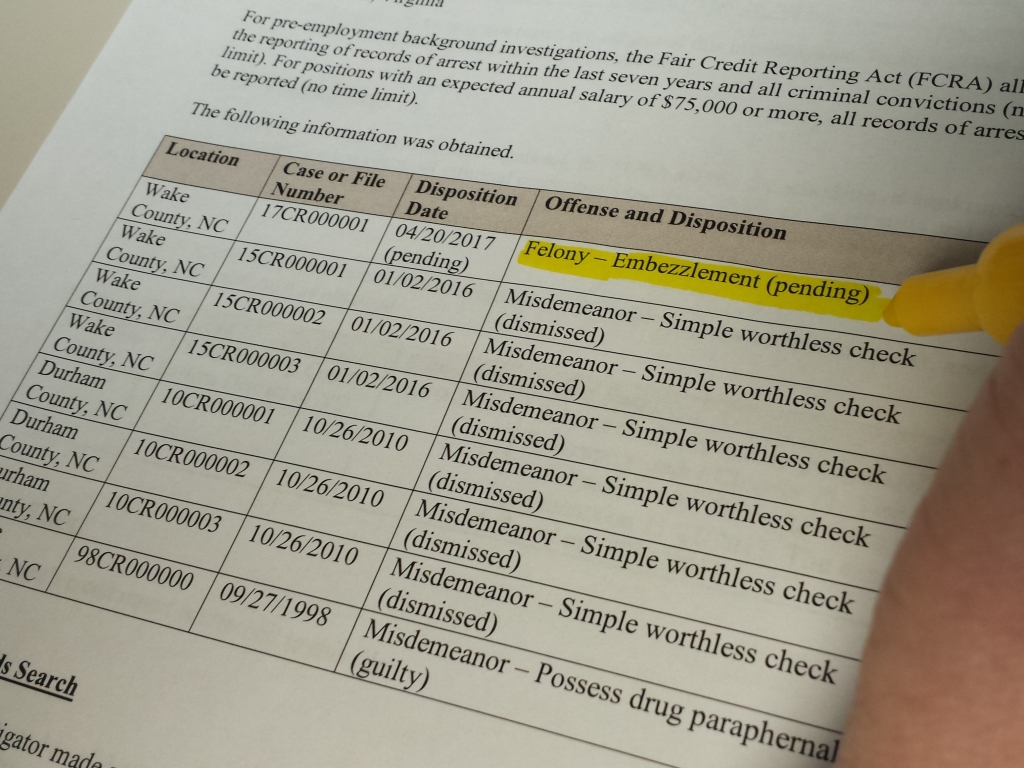
A pending charge typically means the report is showing an open criminal case that has not reached a final outcome. In other words, the court record exists and the case is still in progress.
Depending on the jurisdiction and the screening vendor’s terminology, “pending” might also appear as:
- Open
- Active
- In progress
- Awaiting disposition
- No disposition reported
Important: Some labels describe the court’s case status. Others can reflect a reporting gap, meaning the vendor could not retrieve or confirm the latest outcome yet. That is why it is worth verifying the status directly with the court when you can.
Also important: Pending is not the same thing as convicted. It is also not the same thing as dismissed. Avoid describing it as either one.
How to read the entry
Background checks often list a lot of fields. Slow down and look for the parts that show whether this is actually your case, and what the report says the current status is.
Key fields to look at
- Name and identifiers: full name, date of birth (sometimes partial), and other identifying info used to match records.
- Jurisdiction: the court name, county, or state where the case is filed.
- Case number: the court’s tracking number. This is one of the fastest ways to verify details.
- Charge: the alleged offense and sometimes the statute code.
- Filed date: when the case was opened.
- Disposition: this is the outcome field. For an open case, it may be blank or say pending.
- Next court date: sometimes listed, sometimes not.
What you are trying to confirm
- Is this entry actually you?
- Is the case truly still open, or has it recently closed and the report has not updated?
- Is the report mixing together multiple people with similar names?

If an employer asks
Employers ask in different ways. Some ask on an application. Some ask after the background check comes back. Some only ask if something appears on the report.
Your goal is to be truthful, brief, and accurate about the status.
Match the question
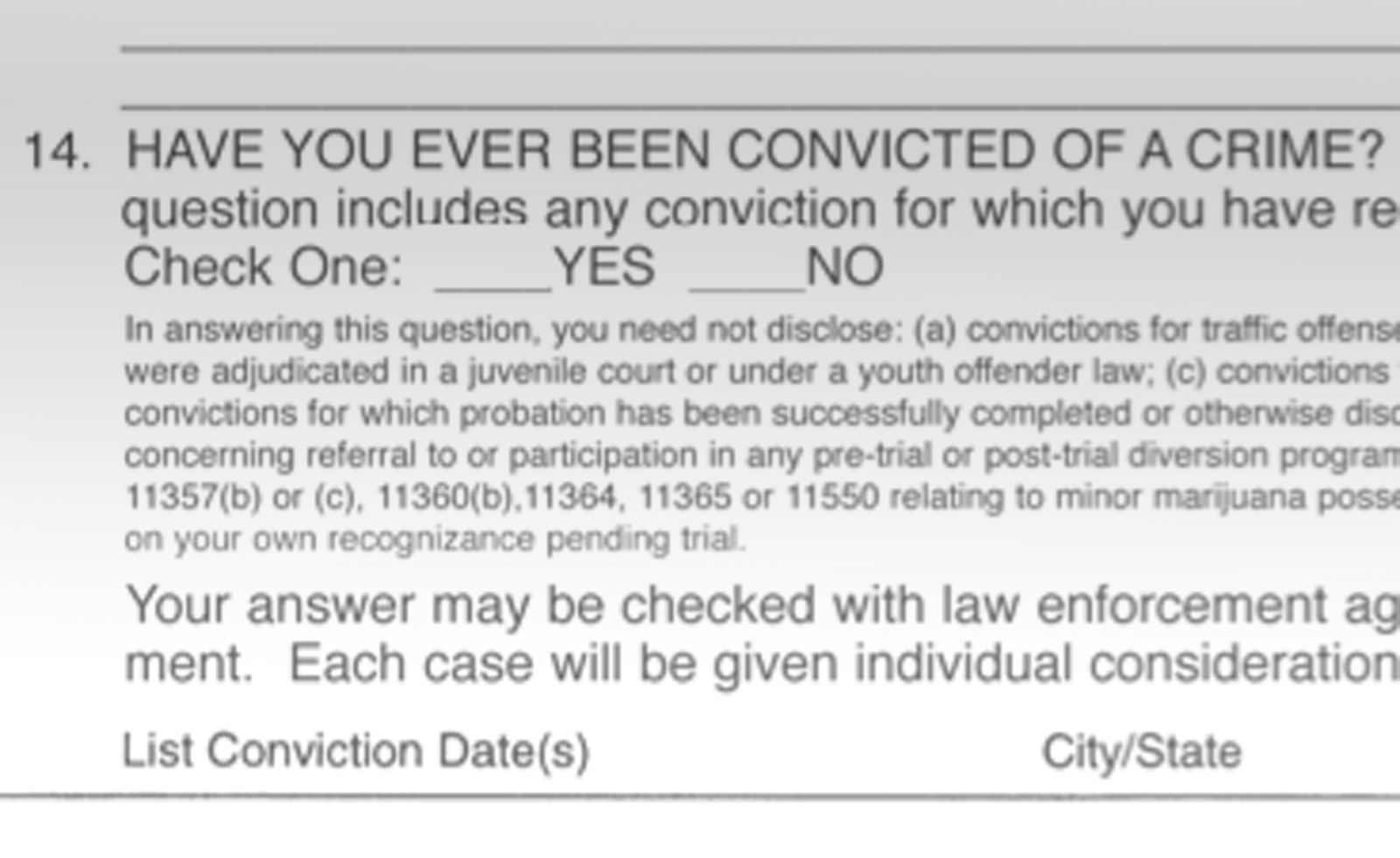
Pay attention to the exact wording. There is a big difference between “Have you been convicted?” and “Have you been charged?”
- If the question is about convictions only, a pending charge is not a conviction. Answer the question as asked, and be ready to address the pending item if it appears later in the screening.
- If the question includes charges, arrests, or open cases, then a pending case may need to be disclosed. Stick to what is verifiable: jurisdiction, case number, and current status.
If you are applying in a regulated field or for a licensed role, disclosure rules and expectations can be stricter. When in doubt, consider getting legal advice for your specific situation.
Use accurate status language
These phrases are generally safer and clearer than trying to summarize the whole situation:
- “There is an open case that is still pending. There is no final outcome yet.”
- “The charge is pending, and I am following the legal process. I can share the current status as reflected by the court.”
- “I want to be clear that this is not a conviction, and it has not been dismissed as of today.”
A simple script you can adapt
If you are asked directly, a straightforward answer often works best:
“Yes, a pending charge may appear on my background check. The case is still open and has not reached a disposition. I understand you may need to consider it, and I am happy to provide the case number and the jurisdiction so you can confirm the current status.”
If you have legal counsel, you can keep it even tighter and avoid discussing details:
“My attorney has advised me not to discuss the facts of an open case. What I can share is that the matter is pending and there is no final disposition at this time.”
Do not call it dismissed
This matters enough to say plainly: do not call a pending case “dismissed” unless you have documentation showing a dismissal and the court record reflects it. Even if you expect it to be dismissed, “expected” is not a status. Employers may treat an inaccurate statement as a trust issue.
Ask for time to review
If the pending charge surprises you, or if you are not sure what the entry refers to, it is reasonable to ask for time to look at the details.
Try something like:
“Thanks for flagging that. I would like to review the report and confirm the case details and status. Can I follow up with you tomorrow after I check the court record?”
That pause gives you space to verify whether the entry is yours and whether the status has changed.
How to verify the status
You do not need to guess. You can often confirm an open case through official sources, but access varies by location, case type, and whether a matter is sealed or restricted.
Good places to check
- The court’s online case search (many counties and states have one).
- The clerk of court for the listed jurisdiction (phone or in-person requests vary by location).
- Your paperwork from the court, your attorney, or prior hearings.
If you find that the case was dismissed, reduced, resolved, sealed, or expunged, keep copies of the court order and any updated docket entries. A background check can lag behind court updates, and some sources may not be permitted to report certain sealed information.
If it is not yours
Mistakes happen. The most common issues are mixed records (similar names), data entry errors, or outdated updates. If the entry is not you, treat it like an identity and matching problem, not a debate.
Step 1: Get a copy of the report
If you have not already, request a copy of the exact report the employer received. You need to see the same case number and jurisdiction they are looking at.
Step 2: Collect proof
- A screenshot or printout from the court docket showing different identifying details, or that the person is not you
- Documentation showing your legal name, prior names (if relevant), and accurate date of birth
- If available, proof of different address history than the one associated with the case
Step 3: Dispute with the background check company
Most screening companies have a dispute process. In the United States, consumer reporting agencies are generally required to provide a way to dispute inaccurate information, and to reinvestigate. Elsewhere, the process and your rights vary, but many vendors still offer a formal correction channel.
Be specific and stick to identifiers:
- Quote the case number, court, and the exact line item you are disputing.
- State clearly: “This record does not belong to me” or “This status is inaccurate and needs to be updated.”
- Attach supporting documentation where allowed.
Step 4: Tell the employer you are disputing it
You do not need to overshare. You can simply say:
“I reviewed the report and I believe that entry is not associated with me. I have submitted a dispute to the screening company and can share updates as soon as I receive them.”

If it is yours, but wrong
Sometimes the person is correct, but the details are not. Common examples include the wrong disposition field, wrong level of offense, duplicate cases, or old charges that were amended.
Use the same approach:
- Verify with the court record using the case number and docket entries.
- Dispute inaccuracies with the screening company and provide documentation.
- Communicate accurately with the employer, focusing on current status rather than the story.
What to avoid saying
When the stakes are high, it is tempting to fill silence. These are the most common missteps that can create bigger problems than the pending case itself:
- Do not say it was dismissed if it is still open.
- Do not guess at the exact charge language if you are unsure. Refer to the court’s wording or the case number.
- Do not minimize by claiming “it is nothing”. A calmer approach is “It is pending and unresolved.”
- Do not share sensitive details you are not comfortable having repeated or recorded.
FAQ
Can an employer rescind an offer because of a pending charge?
It can happen, especially for roles with legal, safety, financial, or licensing requirements. Policies vary by employer and by role. In some places, employers must follow notice steps before taking adverse action based on a background report. If you are asked, keep your explanation factual and focused on status.
Will a pending charge always show up?
Not always. What appears depends on the type of screening, the jurisdiction, and what the database or court record makes available. Some checks pull directly from county court records, where pending cases may be visible.
How long does a pending charge stay on a background check?
Often until the court updates the case with a final disposition and the screening data refreshes. After that, the record may still appear as history, but the pending label should change to the actual outcome. If your case is resolved and the report still shows pending later, dispute the outdated status with documentation.
Should I proactively bring it up before the background check?
Sometimes. If you know it will appear and the role is sensitive, a brief heads up can prevent surprises. If you are unsure whether it will appear, you can wait and respond if asked. When in doubt, prioritize accuracy over speed.
The clean takeaway
A pending charge on a background check is an open case, not a final result. Read the entry carefully, verify what the court shows when you can, and answer employer questions in a way that is truthful and precise. And if the record is not yours, dispute it promptly with documentation.
If you keep your language crisp and your facts straight, you give yourself the best chance to be evaluated on what you can control, your skills, your fit, and your next good step.