A crisp fold and a fresh perspective.
When you’re applying for a job, it’s natural to wonder what a background check will reveal, especially if you have a misdemeanor conviction in your past. The short, steady answer is: misdemeanor convictions often do show up. Whether they appear, how far back the report goes, and how it’s described depends on where the case happened, what databases are searched, and what rules apply in the state where you live or work.
Let’s unfold what you can typically expect, plus how to answer applications honestly and how to verify your own record for accuracy.

Do misdemeanor convictions show up on background checks?
Yes, misdemeanor convictions can show up on many employment background checks. Many pre-employment criminal screenings focus on convictions, including misdemeanors and felonies, because convictions are generally the most reliable public record outcome.
That said, results vary for a few common reasons:
- Search scope: A check limited to one county might miss a conviction from another county or state.
- Reporting rules: Some states limit how far back certain records can be reported in employment screens, and the details are state-specific.
- Record handling: Older cases, expunged or sealed cases, or cases with incomplete data may not appear or may appear differently.
- Name and ID matching: If your name is common, or if a record is indexed incorrectly, it might show up as a “possible match” that needs verification.
If a misdemeanor is on file with the court and is not sealed, it is often discoverable through a direct court records search.
What kind of misdemeanor information is reported?
A criminal background check that finds a misdemeanor conviction will often report details such as:
- Jurisdiction (county and state)
- Case number
- Charge(s) and charge level (misdemeanor)
- Disposition (for example: guilty, nolo contendere, convicted)
- Disposition date
- Sentence information (varies by source and state)
Important nuance: Employers should receive only information that is permissible under applicable law and supported by the authorizations you sign. In many standard employment screens, that means court records and related identifiers. In some regulated or government contexts, additional sources or access may apply.

What does not count as a conviction?
This is where background-check anxiety often comes from. People use “misdemeanor” to mean a lot of different things, but employers and reporting agencies usually separate them.
- Arrests without conviction: An arrest is not a conviction. Whether arrests can be reported or considered depends on state law, employer policy, and the type of role.
- Dismissed cases: A charge that was dismissed (or resulted in acquittal) is not a conviction, even if it still appears in some records.
- Pending cases and warrants: Some screenings can surface pending matters or warrants, especially when they check recent court activity. How employers treat them varies and is often role-dependent.
If you are reading a report and something looks like a conviction but you remember it being dismissed, that is a cue to verify the court disposition and, if needed, dispute the way it is being reported.
How far back do misdemeanors show on a background check?
There is no single nationwide lookback period that applies to every employer and every state. Instead, how far back a misdemeanor can show depends on state law, the type of screening, and the employer’s policy.
Common reality: “7-year” is not universal
You will often hear about a “7-year background check.” That can be a real limit in certain situations, but it is not a blanket rule for all misdemeanors in all states.
Here are the big moving pieces:
- State reporting limits: Some states restrict reporting of certain records after a number of years. Some also use salary thresholds or role categories, but those rules are state-specific and not universal.
- Federal rules and job type: Certain positions can involve deeper checks due to regulations or licensing requirements.
- Employer policy: Even if something can be reported, an employer may choose to look back only a certain number of years.
What about very old misdemeanors?
Older misdemeanors can still appear if the court record is available and not sealed. In other cases, older items may not show up because the employer uses a limited scope, the record is not digitized, or the state restricts reporting.
If you need the most accurate answer for your situation, focus on where the case occurred and where you’re applying since rules can differ across state lines.
County vs state searches: why scope matters
If you’ve ever thought, “It happened in another county, so maybe it won’t show,” you’re thinking about scope. Background checks can be built in different ways, and scope affects what gets found.
County criminal searches
A county search checks court records in a specific county. This is often where the most detailed, up-to-date information lives, because misdemeanor cases are commonly handled at the county level.
Pros: Often more complete and specific.
Cons: Can miss records outside that county.
Statewide repository searches
Some checks search a statewide criminal history repository. This can catch records across the state, but the data may not be as detailed as the court record, and not every county reports in the same way or on the same timeline.
Pros: Wider net within one state.
Cons: Can be incomplete or delayed depending on reporting practices.
Multi-state and national database searches
Some screenings use multi-jurisdiction databases or pointer tools that suggest where records might exist. These can help identify locations to search, but they are not always definitive on their own.
Key takeaway: If you have a misdemeanor conviction, it can show up through a county court search even if a broader database search does not pick it up, and the reverse can also happen.

Will a misdemeanor stop you from getting hired?
A misdemeanor conviction can affect hiring, but it does not automatically mean “no.” Many employers evaluate context, such as:
- Relevance: Does the conviction relate to the job’s responsibilities?
- Time: How long ago did it occur?
- Pattern: Is it a single event or part of multiple issues?
- Evidence of change: Work history, training, references, and stability since the conviction.
Regulated roles can be different
Some fields tend to run deeper checks or follow stricter rules, including roles in healthcare, childcare, education, finance, transportation, and government contracting. If you are applying in a regulated industry, expect more formal screening and, sometimes, different standards about what can be considered.
Some states and cities also have “fair chance” hiring rules that affect when and how employers can ask about or consider criminal history. These rules vary widely, so it’s worth checking local guidance for where you live and work.
How to answer job applications honestly (without oversharing)
This is the fold where people feel the most pressure. The goal is to be truthful and precise. For edge cases, it can be worth getting legal advice in your state, especially if you have expunged or sealed matters or you are applying into a regulated role.
Read the question carefully
Applications do not always ask the same thing. Common versions include:
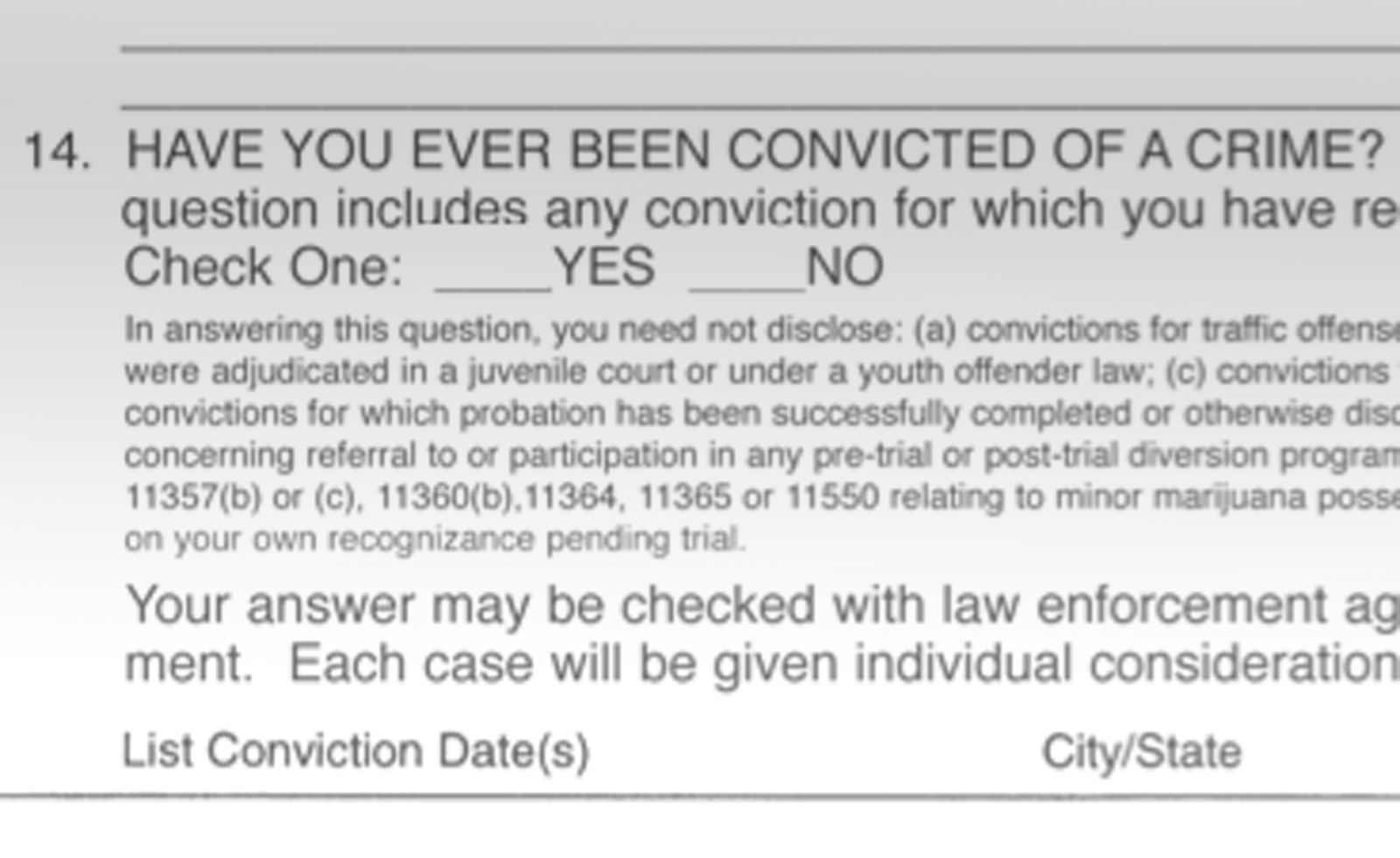
- “Have you ever been convicted of a misdemeanor?”
- “Have you ever been convicted of a crime other than a minor traffic offense?”
- “Have you been convicted in the past 7 years?”
- “Do you have any convictions that have not been sealed or expunged?”
Answer the question asked, not the question you fear they meant.
If it asks about convictions, stick to convictions
A conviction is different from an arrest, a dismissed case, or a charge that never led to conviction. If the question is limited to convictions, do not add extra history that was not requested.
If you’re unsure, ask for clarification in writing
If you are confused about time frames or what counts, it is reasonable to ask HR or the recruiter for clarification. Keep it short and factual.
Never guess if you can confirm
If you’re not sure what your record shows, pause and verify before you submit. A mismatch between your application and a report is a common cause of stress, even when the situation is fixable.
How the background check process usually works
Most employment background checks follow a predictable rhythm:
- Consent: You typically sign an authorization before a consumer reporting agency runs a report for employment purposes.
- Turnaround: Some checks come back quickly, while county court searches can take longer depending on court access and volume.
- If something negative appears: In many cases, you should receive a chance to review and respond before a final decision is made, especially when a consumer reporting agency report is involved.
Policies and timelines vary by employer and state, but if you are asked to explain a record, staying calm and sticking to the documented facts is usually the best path through it.
How to check what’s on your record (and fix mistakes)
If you want clarity, the best move is to check your information before an employer does. Here are practical places to start:
1) Request your own report and know your rights
If a company uses a consumer reporting agency for a pre-employment background check, the Fair Credit Reporting Act (FCRA) generally requires a process if the employer may take adverse action based on the report. That often includes a pre-adverse action notice with a copy of the report and a summary of your rights, followed by an adverse action notice if the employer makes a final decision. Those notices are also your roadmap for how to request the report and dispute inaccuracies.
2) Search county court records where the case occurred
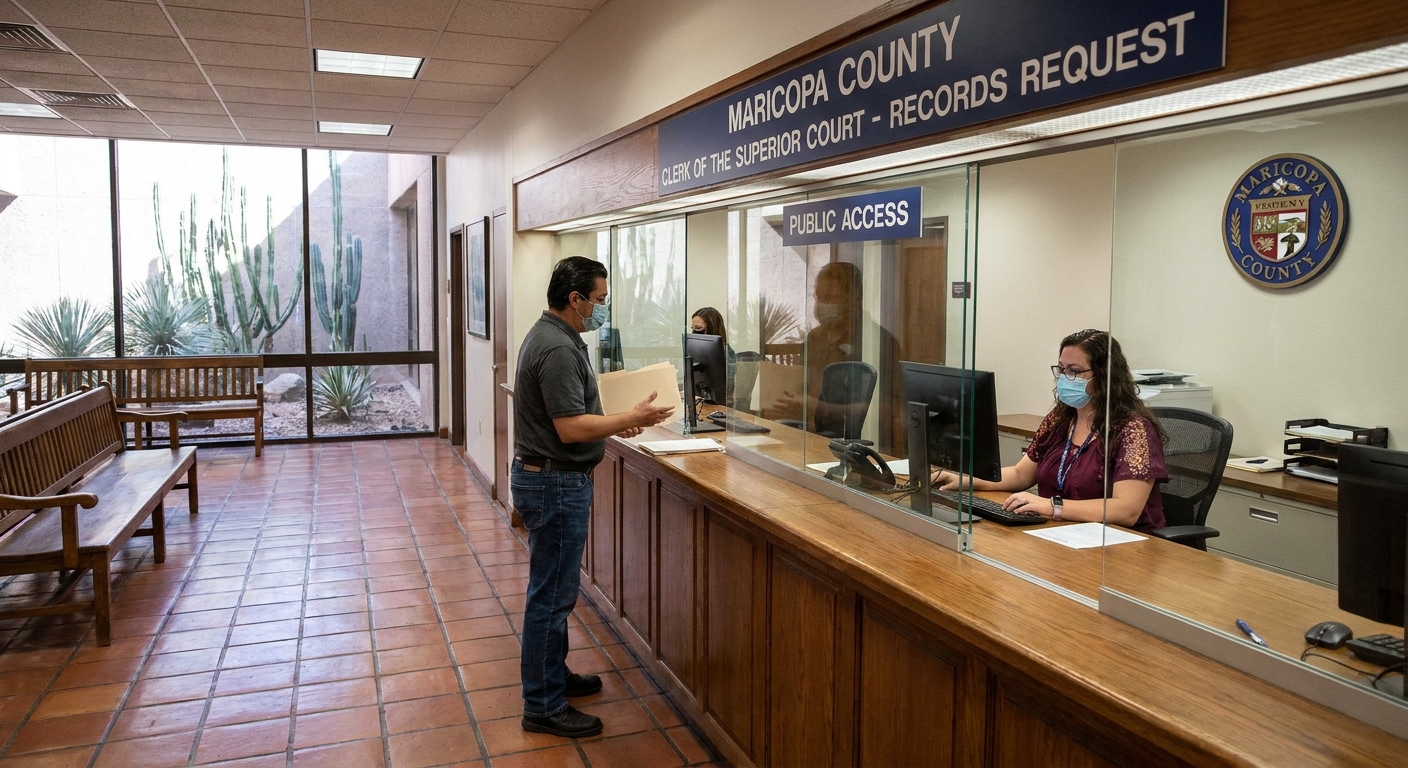
Many counties have online court record portals. Some require creating an account or visiting in person. When you find your case, compare the listed charge and disposition to what you believe is accurate.
3) Check your state criminal history repository options
Some states allow you to request a personal criminal history record check. Procedures and fees vary by state, and some requests require fingerprints.
4) Dispute errors with the right source
Where you dispute depends on where the error is:
- Error in a background check report: Dispute with the reporting agency that produced the report.
- Error in court records: Contact the court clerk’s office for the county where the case is filed.
- Error in a state repository record: Follow that state’s correction process.
If you see an expunged or sealed case showing up as a public conviction, treat that as a high priority issue to correct, since it can meaningfully affect hiring decisions.
What about expunged, sealed, or set-aside misdemeanors?
Relief options like expungement, sealing, dismissal after completion, or set-aside can change what employers can see, but the effect depends on state law and the exact outcome.
- Sealed records: Often removed from public view, though some government agencies may still access them.
- Expunged records: Usually treated as removed or erased for many purposes, but definitions vary by state.
- Set-aside or relief of disabilities: May show the conviction plus the relief action, which can still help in hiring conversations.
If you are relying on an expungement or sealing to answer “no” on an application, make sure you understand how your state defines that right and whether the employer is asking about expunged or sealed cases specifically.
FAQ
Do misdemeanors show up on FBI background checks?
Sometimes. FBI-based checks generally rely on fingerprints and what states and agencies submit into national systems. They can include arrests and dispositions where reported, but completeness varies. Depending on the role and the vendor, an employer may use FBI-based checks, court record searches, statewide repositories, or a mix.
Will a misdemeanor show up if it was reduced from a felony?
It can. Often the record will reflect the final conviction level and may also show the original charge history. What appears depends on the reporting source and how the court record is displayed.
Can a background check miss a misdemeanor?
Yes. Misses can happen due to limited search scope, data not being digitized, reporting delays, or mismatched identifiers. A missed record is not the same thing as a cleared record.
If I was convicted as a minor, will that show up?
Many juvenile matters are sealed or access-limited, but rules vary by state and by how the case was handled. If you were charged and convicted in adult court, it is more likely to appear in standard criminal record searches.
Should I disclose a misdemeanor if the application does not ask?
Usually, no. If the application only asks about specific items, answer those items honestly. Volunteering additional information can create confusion and is not always necessary.
The bottom line
Misdemeanor convictions can and often do appear on background checks, especially when the screening includes county court searches. How long they remain visible and whether they are reported depends on state rules, the screening method, and the scope of the search.
If you’re applying for jobs, your best next step is a calm one: confirm what your record says, answer only what’s asked, and correct errors early. A clean fold, a clear story, and an honest application go a long way.