A crisp fold and a fresh perspective.
If you are staring at a background check request and wondering, “How far back are they going to look?”, you are not alone. The tricky part is that there is not one universal window. The lookback depends on what is being checked (criminal, employment, education, credit, driving), what state you live or work in, and what laws apply to the employer and the screening company.
One more crease that clears up a lot of confusion early: “background check” can mean an employer’s internal reference checks, or it can mean a consumer report prepared by a screening company (a consumer reporting agency), which is where federal rules like the FCRA tend to apply.
Let’s unfold what is typical, what is legally restricted in many cases, and how to figure out the rule that actually applies to you.

The short answer: common lookbacks
Employers can request many different kinds of checks, and each can have its own time horizon. Here are the most common ranges you will hear about in the US:
- Criminal background checks: Certain non-convictions (like some arrests or dismissed cases) are often limited to about 7 years by state law or screening company policy, but convictions can go back much further depending on the state, the record type, and the job.
- Employment history verification: Often focuses on the most recent years (commonly 3 to 10) and on roles relevant to the job, but many employers simply verify what you list.
- Education verification: Often no practical lookback limit because degrees do not expire. It is usually a verification of the credential, not a “past X years” report.
- Credit checks (where allowed): Typically follow credit reporting rules, where many negative items can appear for about 7 years and some items longer.
- Driving record (MVR): Commonly 3 to 7 years for routine violations, sometimes 10 years or more for serious issues, depending on the state and what the employer requests. In some states, certain major violations can remain visible far longer.
Now let’s zoom in on what “7 years” really means, and why it is not a promise.
Why “7 years” comes up
The “seven-year” idea usually comes from a mix of legal limits and industry convention. Two big forces shape it:
- The Fair Credit Reporting Act (FCRA): A federal law that regulates background reports prepared by consumer reporting agencies (including many employment screening companies).
- State lookback laws: Some states limit how far back certain non-conviction records or certain types of adverse information can be reported for employment purposes.
Here is the crease that matters: the FCRA has an “obsolescence” concept that limits reporting of specific categories of older adverse information in consumer reports, but criminal convictions are generally not subject to a federal 7-year reporting limit. Non-conviction information is where you more often see tighter limits, especially under state law or screening company policy.
Practical takeaway: when people say “the FCRA only allows 7 years,” they are usually mixing together (1) the FCRA’s limits on certain categories of information in a consumer report and (2) the reality that many background screening companies and some states suppress certain older non-conviction or adverse items in employment screening.
So yes, “7 years” is common in conversation. But it is not a universal legal cap on criminal history.
Search types: what changes what appears
Two people can have the same past and get very different-looking reports because the search type is different. Common search methods include:
- County court search: Pulls records from specific counties. This is one of the most common methods for criminal screening because many cases start and live at the county level.
- State repository search: Pulls from a state database (coverage varies by state and by what agencies report into it).
- Multi-jurisdictional database search: A broad database scan used as a pointer, often followed by a “source” check at the courthouse to confirm details. These databases can be messy, meaning incomplete, duplicated, or missing final dispositions, which is why reputable screeners confirm matches at the source.
- Federal court search: Checks federal cases (typically via federal court records). It does not automatically include state or county cases.
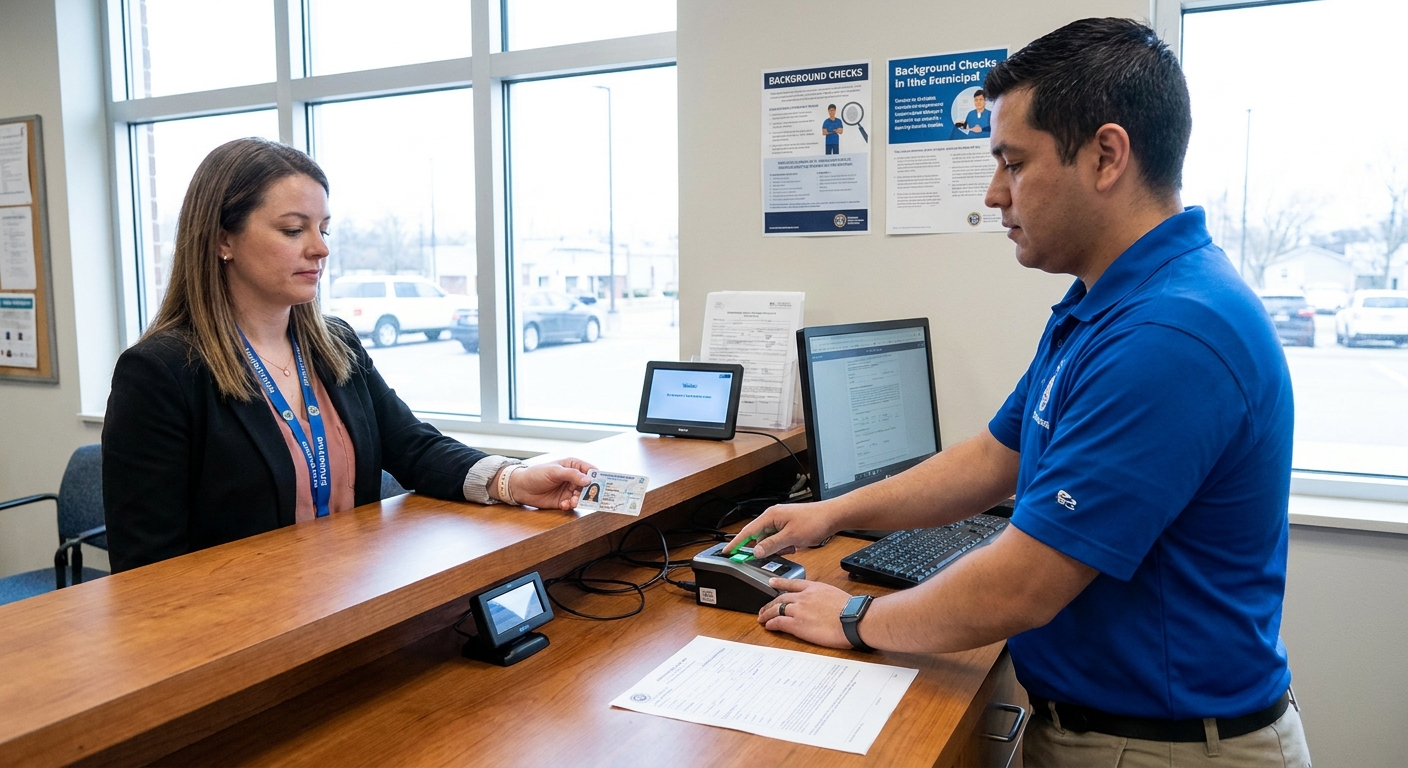
- Fingerprint-based check: Used for certain regulated roles (for example, schools, healthcare, licensing, or government work). These checks can be broader in scope, but they still depend on which systems are queried and how current and complete the underlying records are.
If you are unsure what is being run, ask. Most confusion clears up when you learn whether this is a county search, a fingerprint-based check, or a mix.
Criminal lookback: what can show up
Convictions
In many jurisdictions, convictions can remain visible on public record for a long time, sometimes indefinitely. Whether they appear on an employment background report can depend on:
- The state where the record exists and where the job is located
- The type of conviction (felony vs misdemeanor)
- Whether the record was sealed, expunged, or pardoned
- Whether the check is run through a consumer reporting agency subject to FCRA requirements
- Whether the role is regulated or safety-sensitive (for example, childcare, healthcare, financial access, security)
A simple example: someone with a decade-old misdemeanor may never see it raised in a standard office hiring process, but the same record can become front-and-center for a role tied to licensing, controlled substances, or vulnerable populations.
Arrests, charges, and other non-convictions
Non-conviction information often has more restrictions. Some states limit reporting of arrests that did not lead to conviction, older dismissed cases, or certain diversion outcomes. Even when a record exists, the employer may have policies on what they consider relevant.
Pending cases
Pending charges can appear because they are current public record. Some employers will pause a decision until the case resolves, especially in regulated or safety-sensitive roles.

Employment history: how far back
Employment verification is usually more practical than legal. Employers and screening companies tend to verify:
- Your most recent roles, often focusing on recent work history rather than your entire timeline
- Roles relevant to the position (even if older)
- Any job you list if the employer’s process is list-driven, meaning they verify what you provided rather than searching for every job you ever held
Two things commonly shape how far back they go:
- Industry expectations: Finance, healthcare, government contracting, and jobs involving vulnerable populations may verify more thoroughly.
- Data availability: Older employers may have merged, closed, or purged records. If a company cannot verify directly, the screener might request W-2s, pay stubs, or tax transcripts as alternatives.
Practical example: a retail role may verify your last couple of employers and move on. A school district or hospital system may verify more, then add fingerprinting or licensing checks that pull in different data entirely.
Education lookback: not really a window
Education checks are usually about verification rather than time windows. A screening company might confirm:
- School attended
- Degree or credential earned
- Major (sometimes)
- Dates of attendance or graduation
Because a degree is a historical credential, there is rarely a practical lookback cap. If you earned it 20 years ago, it can still be verified. The more common issue is name changes or records held by third-party clearinghouses, which can slow things down.
Credit checks: what the timeline looks like
First, credit checks for employment are not allowed everywhere, and even where they are allowed, some states restrict them to certain roles.
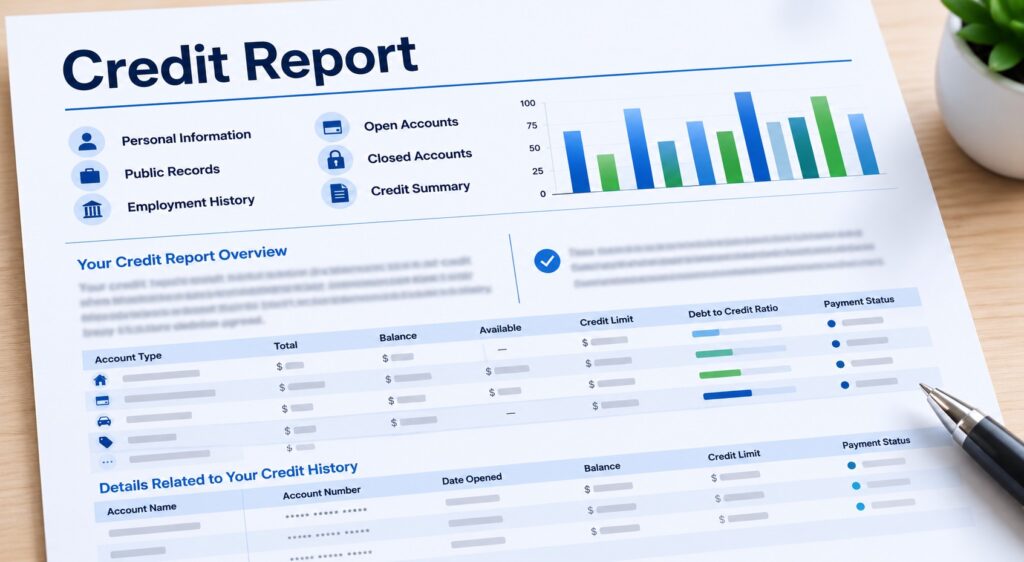
When an employer does run a credit-based background check, they usually receive a version of a credit report tailored for employment. Typical credit reporting timelines often look like this:
- Many negative items: commonly up to about 7 years
- Bankruptcies: can remain longer depending on the type
- Good standing accounts: may be visible for longer as part of your credit history
Also important: an employment credit report is usually about patterns and risk. It typically does not show your bank balance or a list of purchases. Depending on the provider, product, and state rules, it may not include a credit score, and it often omits or masks full account numbers.
Driving record lookback (MVR)
If driving is part of the job, a motor vehicle record check is common. Many employers look at the last 3 to 7 years of violations and accidents, but state DMVs keep different items for different lengths of time.
Serious violations (like DUI-related offenses) can stay on the record longer in many states, sometimes 10 years or more. Commercial driving roles can also involve stricter standards and additional checks.

Laws that change the lookback
This is where things get folded into finer creases. Three rule sets often matter:
1) FCRA basics
The FCRA governs how consumer reporting agencies collect, report, and share background information for employment purposes. It also gives you rights like:
- Disclosure and authorization: the employer must typically notify you and get your written permission before ordering a report from a consumer reporting agency.
- Pre-adverse action process: if the employer may make a negative decision based on the report, you generally must receive a copy of the report and a summary of rights first, with a reasonable opportunity to respond or dispute. Timing is not a single fixed number of days and can vary by employer policy. Many employers use around five business days as a rule of thumb, but that is a policy choice, not a universal requirement.
- Dispute rights: you can challenge inaccurate or incomplete information with the reporting agency.
2) State lookback limits and fair chance rules
Some states limit reporting or consideration of certain older records, especially non-convictions. “Ban the box” and other fair chance laws also affect when employers can ask about criminal history, even if they can still check later in the process.
Some jurisdictions also push toward an individualized assessment, meaning the employer should consider factors like relevance to the job and time since the event, rather than using a blanket rule. Employers may also look to broader guidance that hiring decisions should be job-related and consistent with business necessity.
Because these laws differ by state and sometimes by city or county, the same employer may follow different rules depending on where the job is located.
3) Role-based exceptions
Some restrictions have exceptions for:
- Regulated roles and professional licensing
- Healthcare, childcare, eldercare, and other roles involving vulnerable populations
- Government roles, security clearances, or positions with statutory screening requirements
- Positions with significant access to money (in some settings)
This is one reason two applicants in the same state can have very different experiences with how far back a background check “goes.”
How to find the rule for you
Here is the most reliable way to figure out your real lookback, without guessing:
- Read the authorization form you are asked to sign. It may name the screening company and describe the categories being checked.
- Ask the employer or recruiter what searches are being run. A simple question works: “Is this a county criminal search, a statewide repository search, a federal court search, fingerprinting, credit, MVR, or all of the above?”
- Pin down where the job is based and where you have lived. State and local laws may apply based on job location, and records may be pulled from jurisdictions where you lived, worked, or studied.
- Review your state and local fair chance rules. State labor websites and city government sites often summarize them.
- If you get a pre-adverse action notice, read everything and respond quickly. That is the moment you are typically given the report and a chance to dispute inaccuracies before a final decision.
If you are not sure which law applies, consider contacting a local employment attorney or legal aid organization for guidance. This article is informational, not legal advice, and details matter.
If something old shows up
An old record appearing is not the same thing as an automatic rejection. If you are concerned about what might surface, a few practical steps can help:
- Review your own records: You can request records from relevant courts or agencies and check for errors.
- Check for sealing or expungement eligibility: Many states allow certain records to be sealed or expunged after a waiting period.
- Prepare context, not excuses: If you anticipate a concern, be ready to explain what changed and how you have built reliability since then.
- Dispute mistakes quickly: Mixed files and reporting errors happen. If you receive a pre-adverse action notice, follow the instructions and timelines provided by the employer and reporting agency.
FAQ
Do background checks go back 10 years?
They can. Employment verification often emphasizes recent history, but some employers request a longer scope for certain roles. For criminal records, some convictions may be visible beyond 10 years depending on the state, record type, and whether the record has been sealed or expunged.
Do background checks go back 7 years everywhere?
No. “Seven years” is a common convention, but it is not universal. State laws vary, different record types have different timelines, and criminal convictions are often reportable beyond seven years.
Can an employer see sealed or expunged records?
Often, sealed or expunged records are not supposed to appear on standard employment background reports. But the effect of sealing or expungement varies widely by state, and certain employers or roles (such as some government, law enforcement, schools, healthcare, or licensing settings) may have broader access under specific laws. If an expunged or sealed item appears and you believe it should not, you may be able to dispute it with the reporting agency.
Will a background check show jobs I did not list?
Usually, employment verification focuses on employers you list. Some employers use additional tools (like payroll databases or resume cross-checking), but it is not guaranteed, and coverage varies widely.
How far back do federal background checks go?
“Federal” can mean different things. A federal court search checks certain federal court records and does not automatically cover state or county cases. A fingerprint-based check is a different type of screening that is common in regulated roles and may pull from broader systems. The time scope depends on what is requested and what is reportable under applicable laws.
The fold to remember
If you remember one thing, make it this: a background check does not have one single lookback period. It has categories, and each category has its own typical window, legal limits, and role-based exceptions.
When you know what type of search is being run and what laws apply where the job is located, the timeline becomes much less mysterious and a lot more manageable.