My first “real” first day came with a knot in my stomach and a notepad full of questions I was almost too embarrassed to ask. I grew up in a working-class family where new environments could feel like you were expected to already know the rules. After years in admissions and recruiting, I can tell you something with confidence: even the most put-together professionals have first-day nerves. The goal is not to be perfect. The goal is to be prepared enough that you can be present.
This guide covers first-day logistics: when to arrive, what to bring, who you’ll likely meet, and which questions to save for your manager. If you do a few small things ahead of time, you will walk in feeling steady and capable.

Confirm the basics the day before
If you received a calendar invite and a start-date email, you may feel like you should not need to ask anything else. You can, and you should. A quick confirmation message reduces confusion and prevents first-day surprises.
What to confirm (and why it matters)
- Start time and arrival expectation: Ask what time to arrive and whether you should plan to be there early for badges or paperwork.
- Exact location: Confirm the building address, suite number, and which entrance to use (especially in downtown areas and medical campuses).
- Parking or transit: Ask where employees park, if you need a permit, and whether there is a recommended lot or garage.
- Dress code: “Business casual” can mean ten different things. Ask what is typical for your team on a normal day.
- Who to ask for: Get the name of the person you should check in with at the front desk or reception.
- First-day agenda: Even a rough outline helps you plan meals, childcare pickups, and energy.
A simple confirmation message
Keep it short and practical:
Hi Sarah, I’m looking forward to Monday. Just confirming: should I plan to arrive at 8:30 a.m., and is the best entrance the main lobby on Pine Street? Also, is business casual typical for the team? Thanks again. I’m excited to get started.
Note: If your workplace is formal, mirror their tone. If they are more casual, you can be warm and brief. Either way, clarity is the win.
Plan your arrival time like a professional
The biggest first-day stressor I hear about is timing. When you are new, you do not know the parking flow, elevator delays, security lines, or how long it takes to find the right floor.
When to arrive
- Aim to be on-site 15 to 20 minutes early. That gives you buffer time without awkwardly showing up an hour early.
- Plan to enter the building 10 minutes early. Use the first few minutes to breathe, check your appearance, silence notifications, and review names.
- If you are remote: Log on 10 minutes early to test Wi-Fi, audio, and any required logins. Keep your phone nearby as a backup hotspot if you have one.
Do a practice run if you can
If the job is in-person and the location is unfamiliar, do a quick practice drive or transit run at roughly the same time of day. It is one of the simplest ways to reduce morning anxiety.

What to bring on your first day
You do not need to carry your whole life into the office. You just need the essentials that help you communicate, take notes, and handle the most common first-day tasks comfortably.
First-day must-haves
- Photo ID (driver’s license, state ID, or passport) in your wallet or bag
- A notebook and pen you genuinely like using
- Your phone and charger (and a portable battery if you have one)
- A water bottle and any medication you might need
- Lunch plan (either a packed lunch or enough money to buy lunch if the team goes out)
- Any info you want handy (start email, building address, manager contact, parking instructions)
Nice-to-haves
- A light layer like a cardigan or zip-up, offices run cold
- Mints (especially if you drink coffee)
- A small snack for long onboarding sessions
- Glasses case or anything you routinely misplace
A quick note from my recruiting years: showing up with a notebook and taking notes consistently reads as professionalism. It is not about being old-school. It is about being coachable.
What to wear
If you are unsure, err slightly more polished on day one and adjust after you observe your team. Looking a touch more professional is rarely a problem. Looking dramatically underdressed can feel uncomfortable all day.
Simple outfit rules
- Choose comfort you can focus in. If you tug at it or it pinches, it will distract you.
- Keep accessories minimal. You want your introduction to be about you, not your noisy bracelet.
- Wear shoes you can walk in. You may be touring the building, meeting people across departments, or walking to lunch.
- Have a backup option ready. Set out a second top or second shirt in case of spills or pet hair.
If this is a hands-on role, healthcare setting, lab environment, warehouse, or any job with safety requirements, follow their guidance exactly. When in doubt, ask what is required before you arrive.
Who you will meet
First days often feel like a blur of names and friendly small talk. Knowing who you are likely to meet helps you prepare mentally and take better notes.
Common introductions
- Your manager: Sets priorities, success expectations, and early projects. This is your key relationship.
- HR or People Operations: Handles onboarding steps, benefits enrollment timelines, policies, and general support.
- Your direct team: The people you will work with regularly. You will start learning communication styles and team rhythms.
- Your buddy or mentor (if assigned): The “how things really work” guide, especially helpful for tools and unwritten norms.
- IT or tech support: Helps with logins, laptops, access badges, security tools, and troubleshooting.
- Cross-functional partners: People in other departments you will collaborate with (nursing leaders, product managers, finance, operations, etc.).
A note-taking trick for names
In your notebook, use a simple format: Name + role + one personal detail (for example: “Jordan, payroll, likes hiking”). It helps you remember people and makes follow-up conversations easier.

Your first-day goals
Many high-achievers show up hoping to prove they belong immediately. I get it. But the best first-day performance is calm, curious, and consistent.
Three goals
- Understand the schedule: What does a normal day look like for your role and your team?
- Get access: Logins, tools, email, messaging apps, timesheets, and any internal portals.
- Build trust: Be on time, be kind, take notes, and follow through on small commitments.
If you accomplish those three things, you had a strong first day.
Smart questions to ask
Questions show you are engaged, not unprepared. The key is asking the right questions to the right person. Some questions are perfect for HR or IT. Others should be saved for your manager so you get clear expectations directly from the decision-maker.
Ask HR or onboarding staff
- Where do I find the employee handbook and key policies?
- What are the important benefits deadlines I should know about?
- Who do I contact for payroll or timesheet issues?
- What is the process for requesting time off?
Ask IT or tech support
- What tools are essential for my role, and which ones are optional?
- Is there multi-factor authentication, and what is the preferred method?
- Who do I contact if I get locked out of my account?
- Are there security rules for personal devices or working from home?
Save these for your manager
Your manager is the best person to clarify priorities, performance, and how to be successful on this specific team.
- What would you like me to focus on in my first week?
- What does doing well look like in the first 30 days?
- How do you prefer updates? (email, chat, brief daily check-ins, weekly one-on-ones)
- What are the most important meetings I should attend?
- Are there any common mistakes new hires make here that I should avoid?
- Who are the key people I should build relationships with early?
Questions to avoid (or ask carefully)
- Vacation timing details if it is not urgent. It is okay to ask about the process, but save “Can I take two weeks off next month?” for later unless you already disclosed it.
- Big changes suggestions like “Here’s what you should fix.” Take time to learn the context first.
- Compensation comparisons with coworkers. If you have pay questions, keep them between you and HR.
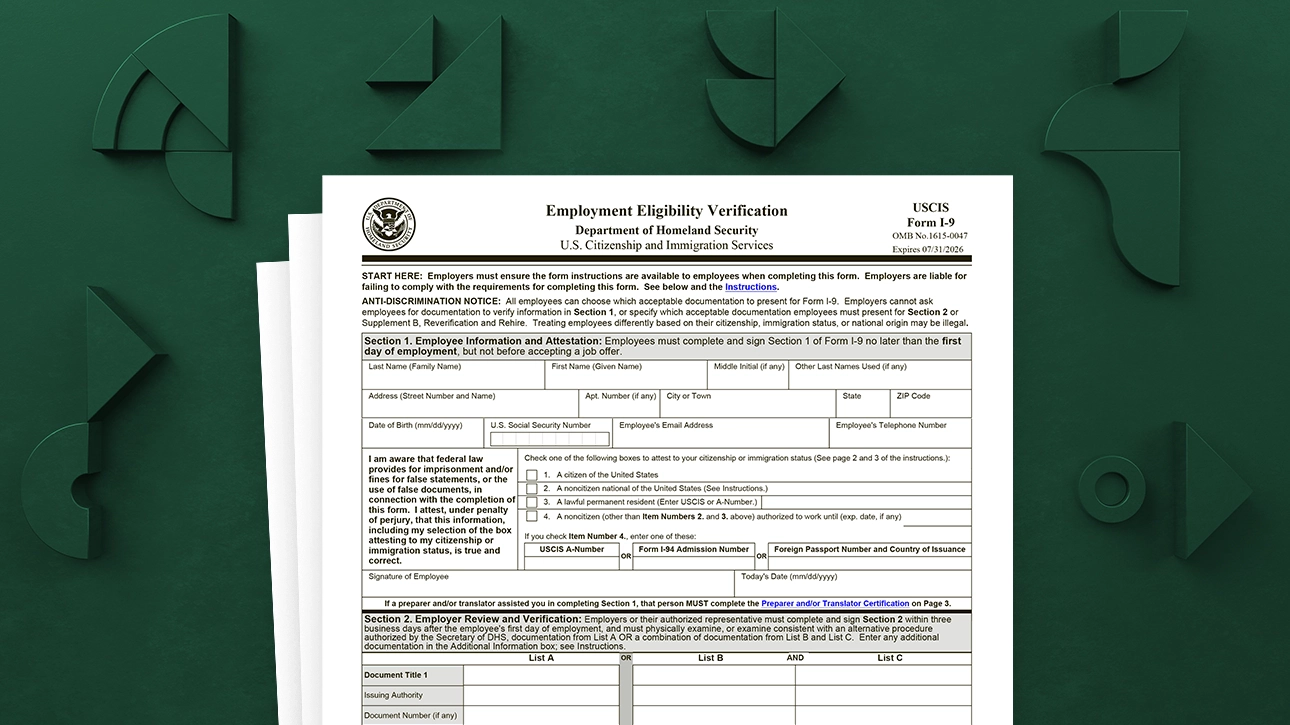
Paperwork and onboarding
Onboarding often comes in waves: forms, policies, trainings, and system access. You do not need to memorize everything immediately.
A simple system
- Create a running list: “Logins to request,” “People to meet,” and “Questions for manager.”
- Bookmark key links: HR portal, timekeeping, org chart, and help desk.
- Take screenshots of steps if you are remote and allowed to do so for non-sensitive instructions.
- Ask for repetition: “Can you show me that one more time?” is completely normal.
If you are coming from the military or another highly structured environment, the lack of a clear checklist can feel frustrating. That is not you being difficult. It is you noticing a gap. Build your own list as you go and you will feel more in control by day two.
If your first day is remote
Remote first days can feel strangely quiet. You may not get the natural tap-on-the-shoulder help that happens in an office. Preparation matters even more.
Remote checklist
- Set up your workspace the night before (charger, water, headphones, notepad)
- Test your camera and audio and download any required apps
- Join meetings 2 to 3 minutes early to avoid the flustered scramble
- Keep your calendar visible and confirm time zones
- Introduce yourself in team chat if appropriate (one or two sentences is enough)
One more tip from hiring for telecommuting roles: if you are remote, over-communicating slightly in week one is usually helpful. A quick “Just finished X, moving to Y next” message can build trust fast.

Common curveballs
Even well-run organizations have hiccups. The difference between a stressful first day and a manageable one is how you respond.
You do not have system access yet
Do: Ask who owns the request, and what the timeline is. Take notes. Offer to read policies or trainings you can access in the meantime.
Say: “No problem. What can I work through while access is being set up?”
Your manager is in back-to-back meetings
Do: Meet the team, review onboarding materials, and schedule a dedicated check-in for later that day or the next morning.
Say: “I’d love 15 minutes today or tomorrow to confirm priorities for my first week. What time works best?”
You cannot remember names
Do: Ask again cheerfully. People would rather repeat their name than be avoided.
Say: “I’m sorry, can you remind me of your name one more time?”
You feel awkward at lunch
Do: Keep it simple. Ask a few easy questions about the team and workflow. You do not have to perform.
Ask: “How long have you been on the team?” or “What does a busy season look like here?”
End-of-day wrap-up
The last 10 minutes of day one can set you up for a much smoother day two.
Before you log off or leave
- Write down key names and roles while they are fresh
- List what you were promised (badge access, software, training links) and who owns it
- Confirm tomorrow’s start time and first meeting
- Send one short thank-you message if someone spent significant time helping you
A simple note like “Thanks for walking me through the workflow today. I appreciate it and I’m excited to jump in” goes a long way.
First-day checklist
- Confirm start time, location, parking, and dress code
- Set out clothes, shoes, and a backup top
- Charge phone, laptop, and portable battery
- Bring notebook, pen, charger, water, and lunch plan
- Arrive 15 to 20 minutes early (or log in 10 minutes early if remote)
- Take notes on names, tools, and next steps
- Ask your manager about first-week priorities and preferred communication
- End the day by writing a short plan for day two
FAQ
Should I bring my resume or portfolio on my first day?
Usually, no. If your role is creative or sales and you were specifically asked to bring work samples or a portfolio, bring it. Otherwise, focus on essentials and note-taking.
Is it okay to ask about expectations right away?
Yes. In fact, it is one of the best things you can do. Keep it framed around priorities and how success is measured in the first week and first month.
What if I realize the job is not what I expected?
Give yourself a little time to adjust before you panic. First days can feel disorienting. Take notes on what feels off, ask clarifying questions, and try to separate onboarding chaos from the actual role. If concerns are serious or ethical, document specifics and consider talking with your manager or HR.