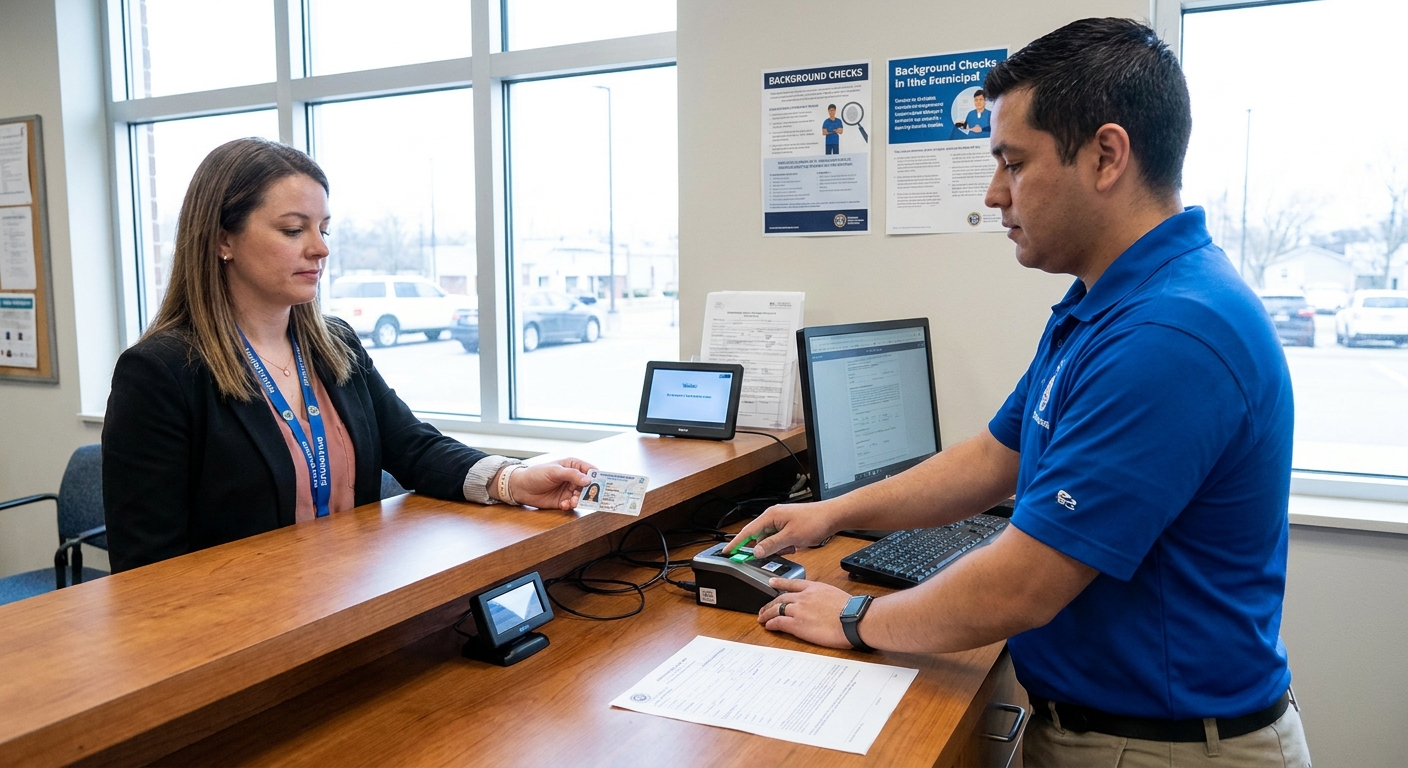
A crisp fold and a fresh perspective.
If you are job hunting, it can feel like background checks show up at random. In reality, they tend to cluster around a few big themes: working with kids or vulnerable adults, handling money or sensitive data, holding a license, entering secure facilities, or representing the public in a position of trust.
Think of it like paperwork: most roles do not require the same “folds,” but employers in higher-risk settings want the details to line up before you start.
Below is where screening is most common, where it is often required by law, and where it varies by employer and location.

Quick rule of thumb
Background checks are most likely when a role involves:
- Kids, patients, seniors, or people with disabilities
- Money, payments, accounting, or access to financial accounts
- Driving people or cargo, or operating heavy equipment
- Security, law enforcement, firearms, or secure sites
- Sensitive data like health records, banking data, student records, or government information
- Licensing or regulated professional standards
Even when a background check is not legally required, many employers still do one as part of risk management, insurance requirements, or client contract rules.
What a background check can include
What is included depends on the job, the employer, and local law. Common pieces include:
- Identity checks (and, in some places, an address history or identifier trace used to help locate records)
- Criminal history searches (often at the county, state, or national level, depending on what is available)
- Employment and education verification
- Professional license verification for regulated roles
- Motor vehicle record (MVR) checks for driving jobs
- Credit-related information in certain finance or fiduciary roles, where permitted and job-relevant
- Reference checks and, for some roles, fingerprinting
Timing varies, but many employers run checks after a conditional offer. Delays are common when records must be pulled from multiple jurisdictions, when names or dates of birth do not match cleanly, or when verification requires responses from past schools or employers.
Your rights and what varies
Screening rules are local. What an employer can ask for, what a report can include, and how results can be used all vary by country and sometimes by state or city.
One near-universal theme: reputable employers should be transparent. Many jurisdictions require some form of disclosure and consent before certain third-party checks, and some require steps (like a notice) if an employer might take adverse action based on a report. Also, a record is not always an automatic no. Many employers consider relevance to the role, recency, and evidence of rehabilitation, and some places limit how far back certain records can be considered.
Jobs where checks are often required
Requirements vary by country, state, and role. But the industries below commonly have legal or regulatory screening rules, and employers often treat checks as a condition of hire.
Education and youth programs
If you work around minors, expect screening in many regions. Schools, districts, and youth organizations often have required vetting for staff and sometimes volunteers, though the exact rules and depth of screening vary widely.
Roles often screened
- K-12 teachers, substitute teachers, paraeducators
- School administrators and office staff with student access
- School bus drivers and transportation aides
- Coaches, after-school program staff, tutors contracted through schools
- Day camp staff, youth group leaders, sports league staff
Depending on the role and what is available locally, checks may include criminal history searches and registry checks used for safeguarding. Some districts also verify identity, prior employment, and credentials.

Childcare and in-home caregiving
Childcare centers, preschools, and many nanny or au pair placements rely on background checks because the work may involve unsupervised access to children and private homes.
Common roles
- Daycare and preschool teachers
- Childcare assistants and float staff
- Nannies and babysitters hired through an agency
- Au pairs or live-in childcare
- Foster care, adoption, and group home roles
In many places, licensed childcare settings must follow specific screening rules for anyone with regular access to children, including some contractors.
Healthcare and behavioral health
Healthcare employers are typically strict because employees may access controlled substances, patient records, and vulnerable patients.
Roles often screened
- Nurses, physicians, CNAs, home health aides
- Medical assistants, phlebotomists, imaging techs
- Mental health counselors, therapists, social workers
- Hospice staff, assisted living and nursing home staff
- Medical billing and coding roles with patient data access
Healthcare background checks often pair with license verification and may include drug testing where lawful, role-relevant, and part of employer policy (including any union or contract rules).

Finance, banking, and accounting
When a job involves money movement, financial advice, or access to accounts, employers often screen. In some roles, background checks connect to regulatory requirements.
Roles often screened
- Bank tellers, loan officers, mortgage processors
- Accountants, auditors, bookkeepers
- Financial analysts, investment roles, brokerage support
- Insurance roles handling claims, payouts, or sensitive customer data
- Payroll and accounts payable or receivable positions
Employers may look at criminal history, identity verification, and sometimes credit-related information where permitted. Credit checks are restricted in many jurisdictions and are often allowed only for specific, job-relevant roles.
Government and public sector jobs
Government roles often require screening because of public trust, access to sensitive information, or facility security rules. The depth of screening tends to increase with the sensitivity of the job.
Common examples
- Federal, state, and local government employees
- Court staff, probation support, clerks in sensitive offices
- Public works roles with access to critical infrastructure
- Positions requiring a security clearance or work in secure facilities
- Contractors working on government sites
Some roles involve more extensive vetting than a typical private-sector pre-employment check, especially when national security or protected data is involved.
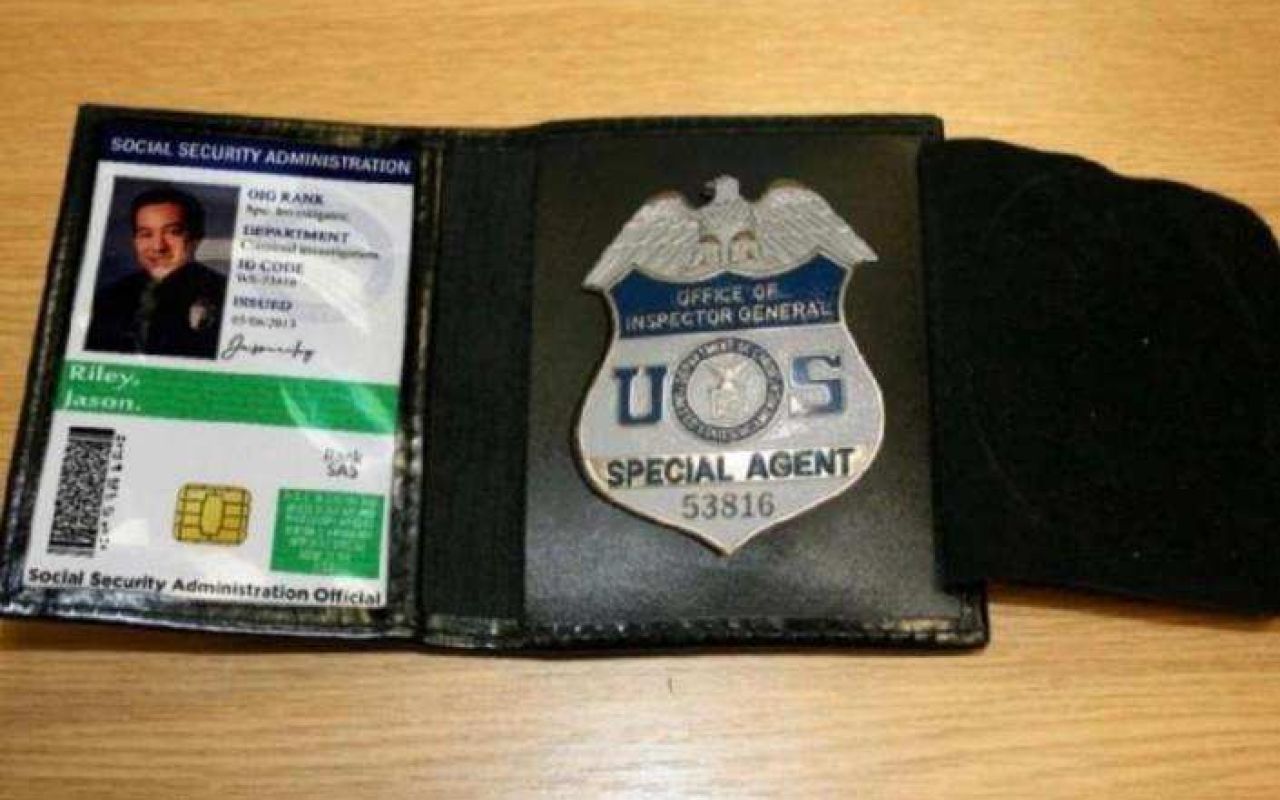
Driving and transportation
If the job puts you behind the wheel for work, you will often see some form of screening. Employers are protecting passengers, cargo, and liability exposure.
Roles often screened
- Commercial drivers (CDL roles), delivery and freight
- School bus drivers
- Medical transport and paratransit
- Ride-hailing and delivery platform drivers, depending on platform and location
- Valet, shuttle, and courier roles
Driving roles commonly include a motor vehicle record review. Some also include criminal history checks, drug testing, or periodic rescreening, depending on local law and employer policy.
Security, law enforcement, and roles with weapons
Security-sensitive jobs almost always involve screening because the work includes authority, physical access, or the ability to use force.
Roles often screened
- Police, corrections, dispatch, and other criminal justice roles
- Security guards, armed security, campus security
- Private investigation roles
- Roles requiring firearms permits or regulated access
These positions may include additional steps such as fingerprinting, psychological evaluations, polygraph examinations, or deeper reference checks, depending on the agency or employer.
Jobs where checks vary by employer
Some industries are not universally required to check, but many employers do anyway. If you see phrases like “must pass a background check” in the posting, treat it as a standard step.
Common examples
- Retail (especially cash handling, keyholder, loss prevention)
- Hospitality (especially roles with room access, night audit, cash)
- Warehousing and logistics (especially high-value inventory or secure sites)
- Construction (especially jobs on schools, hospitals, government sites)
- IT and cybersecurity (especially admin access to systems and sensitive data)
- Telecom and utilities (access to customer accounts or critical infrastructure)
- Legal services (paralegals, legal assistants handling sensitive documents)
In these fields, screening is often driven by insurance, client contracts, or internal policy rather than a single across-the-board legal rule.
Volunteer roles: checks are common
Volunteering is not a free pass. Organizations have a duty of care, and many screen volunteers who interact with vulnerable groups or handle money.
Volunteer roles that often trigger screening
- Coaching youth sports or mentoring programs
- Volunteering in schools, field trips, or school events with student contact
- Hospital, hospice, or nursing home volunteering
- Community programs serving seniors or people with disabilities
- Volunteering that involves transporting people
- Volunteer treasurer or finance roles for nonprofits
Some organizations use the same vendor checks as employers. Others use lighter screenings. Either way, expect to provide identifying information and consent.

Gig work and contractor roles
Gig platforms and contract clients often screen because you may enter homes, drive people or deliver items, or represent a brand without direct supervision.
Gig contexts where checks are common
- Ride-hailing and delivery platforms (drivers and couriers)
- Home services (cleaning, handyman work, furniture assembly)
- Pet sitting and dog walking
- In-home caregiving arranged through a marketplace
- Freelance roles with access to customer data (virtual assistant, bookkeeping)
Important nuance: some platforms run checks at sign-up, some do periodic rescreens, and some leave screening to the customer or agency. Always read the platform’s safety and onboarding policies before you rely on a start date.
Internships, temp jobs, and promotions
Background checks are not only for full-time hires.
- Internships may require checks if you are in a school, hospital, bank, lab, or government office.
- Temp roles often involve screening through the staffing agency, the client, or both.
- Internal transfers and promotions can trigger rescreening, especially for roles with increased access to cash, data, or facilities.
How to tell if a job will require a check
Job postings do not always say it clearly, but these clues usually mean screening is likely:
- The posting says “must pass a background check”, “pre-employment screening”, or “contingent on background check”.
- The role mentions working with children, patients, seniors, or in-home services.
- You will have keys, alarm codes, cash access, or admin access to systems.
- The employer mentions bonded, fiduciary, financial responsibility, or regulated environment.
- The job requires a professional license, security clearance, or driving record.
If you are unsure, it is fair to ask early: “Is employment contingent on any background screening, and if so, what kind?”
FAQ
Are background checks legally required for all jobs?
No. Many jobs have no legal requirement. Checks become common or required in regulated industries, roles involving vulnerable populations, and positions with access to money, sensitive data, or secure facilities.
Do entry-level jobs require background checks?
Some do, especially in healthcare, education, childcare, banking, and driving roles. Entry-level retail or hospitality checks vary widely by employer and location.
Do remote jobs require background checks?
Sometimes. If a remote job involves handling payments, accessing customer data, managing accounts, or working with health or student information, screening is common.
Will a volunteer background check be the same as an employment check?
Not always. Some organizations run a lighter screening focused on criminal history and registry checks. Others run a full pre-employment style check, particularly in schools and healthcare settings.
Can an employer run a background check without telling me?
Rules vary by location. In many places, employers must provide disclosures and get your consent before running certain third-party background checks. Read what you are asked to sign during hiring, and ask questions if anything is unclear.
A neatly folded next step
If you are applying in a field where checks are standard, treat it like any other part of your job prep: keep your job history consistent, know what name you have used on documents, and be ready to explain anything that might need context. The goal is not perfection. It is clarity.